Ardra Nakshatra in Bihar: A Living Confluence of Monsoon, Agriculture, and Folk Tradition
By Pt. Sanjeev Sharma
Cultural and scientific journey of Ardra Nakshatra through rice farming, rainfall and familial traditions
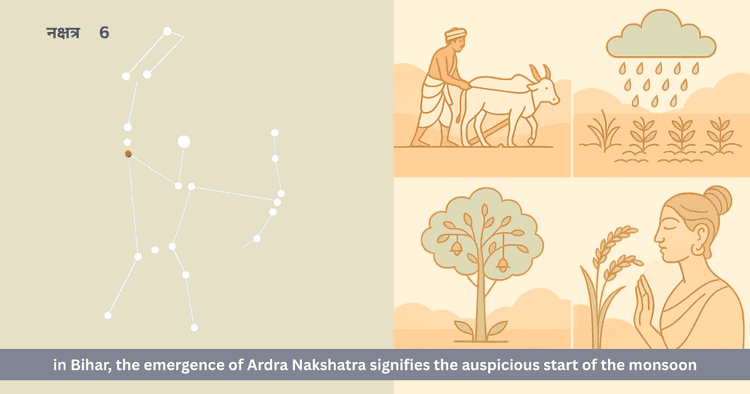
Table of Contents
Introduction
In Bihar, the arrival of Ardra Nakshatra (locally called “Adra”) represents a powerful convergence of agriculture, culture and monsoon. It is not merely an astronomical event but a symbol of the rainy season, rice transplantation, family celebrations and gratitude toward nature. Farmers and families wait for this period all year.
Ardra Nakshatra and the Beginning of Monsoon
Start of the Rainy Season
According to local belief, the rainy season begins when the Sun enters Ardra. Usually in late June or early July, the monsoon becomes active, bringing essential moisture to the soil.
Life in the Fields
The rains of Ardra bring the moisture required for Kharif crops, especially rice. Plants root well and grow stronger, leading to higher yields.
Agriculture and Traditional Practices
Rice Transplantation
Ardra is considered the most auspicious time for rice planting. Farmers enter the fields joyfully, singing traditional songs.
Blend of Science and Tradition
Agricultural experts agree that the temperature and rainfall during Ardra are ideal for rice growth, validating traditional farming practices.
Family and Cultural Celebrations
Kheer, Puri, Lentils and Mango
Homes prepare kheer, dal and puris. These dishes are offered to Indra and Shiva for blessings of prosperity and good rainfall.
Indra Worship
Special rituals are performed to invoke continuous rainfall and a successful agricultural season.
Folk Songs and Sayings
A popular song symbolizing hope and seasonal uncertainty is:
“Adra ke badra baris gaile aaju, inar barisihen kahiya”
Social and Emotional Importance
Community Bonding
Ardra fosters community unity through shared meals and rituals. It strengthens relationships and expresses gratitude to nature.
Festival of Agriculture
It is more than a farming season—it is a celebration of life, moisture, renewal and a harmonious relationship with nature.
Summary Table
| Tradition/Event | Meaning |
|---|---|
| Arrival of Ardra | Start of monsoon, moisture in soil |
| Rice transplanting | Best time for planting, high yield |
| Kheer, puri, mango | Family blessings, Indra worship |
| Folk songs, sayings | Farmers’ hopes, nature connection |
| Community events | Social unity, harmony of tradition and science |
Closing Insight
Ardra in Bihar reflects a remarkable union of monsoon patterns, agricultural wisdom, cultural emotion and spiritual gratitude. It teaches that where moisture exists, life flourishes. The water entering the fields nourishes not only crops but also the cultural heartbeat of the community.
FAQ
1. Why is Ardra Nakshatra important in Bihar?
Because it signals the start of monsoon and is the ideal time for rice transplantation.
2. Why are kheer and puri prepared on this day?
They are traditional offerings to Indra for timely and abundant rain.
3. Does Ardra really influence weather?
Both tradition and agricultural science observe significant rainfall patterns during this period.
4. Why is the day special for farmers?
It marks the official beginning of the agricultural season.
5. Is this tradition still followed today?
Yes, rural Bihar still celebrates Ardra with great devotion and enthusiasm.
What does Nakshatra reveal about me?
My NakshatraDid you like it?
Author

Pt. Sanjeev Sharma (63)
Experience: 20
Consults About: Family Planning, Career
Clients In: Punjab, Haryana, Delhi
Explore Related Articles
Explore All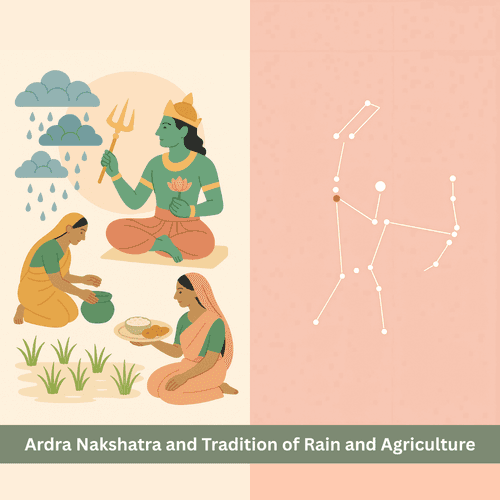
Ardra Nakshatra and the Tradition of Rain and Agriculture: The Divine Union of Life, Moisture and Nature
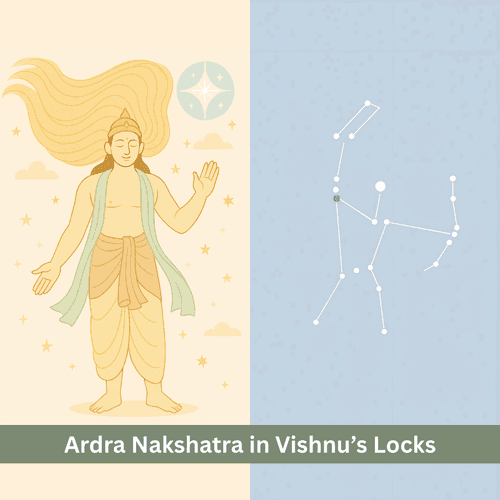
Ardra Nakshatra in Vishnu’s Locks: Vamana Purana Story and Symbolism
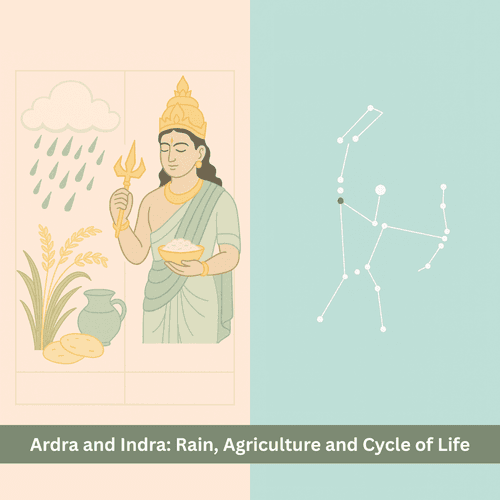
Ardra and Indra: The Vedic Secret of Rain, Agriculture and the Cycle of Life
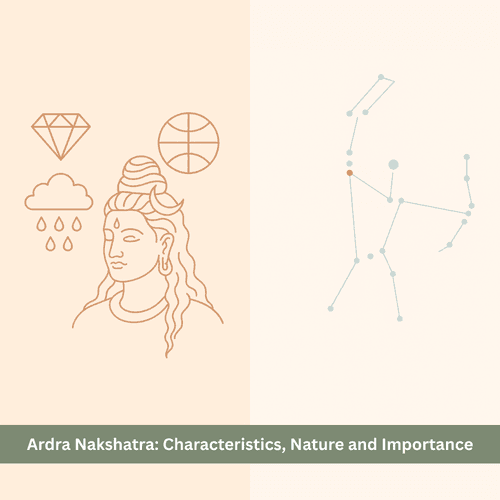
Ardra Nakshatra: Characteristics, Nature and Importance in Vedic Astrology
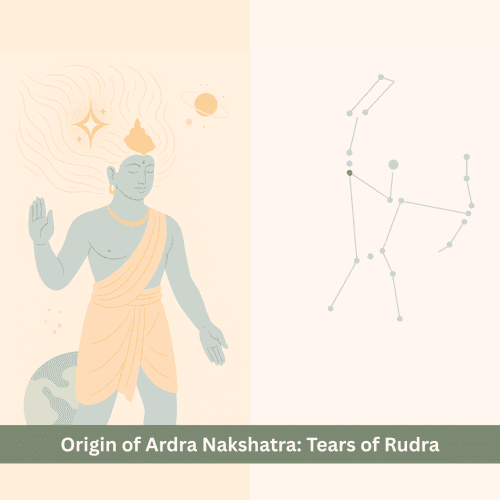
Tears of Rudra and the Origin of Ardra Nakshatra: A Vedic Tale
आर्द्रा नक्षत्र: लक्षण, स्वभाव और वैदिक ज्योतिष में महत्व
Share this article with friends and family
About ZODIAQ
ZODIAQ is an online Vedic Astrology platform. It connects clients seeking astrological advice to experienced astrologers with deep knowledge. Our users also generate kundali and perform kundali milan for free. ZODIAQ also offers services to the Astrologers. Astrologers utilize various offerings by ZODIAQ to serve their clients effectively.
If you are a User
Consult with experienced astrologers and seek their guidance. You can also order handwritten Janm Patrika report with life prediction prepared by experienced astrologers. Generate accurate Kundali, perform Kundali Matching and check horoscope and muhurat. Utilize our online library for all the necessary astrological and spiritual information.
If you are an Astrologer
Create accurate kundali for your clients and perform Kundali Matching for up to 5 people at a time. Write comprehensive Janm Patrika report for your clients with ZODIAQ. Check client details anytime by saving it in client directory. Become more productive by tracking how many clients you guide every day.
WELCOME TO
ZODIAQ
Right Decisions at the right time with ZODIAQ
