Powerful Remedies for Ashlesha Nakshatra and Inner Transformation
By Pt. Narendra Sharma
Remedies and Mantras for Ashlesha Nakshatra Bringing Mental Peace and Inner Strength
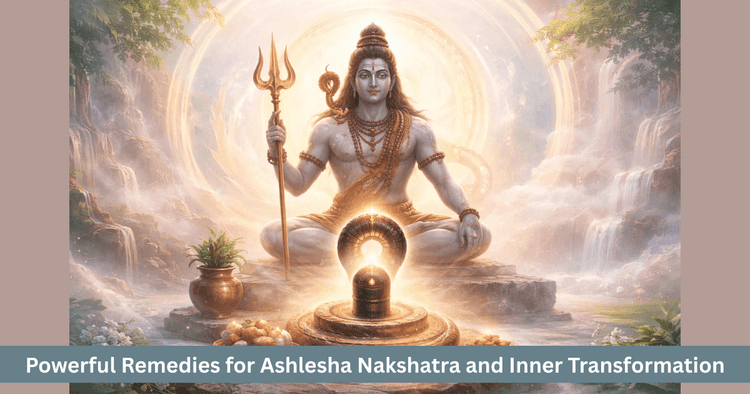
Table of Contents
Ashlesha Nakshatra is considered one of the most intense and deep lunar mansions in Vedic astrology. Its symbol is the serpent, which represents hidden energy, psychological depth, control tendencies, emotional attachment and complex karmic bonds. When Ashlesha is well balanced in a chart, it can grant strong insight, sharp perception and the capacity to stay inwardly powerful even in difficult circumstances.
When Ashlesha becomes afflicted through difficult combinations or life phases, it may show up as manipulation, fear, possessiveness, emotional toxicity, health disturbances or a restless inner state. That is why remedies for Ashlesha Nakshatra are designed to purify negative karmic ties, calm the nervous system, reduce hidden fears and transform destructive tendencies into spiritual strength. Because Ashlesha carries a serpentine and transformative charge, its remedies naturally revolve around Shiva tattva, mantra shakti and a sattvic way of living.
Why Is Mahamrityunjaya Mantra So Important for Ashlesha
For Ashlesha natives, chanting the Mahamrityunjaya Mantra is one of the most effective and deeply acting remedies. This mantra is closely linked with protection, healing, freedom from fear and release from karmic bondage, all of which speak directly to Ashlesha’s challenges.
Mahamrityunjaya Mantra and Its Meaning
The Mahamrityunjaya Mantra is as follows
Om Tryambakam Yajamahe Sugandhim Pushtivardhanam
Urvaarukamiva Bandhanaan Mrityor Mukshiya Maamritat
Its meaning is a prayer to three eyed Shiva, asking that just as a ripe fruit separates naturally from the vine, the soul may be freed from the bondage of death and limitations and move toward an immortal state of peace. This inner attitude gently loosens deep knots of fear, grief and stored bitterness that often operate in Ashlesha.
Inner Support through Regular Chanting
Regular chanting of Mahamrityunjaya Mantra gradually reduces hidden fear, anxiety about loss and the constant expectation of betrayal or sudden shock. It calms mental negativity and strengthens a subtle sense of safety from within.
This practice is especially supportive for Ashlesha natives who go through repeated emotional instability, unexplained anxiety or shifting health issues without clear medical reasons. With time, the mind becomes more stable, accepting and inwardly strong.
When and How to Chant the Mantra
For Ashlesha or on Mondays, chanting the Mahamrityunjaya Mantra at least 108 times is considered beneficial. A quiet place, steady posture and relaxed breathing help the mind stay present during the chanting.
If this discipline is maintained regularly, even for a short window of time each day, emotional cleansing, inner courage and deeper acceptance gradually grow. The intense energy of Ashlesha begins to move from fear toward awareness.
Mahamrityunjaya Practice Overview
| Point | Guideline | Expected Benefit |
|---|---|---|
| Mantra | Om Tryambakam Yajamahe Sugandhim Pushtivardhanam Urvaarukamiva Bandhanaan Mrityor Mukshiya Maamritat | Release from fear and bondage |
| Count | 108 repetitions daily | Mental stability and inner safety |
| Favorable days | Mondays or Ashlesha Nakshatra | Balancing Ashlesha intensity |
Is Shiva Worship Essential for Ashlesha Natives
For many Ashlesha natives, devotion to Lord Shiva becomes a natural anchor. Shiva embodies deep transformation, detachment and mastery over poisonous forces, symbolised by the serpent around his neck. This makes Shiva a very natural guide and protector for those born under Ashlesha.
Shiva Tattva and Serpentine Energy
When an Ashlesha native turns toward Shiva, inner patterns of anger, jealousy, manipulation and obsessive attachment begin to shift. Offering water, milk or bilva leaves to the Shiva Linga with the inner intention of releasing bitterness, resentment and fear can make the worship far more meaningful.
The image of Shiva in calm samadhi reminds Ashlesha that true power lies in inner stillness, not in holding tight control over every situation and person. This insight alone can soften many of Ashlesha’s compulsive patterns.
Simple Ways to Worship Shiva
Regularly offering clean water to a Shiva Linga, occasionally adding milk or bilva leaves and sitting for a few minutes in silence or simple japa nearby can work as a profound practice for Ashlesha natives.
Such worship slowly pushes old subconscious impressions and painful memories into the background. At the same time, it strengthens the understanding that releasing certain attachments brings far more protection than clinging to them ever could.
Shiva Worship Remedies Overview
| Practice | Purpose | Inner Effect |
|---|---|---|
| Water on Shiva Linga | Cooling mental heat and irritation | Peace and inner coolness |
| Milk and bilva leaves | Symbolic release of inner toxicity | Emotional purification |
| Silent sitting and Shiva focus | Learning surrender in place of control | Softening of ego and acceptance |
How to Balance Serpent Symbolism in Ashlesha
The serpent energy in Ashlesha is intense and active. Suppressing it usually increases inner turmoil. Respecting and balancing it is a wiser approach. For this reason, sacred offerings to serpent symbols are often suggested for Ashlesha natives.
Offering Ghee, Milk and Kheer to Serpent Forms
Offering ghee, milk and kheer to images, idols or symbolic representations of serpents becomes a soothing practice for Ashlesha. These offerings represent nourishment, peace and sweetness. They send a message to the inner serpent energy that it is being recognised and invited to rest in a calm, protective form.
The inner intention should not be fear based. It is better to approach with humility and gratitude, seeking balance, protection and inner calm rather than expecting only material gains.
Subtle Benefits of Honouring Serpent Energy
When an Ashlesha native gives respect to serpent symbolism, hidden inner energies also start to cooperate. Sudden outbursts of anger, sharp speech, jealousy and suffocating emotional pressure begin to soften.
Instead of running away from emotional intensity, the person gradually learns to observe and transform it. This is a key step in turning Ashlesha’s poison like experiences into a form of inner nectar.
Serpent Symbol Practice Summary
| Practice | Symbol | Benefit |
|---|---|---|
| Ghee and milk offerings | Feeding serpent energy | Reduced agitation and aggression |
| Kheer offering | Inviting sweetness and empathy | Emotional softness |
| Respectful salutation | Honour for snake power | Shift from fear toward balance |
Additional Spiritual Discipline for Ashlesha Nakshatra
Ashlesha operates strongly on the subconscious plane. That is why only external remedies are not sufficient. Inner discipline and honesty become equally necessary.
Self Discipline and Emotional Honesty
For Ashlesha natives, being truthful with themselves is crucial. They need to acknowledge patterns like jealousy, distrust, possessiveness or the urge to control others, instead of hiding them under spiritual or social labels.
Accepting that these tendencies exist and deciding to work on them gently becomes a serious spiritual choice. Once this decision is made, mantra practice, Shiva worship and serpent offerings begin to show deeper results.
Meditation, Breath Work and Mantra Sadhana
Regular meditation, conscious breathing practices and mantra repetition are especially helpful for Ashlesha. These calm the nervous system, slow the speed of thoughts and bring hidden patterns into awareness.
When Ashlesha natives learn to stay with the breath and watch the mind, they gain the ability to pause before reacting. That brief pause often becomes the doorway through which old subconscious habits begin to lose their grip.
Sattvic Living and Restraint
Avoiding intoxicants, keeping food pure, staying away from lies and deception and cultivating honesty in relationships greatly support Ashlesha remedies. This Nakshatra is both deep and sensitive, so falsehood and impurity can disturb it quickly.
As Ashlesha natives move toward sattvic food, gentle speech and transparent relationships, their inner serpent energy shifts from fear and control toward awareness, wisdom and protection.
Discipline and Sattva Overview
| Practice | Purpose | Outcome |
|---|---|---|
| Meditation and breath work | Bringing light to subconscious patterns | Awareness before reaction |
| Avoiding intoxicants | Protecting the nervous system | Mental steadiness |
| Truthful and clear communication | Purity in relationships | Emotional safety and trust |
Transformative Direction of Remedies for Ashlesha Nakshatra
Taken together, remedies for Ashlesha Nakshatra are not aimed at quick surface level relief. They are designed for inner transformation. Ashlesha energy does not truly settle until the person embraces sincerity, discipline and a genuine spiritual intent.
When Ashlesha natives commit to Mahamrityunjaya chanting, Shiva worship, respectful serpent offerings and a sattvic, honest lifestyle, deep knots gradually open. Energy that was once trapped in fear, suspicion, control and emotional bondage starts to turn into awareness, courage and spiritual insight.
Over time, Ashlesha teaches that real power does not come from controlling others. It comes from understanding and mastering oneself. Those who are willing to face their own fears and shadow patterns honestly can become emotionally aware, spiritually strong and quietly insightful under the guidance of Ashlesha Nakshatra.
Frequently Asked Questions
Is Mahamrityunjaya Mantra compulsory for every Ashlesha Nakshatra native?
It is not compulsory but it is highly beneficial. It offers special support to those who struggle with fear, health anxiety or repeated obstacles and inner heaviness.
For how long and in what way should Mahamrityunjaya be chanted daily?
A daily practice of at least 108 repetitions is a good starting point. Gradually increasing duration helps both the mind and nervous system become more steady and resilient.
Does Shiva worship demand very complex rituals for Ashlesha natives?
Not necessarily. Cleanliness, sincerity and a quiet heart matter most. Simple offerings of water, milk and bilva leaves with a few minutes of silence can become a powerful practice.
Are offerings to serpent symbols absolutely necessary for Ashlesha remedies to work?
No. Even if one focuses only on mantra, Shiva worship and sattvic living, benefits will appear. Serpent offerings are an additional way to build harmony with Ashlesha energy.
What is the single most important inner practice for someone born under Ashlesha?
The key practice is to recognise fear, jealousy and control tendencies honestly and to work on releasing them. Meditation, mantra and truthful living support this inner shift very strongly.
What does Nakshatra reveal about me?
My NakshatraDid you like it?
Author

Pt. Narendra Sharma (63)
Experience: 20
Consults About: Family Planning, Career
Clients In: Punjab, Haryana, Delhi
Share this article with friends and family
About ZODIAQ
ZODIAQ is an online Vedic Astrology platform. It connects clients seeking astrological advice to experienced astrologers with deep knowledge. Our users also generate kundali and perform kundali milan for free. ZODIAQ also offers services to the Astrologers. Astrologers utilize various offerings by ZODIAQ to serve their clients effectively.
If you are a User
Consult with experienced astrologers and seek their guidance. You can also order handwritten Janm Patrika report with life prediction prepared by experienced astrologers. Generate accurate Kundali, perform Kundali Matching and check horoscope and muhurat. Utilize our online library for all the necessary astrological and spiritual information.
If you are an Astrologer
Create accurate kundali for your clients and perform Kundali Matching for up to 5 people at a time. Write comprehensive Janm Patrika report for your clients with ZODIAQ. Check client details anytime by saving it in client directory. Become more productive by tracking how many clients you guide every day.
WELCOME TO
ZODIAQ
Right Decisions at the right time with ZODIAQ
