The Enormous Silk-Cotton Tree: Is Strength, Pride and Swati Nakshatra’s Synergy the Complete Lesson of Life?
By Pt. Amitabh Sharma
Silk-Cotton Tree in Mahabharata, Pride, Wind, Freedom, Legacy, Personal Virtues
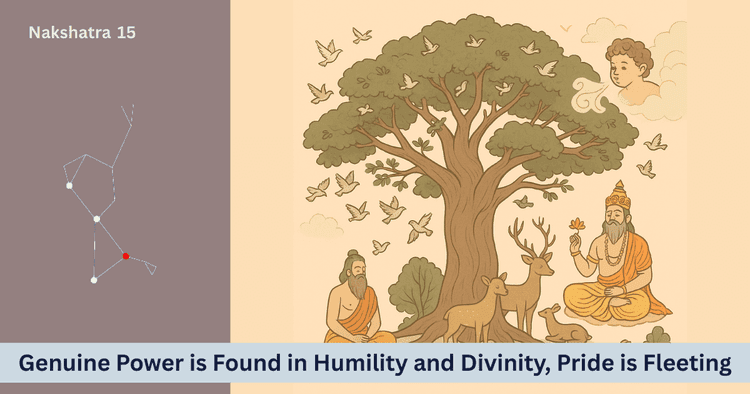
Table of Contents
Within the Shanti Parva of the Mahabharata, the towering silk-cotton (Śālmali) tree spreads its mighty branches at Himalayan heights. Its canopy was a divine center; birds nested, animals found sanctuary, sages performed fierce austerities and after cosmic creation, Lord Brahma himself rested beneath its shade, bestowing sanctity and grace. Such was its power that even the wildest winds could not shake its limbs.
The Glory of Śālmali: Did Narada’s Praise Give Birth to Arrogance?
On a stormy day, cosmic sage Narada took shelter under the tree and marveled,
"What strength-what greatness! Even Wind Lord Vayu, destroyer of worlds, cannot touch you."
These words became seeds of arrogance. The tree grew proud, mistaking the winds for servants and its supremacy as unmatched. It forgot that its true source of power lay not in strength but in the restraint of Vayu, who honored Brahma’s rest with subdued winds.
The Rising of Ego and the Tree’s Conceit
With Narada’s words, arrogance sprouted. Śālmali saw itself as supreme in endurance, majesty and beauty, its pride seeping deep into its core.
Vayu’s Retaliation: Is This the True Unveiling of Power’s Nature?
The boastful tree’s arrogance reached Wind Lord Vayu, who returned with full force to teach a bitter lesson. A cyclone made the sky blacken, lightning flashed, furious winds tore branches and leaves and the mighty Śālmali reeled, battered to its roots.
Universal Balance and the Limits of Strength
In the storm, countless birds, animals and sages lost shelter. The tree stood bare, humiliated, alive-with its beauty shattered and its physical might reduced but enlightened with profound humility and self-awareness.
The Tree’s Awakening: From Pride to Humility and Truth
After calamity, Śālmali reflected deeply. Genuine power is found in humility and divinity. Pride is fleeting; greatness is everlasting only through grace and harmony in nature. The breath of Vayu, spirit of the world, is the secret to strength.
The Balance of Might and Ego
The tree realized that Brahma’s rest was its glory and Vayu’s restraint its shield-its endurance was not its own but a gift of the cosmic order. Accepting this, the tree gained new vision and profound self-respect.
The Significance of Śālmali’s Myth for Swati Nakshatra
Under Vayu, Swati Nakshatra is renowned for autonomy, power, flexibility and adaptability. Yet, pride within these gifts risks inevitable downfall:
- Dangers of Arrogance: Swati natives possess independence, creativity and self-confidence; but unchecked intensity or feelings of superiority disrupt natural flow.
- Source of Power: Personal, intellectual or spiritual prowess is a divine offering-gratitude and humility propel further growth.
- The Dharma of Humility: True power lies in the ability to bow, communicate and honor the order of nature; pride leads only to fall. The story of the tree teaches that to rise, one must first learn to bend.
- Partnership within Freedom: Like wind, free-flowing autonomy finds celebration only in coexistence and cooperation. Isolation amplifies imbalance.
Swati’s Wisdom and the Wind-Gifted Balance
Swati’s elements-spreading, flexibility and easy union with Wind-echo the dispersion of Śālmali’s seeds. These gifts depend on Vayu’s blessing; the beauty of strength is found only in balanced movement. The real-life expansion of silk-cotton embodies shelter, sacred feminine energy and the enduring impact of shared consciousness.
Broad Vedic Perspective: Śālmali’s Spiritual and Social Importance
In Vedic literature, Śālmali’s shade opens doors to penance, meditation and creativity. Its seeds, blown far by the wind, are emblems of Swati’s vision-far-reaching thought, liberation and cosmic awareness. Natural power, arrogance, humility and universal interdependence are eternal lessons of its tale.
Is the Śālmali Parable Relevant to Modern Life's Competition and Freedom?
In today’s age of achievement and independence, the myth reminds us-growth is incomplete without discipline, gratitude and teamwork. Swati natives must realize that strength is found in humility, dialog and connection, not pride.
Individual Virtues: What Does Swati-Awareness Give?
- Practice gratitude: Regard strengths, ideas and achievements as gifts from divinity
- Embrace humility: Tie personal efforts to balance of nature and cosmic order
- Resist pride: Build healthy self-respect with flexibility and deference to others
- Foster coexistence: Channel freedom through relationships, collaboration and harmony
Conclusion: Is Strength and Freedom Incomplete Without Humility?
The tale of Śālmali and Vayu is an ageless lesson-especially for Swati souls. Strength is a divine gift, pride is dangerous and harmony springs from humility. The dance of wind’s motion and the tree’s shelter inspire a seeker toward balanced, free and radiant consciousness.
Frequently Asked Questions
What is the significance of Śālmali tree in Mahabharata?
Strength, shade, expansion, shelter and the story of humility’s triumph.
Does Vayu govern every force?
Yes; Vayu’s restraint kept the tree unassailable. When that restraint waned, pride was shattered.
What is the chief lesson for Swati natives?
Reject arrogance; embrace freedom with humility and connection.
What do cotton seeds symbolize?
Dispersal by wind-Swati’s dynamism, freedom and awareness.
Where does true power originate?
From divinity, nature’s grace and reverence for universal balance.
What does Nakshatra reveal about me?
My NakshatraDid you like it?
Author

Pt. Amitabh Sharma (56 Years)
Experience: 20
Consults About: Family Planning, Career
Clients In: Punjab, Haryana, Delhi
Share this article with friends and family
About ZODIAQ
ZODIAQ is an online Vedic Astrology platform. It connects clients seeking astrological advice to experienced astrologers with deep knowledge. Our users also generate kundali and perform kundali milan for free. ZODIAQ also offers services to the Astrologers. Astrologers utilize various offerings by ZODIAQ to serve their clients effectively.
If you are a User
Consult with experienced astrologers and seek their guidance. You can also order handwritten Janm Patrika report with life prediction prepared by experienced astrologers. Generate accurate Kundali, perform Kundali Matching and check horoscope and muhurat. Utilize our online library for all the necessary astrological and spiritual information.
If you are an Astrologer
Create accurate kundali for your clients and perform Kundali Matching for up to 5 people at a time. Write comprehensive Janm Patrika report for your clients with ZODIAQ. Check client details anytime by saving it in client directory. Become more productive by tracking how many clients you guide every day.
WELCOME TO
ZODIAQ
Right Decisions at the right time with ZODIAQ
