Jaya Ekadashi 2026: Date, Puja Muhurat, Parana Time and In-depth Spiritual Guidance
By Pt. Amitabh Sharma
Auspicious Muhurat, Rules, Remedies and Diet Guidance for Magh Jaya Ekadashi Vrat

Table of Contents
Jaya Ekadashi of the sacred Shukla Paksha of the month of Magh is considered a vrat that purifies mind and soul at a subtle level. This vrat is not only a one day fast. It offers an opportunity to lighten karmic bondage of many past lives. Those aspirants who observe Jaya Ekadashi vrat with complete faith, discipline and self control experience a calm, stable and balanced energy in life. In 2026 this vrat becomes especially significant as millions of devotees across India will celebrate it with devotion on the same date.
Jaya Ekadashi is considered a strong step on the path of moksha. Every moment of this day can become a time of sadhana for a sincere seeker. When the mind connects with the right feeling, even simple worship can give a very deep experience. Therefore it is important to correctly understand the timing, date, puja method and diet rules of this sacred Ekadashi.
Jaya Ekadashi 2026 Date, Ekadashi Start and Parana Time
In 2026 Jaya Ekadashi will fall on 29 January. This Ekadashi of Magh Shukla Paksha creates a special spiritual atmosphere throughout the day. The start and end times of the Ekadashi tithi are as follows.
Ekadashi Tithi Begins: 28 January 2026 at 4:35 PM
Ekadashi Tithi Ends: 29 January 2026 at 1:55 PM
This sequence of tithi is important because scriptures consider Ekadashi vrat mainly with reference to sunrise. Devotees who observe Ekadashi vrat regularly usually begin their preparation one day before. They are advised to calm the mind, keep food light and stay away from negative thoughts starting from Dashami itself.
Special Vishnu Puja Muhurat on Jaya Ekadashi 2026
Some specific times are considered especially auspicious for worship of Lord Vishnu on Jaya Ekadashi. Puja, japa and meditation performed during these muhurats are believed to bear greater fruit.
| Muhurat | Time |
|---|---|
| Morning Puja Muhurat | 7:11 AM to 8:32 AM |
| Second Auspicious Time | 11:14 AM to 1:55 PM |
Devotees who meditate on Lord Vishnu peacefully during these periods can feel deep inner silence. If possible family members may also come together during these times for bhajans or mantra chanting. This helps create a positive energy in the home.
Jaya Ekadashi 2026 Parana Muhurat
Completion of the vrat is actually considered through parana. Merely fasting is not sufficient. It is equally necessary to break the fast in a disciplined way at the right time.
Parana Date: 30 January 2026
Parana Time: 7:10 AM to 9:20 AM
According to scriptures breaking the fast within this prescribed window is considered auspicious. Delaying parana unnecessarily can reduce the effect of the vrat. Therefore aspirants should break the fast within this period with light and sattvic food. Some devotees first take water with tulsi leaves for parana and then take fruits or light food.
What is the Spiritual Significance of Jaya Ekadashi?
Jaya Ekadashi is described in scriptures as a highly meritorious vrat. It is believed that the person who observes this vrat with faith can become free from extremely painful births such as Pishach Yoni. This statement is not given only to create fear. It is meant to convey that this vrat helps a person come out of those negative tendencies that keep troubling the mind from within. When the mind becomes pure, heavy impressions of many lives begin to feel lighter.
According to sacred texts this vrat destroys sins and grants the devotee the fruit of experiencing heavenly pleasures for a thousand years. Here heaven does not only mean some invisible realm. One meaning is that the person receives such circumstances in life where peace, respect and contentment are more present. Jaya Ekadashi vrat softens the heart. Feelings such as anger, jealousy and hatred reduce. In their place compassion, patience and devotion become stronger.
Japa and meditation performed on this day awaken the divine potential hidden inside the aspirant. Many people experience that after observing Jaya Ekadashi vrat regularly for a few years the restlessness of mind reduces. Decision making power improves and the outlook towards life becomes clearer. From a spiritual perspective this Ekadashi is a day that balances mind, prana and intellect.
Does Jaya Ekadashi Support the Path of Moksha?
Jaya Ekadashi is counted among those Ekadashis that support the attainment of moksha. Moksha is not only leaving the body. It means slowly coming out of faulty habits, negative emotions and painful thought patterns. The rules of this vrat teach self discipline to the mind. When a person brings purity in food, behaviour and thoughts the layers of karma covering the soul gradually begin to thin out.
This vrat is considered especially helpful for those who repeatedly get trapped in mental stress, fear or guilt. Jaya Ekadashi gives such a seeker inner strength to learn to forgive oneself. When forgiveness arises within the experience of divine grace grows naturally. Such a person begins to find inspiration to rise again even in difficult circumstances of life.
How to Perform Special Puja Remedies on Jaya Ekadashi?
Some special remedies have been described for Jaya Ekadashi which give very auspicious results when done with the right feeling. Outer action alone is not sufficient. Deep prayer of the heart should be associated with every remedy.
Devotees are advised to recite Vishnu Sahasranama on Jaya Ekadashi with devotion. Aspirants who cannot recite the entire Sahasranama may chant a portion according to their capacity. The main factors are consistency and devotion. Sitting in a peaceful place and remembering the names of the Lord steadies the mind and reduces anxiety.
Another important remedy is to light a 14 faced diya and meditate on Lord Vishnu. This means lighting a lamp with fourteen wicks or lighting with remembrance of the fourteen directions. When the flame of the lamp becomes steady the mind also begins to settle. This practice is particularly useful for those who constantly worry about the future.
Offering help and charity to the needy is also considered extremely beneficial on Jaya Ekadashi. Charity is not limited only to money. Food, clothing, time or kind words, whatever is offered honestly becomes an act of charity. Such giving reduces ego and increases gratitude in the heart.
Remedies for Marital Harmony and Love Marriage
For those whose marital relations are strained or who are facing obstacles in love marriage there is a simple remedy on Jaya Ekadashi. Light a 14 faced lamp with devotion and pray to Lord Vishnu and Goddess Lakshmi for harmony in relationship. Sit quietly in front of the lamp for some time and send good wishes for one’s relationships. This is very healing at the mental level.
Along with this offer a sweet prepared from milk and saffron to Lord Vishnu on a peepal leaf. Pluck the leaf one day earlier with reverence and keep it safely in a clean place. It is believed that this remedy gradually helps remove unseen blocks in relationships. It can also bring relief in financial difficulties and emotional stress.
Daily Routine and Mental Preparation on Jaya Ekadashi
Not only the rituals of the vrat day matter. If the whole day is kept somewhat balanced the effect of Jaya Ekadashi can become deeper. Try to wake up around Brahma Muhurta in the early morning. As soon as you wake up, sit quietly for a few moments and remember Lord Vishnu. This starts the whole day with devotion.
After bath wear clean and light coloured clothes. If possible choose yellow or light white clothes. Clean the place of worship. Arrange lamps, incense, flowers and naivedya with simplicity. Stay away from lies, harsh speech and unnecessary arguments throughout the day. Perform work as needed but try not to let inner calmness break.
If possible, stay awake for some time at night. Spending part of the night in remembrance of the Lord through light bhajans, mantras or japa brings a different stability in the depth of the mind. If health does not permit then at least connect the mind with devotion while sleeping.
What to Eat and What to Avoid on Jaya Ekadashi?
Food is a very important part of Jaya Ekadashi vrat. Those who observe the vrat not only need to fast by rule but must also pay attention to the nature of food. The aspirant is advised to eat only once in the day. Even in this one meal it is important to maintain simplicity and sattvic quality.
Devotees may take fruits, dry fruits and vrat friendly preparations. Excessively fried or very spicy food can weaken the real purpose of the vrat. It is necessary to completely avoid grains. Any item prepared from wheat, rice and other grains should not be consumed. Common salt should also be avoided. Many people use rock salt during vrat.
Rice is especially prohibited on Jaya Ekadashi. Brinjal, radish, garlic, onion and lentils should also not be consumed. These are classified as tamasic and are not considered suitable for the subtle dietary discipline of Ekadashi. Sattvic food keeps the mind light and steady. Some aspirants also observe nirjala vrat in which they do not take even water throughout the day. This form should be adopted only by those whose health allows such austerity.
Jaya Ekadashi Vrat Rules, Discipline and Benefits
If Jaya Ekadashi vrat is performed with proper rules its effect does not remain limited to one day. Waking up before sunrise, taking bath, wearing clean clothes and meditating on Lord Vishnu are the basic foundations of this vrat. Light a lamp before Shaligram, an idol of Vishnu or any accepted form of Lord Vishnu in home or temple and offer sincere prayer.
Throughout the day try to observe silence as much as possible or at least avoid unnecessary talk. Words spoken in anger also increase the chain of sin. On this day keep mind, speech and body as restrained as possible. It is beneficial to stay awake for some part of the night or to spend longer time in japa, bhajans or listening to sacred stories.
Following the parana time is extremely important. The first intake of fruit or food should occur within the specified time. This completes the energy of the vrat in the right manner. Through Jaya Ekadashi vrat the seeker receives strength to move towards peace, prosperity and moksha. Gradually the experience of divine grace becomes clearer. This vrat reduces fear hidden in the depths of the mind and increases inner confidence.
Inner Balance Attained through Jaya Ekadashi
Jaya Ekadashi is not limited to external observance. Its greatest fruit is inner balance. For a person who feels repeatedly exhausted by circumstances of life this vrat can become a new beginning. The combination of disciplined food, regular japa, calm behaviour and attitude of service stabilises the mind.
Those aspirants who faithfully observe Jaya Ekadashi every year gradually notice that their ability to make decisions grows stronger. Anger and impatience decrease. Understanding in relationships increases. Even amidst financial challenges an inner assurance arises that the Lord will show the path. This assurance becomes the main support of the spiritual journey.
Common Questions Related to Jaya Ekadashi
When will Jaya Ekadashi 2026 be observed?
Jaya Ekadashi 2026 will be observed on the Ekadashi tithi of Magh Shukla Paksha on 29 January 2026. The Ekadashi tithi begins at 4:35 PM on 28 January and ends at 1:55 PM on 29 January.
What is the spiritual significance of Jaya Ekadashi?
This vrat is believed to free a person from painful births like Pishach Yoni. It destroys sins and grants the devotee heavenly happiness along with peace, divine fortune and spiritual growth in this life.
What are the puja muhurats for Jaya Ekadashi 2026?
The main morning puja muhurat will be from 7:11 AM to 8:32 AM. The second auspicious time will be from 11:14 AM to 1:55 PM. Worship, japa and meditation of Lord Vishnu during these periods are regarded as highly auspicious.
Which special remedies should be done on Jaya Ekadashi?
Recite Vishnu Sahasranama with devotion. Light a 14 faced lamp and meditate on Lord Vishnu. Give charity to the needy. For marital harmony and success in love marriage, offer a sweet prepared from milk and saffron on a peepal leaf and pray in front of the 14 faced lamp.
Which foods should be avoided and how should diet be kept on Jaya Ekadashi?
Do not consume grains, especially rice. Avoid common salt, brinjal, radish, garlic, onion and all types of lentils. Eat once a day with light, sattvic and vrat friendly food. Fruits and dry fruits are considered best. Some aspirants keep nirjala fast according to health capacity but this decision should be taken thoughtfully.
Get your accurate Kundali
Generate KundaliDid you like it?
Author
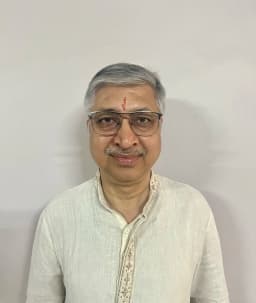
Pt. Amitabh Sharma (56 Years)
Experience: 20
Consults About: Family Planning, Career
Clients In: Punjab, Haryana, Delhi
Share this article with friends and family
About ZODIAQ
ZODIAQ is an online Vedic Astrology platform. It connects clients seeking astrological advice to experienced astrologers with deep knowledge. Our users also generate kundali and perform kundali milan for free. ZODIAQ also offers services to the Astrologers. Astrologers utilize various offerings by ZODIAQ to serve their clients effectively.
If you are a User
Consult with experienced astrologers and seek their guidance. You can also order handwritten Janm Patrika report with life prediction prepared by experienced astrologers. Generate accurate Kundali, perform Kundali Matching and check horoscope and muhurat. Utilize our online library for all the necessary astrological and spiritual information.
If you are an Astrologer
Create accurate kundali for your clients and perform Kundali Matching for up to 5 people at a time. Write comprehensive Janm Patrika report for your clients with ZODIAQ. Check client details anytime by saving it in client directory. Become more productive by tracking how many clients you guide every day.
WELCOME TO
ZODIAQ
Right Decisions at the right time with ZODIAQ
