Masik Janmashtami 2026: Krishna Vrat and Nishita Puja
By Pt. Amitabh Sharma
Masik Janmashtami 10 January 2026: Vrat, Nishita Muhurat, and Spiritual Significance

Table of Contents
Why The First Masik Janmashtami Of 2026 Is Special
The first Masik Janmashtami of 2026 will be observed in the month of Magha on the Krishna Paksha Ashtami Tithi. This sacred date falls on Saturday, 10 January 2026 and on this day devotees will observe the monthly Krishna Janmashtami fast. Worship of Lord Shri Krishna on Masik Janmashtami is believed to bring auspicious results, spiritual elevation and harmony in family life.
The Masik Janmashtami fast is kept every month on the Ashtami Tithi of Krishna Paksha, so it is not only a yearly festival but a recurring opportunity for regular spiritual practice. Since the Magha Ashtami of 2026 arrives near the beginning of the year, it becomes even more meaningful. Through the sankalpa taken on this day a devotee can direct the energy of the coming months in a positive way. For those who seek balance in family, career and inner peace this vrat is considered especially beneficial.
Date And Muhurat Of Masik Janmashtami On 10 January 2026
In Janmashtami observance, the lunar date and especially the Nishita Kala or midnight time, are of great importance. For the Magha month the Krishna Paksha Ashtami Tithi will begin on 10 January 2026 at 08:23 am and will end on 11 January 2026 at 10:20 am. Since the divine birth of Shri Krishna is associated with the midnight period, the main celebrations and fast will be linked to the night of 10 January.
The Nishita Kala is treated as the central time for Janmashtami worship. On this night the auspicious time for Shri Krishna puja will fall between 12:02 am and 12:55 am. Those who observe the fast are advised to perform a simple morning worship, take their sankalpa after that and then perform a fuller puja again during the Nishita Kala at night.
| Detail | Time And Date |
|---|---|
| Vrat Date | Saturday, 10 January 2026 |
| Lunar Month | Magha, Krishna Paksha |
| Ashtami Tithi Begins | 10 January 2026, 08:23 am |
| Ashtami Tithi Ends | 11 January 2026, 10:20 am |
| Main Observance | Night of 10 January |
| Nishita Kala Puja Muhurat | 12:02 am to 12:55 am |
With this outline devotees can plan the entire day and night smoothly. The morning worship lays the foundation of the vrat, while the Nishita Kala puja becomes the spiritual heart of the observance.
Spiritual Significance Of The Masik Janmashtami Vrat
Masik Janmashtami is not only a festive occasion, it is also a gentle but steady spiritual discipline. When month after month a devotee observes a Krishna Janmashtami fast and worships Lord Krishna, the vrat strengthens devotion, self control and inner order. Traditional belief holds that this vrat
- Enhances prosperity and happiness in the family
- Brings warmth and sweetness in relationships
- Supports gradual stability in finances and work
- Increases peace of mind and interest in spiritual life
The form of Lord Krishna is seen as a harmonious blend of playfulness, love, dharma and compassion. Worshipping Him on Masik Janmashtami can soften hardness in the heart and awaken a gentler, more loving approach to life. For many families this vrat becomes a shared practice when everyone joins together in bhajans, kirtan and simple puja.
How To Observe The Masik Janmashtami Vrat In 2026
The Janmashtami fast can be adapted according to one’s health and strength. What matters most is purity, sincerity and a focused mind. A simple pattern can be followed by most devotees.
After bathing in the morning and wearing clean clothes, one stands before the image of Shri Krishna and takes the vow of fasting. Many devotees avoid grains on this day and keep a fruit based fast. Some take water, fruits and light sattvic items only and those who are able may eat only after the Nishita Kala worship. Throughout the day it is helpful to maintain sattvic conduct, calm speech and a gentle attitude.
Reading verses from the Bhagavad Gita, repeating the name of Krishna and singing bhajans can keep the atmosphere uplifted. Gradually the mind begins to loosen its grip on daily worries and moves towards devotion, which prepares the heart for the deep experience of the midnight worship.
How To Plan The Daily Flow Of Masik Janmashtami
It is helpful to see the day in two parts
- Morning and daytime
- Night and Nishita Kala
Morning And Daytime
The day can begin with remembrance of Shri Krishna immediately on waking. After bathing the devotee can bathe the deity or respectfully sprinkle water on the image, offer fresh clothes or a cloth, sandal paste and flowers. A brief aarti may be sung. If possible some time can be kept for Shri Krishna mantra japa or silent remembrance. After this the sankalpa of the fast is taken and the devotee follows a restrained diet and gentle conduct for the rest of the day.
During the day, repeating the simple name “Krishna” or a short mantra inwardly at intervals helps to preserve the thread of devotion. In this way the mind remains connected even during regular work and the inner quiet does not break completely.
Night And Nishita Kala
Towards evening the home is cleaned and lamps are lit. If possible, special preparations may be made for bhoga such as kheer, puri, halwa butter with sugar or fruits according to capacity. Before the Nishita Kala one may bathe again or at least wash hands, feet and face and wear fresh clothes.
During the Nishita Kala, between 12:02 am and 12:55 am, the family gathers for the main Shri Krishna puja. The sound of conch, bell, kirtan and bhajan lifts the mood. Aarti, stuti and prayers are offered in this quiet night hour. After the puja, prasada is distributed and those on a fruit fast may take light food with reverence.
Step By Step Puja Vidhi For Masik Janmashtami
The puja does not need to be externally grand but it should follow a harmonious sequence and be filled with devotion. A simple household method may include these steps.
- Clean the altar area and spread a yellow or white cloth on a low seat. Place the idol or picture of Shri Krishna on it.
- Light a lamp and incense, purify the space and then offer water, akshata, sandal and flowers to invoke the presence of Lord Krishna.
- If possible perform a brief abhisheka with panchamrita or clean water, then offer clothes, sandal paste, garlands, tulsi leaves and ornaments.
- Prepare bhoga such as butter with sugar, kheer, fruits or other sattvic items according to capacity and place them before the deity.
- Recite selected verses from the Bhagavad Gita, Vishnu Sahasranama or hymns that praise Shri Krishna and include some time for bhajan or kirtan.
- Conclude with aarti, bow down and pray for the well being of oneself and the family with complete trust.
Holding the understanding that this Masik Janmashtami vrat is not just a one day ritual but a practice that shapes the inner tone of the month, makes the entire worship more meaningful.
Mantra Practice On Masik Janmashtami
Mantra japa forms an important pillar of the Masik Janmashtami observance. Devotees may choose mantras according to their inclination and family tradition.
Two simple and widely used mantras are
- “Om Namo Bhagavate Vasudevaya”
- “Klim Krishnaya Govindaya Gopijanavallabhaya Namah”
The first mantra expresses complete surrender to the Lord as Vasudeva, the indwelling divinity. The second mantra calls upon Krishna as Govinda and beloved of the gopis and is associated with joy and divine love. Depending on capacity a devotee may repeat these mantras 108 times or more. What matters is that the mind remains attentive and present with each repetition.
Benefits Associated With The Masik Janmashtami Vrat
The fruits of the Janmashtami vrat are not limited to outer gains. Over time this practice can bring balance in many layers of life.
- Family relationships may become more understanding and gentle
- Children may show better concentration and stronger values
- Mental tension, anger and irritation may reduce, allowing more peace to arise
- Financial and career decisions may be taken with greater clarity and composure
When the vrat is observed regularly every month, it becomes a kind of spiritual rhythm in daily life. The mind learns to return again and again to remembrance of the divine and devotion gradually becomes a natural part of one’s personality.
Gentle Guidance For Masik Janmashtami 2026
The first Masik Janmashtami of 2026, celebrated on the Magha Ashtami, offers a graceful start to the year. Devotees who wish to bring more stability, devotion and harmony into their lives can use the Janmashtami of 10 January as a starting point and resolve to observe this vrat each month as far as possible.
Over time this simple discipline can bring a noticeable softness to the atmosphere at home. Children may grow up seeing bhajan, aarti and prasada as a normal part of life, which can plant deep seeds of Krishna bhakti within them. In this way Masik Janmashtami becomes more than a date on the calendar. It turns into a recurring family meeting with Shri Krishna, renewing faith and joy month after month.
Frequently Asked Questions
On which date is the Masik Janmashtami fast kept every month
The Masik Janmashtami fast is observed every month on the Ashtami Tithi of Krishna Paksha. In the month of Magha this falls on 10 January 2026.
What is the timing of Ashtami Tithi on 10 January 2026
The Ashtami Tithi begins at 08:23 am on 10 January and ends at 10:20 am on 11 January. The main observance of Masik Janmashtami will be on 10 January night.
Why is the Nishita Kala puja considered so important
Nishita Kala is associated with the divine birth time of Shri Krishna. Worship performed between 12:02 am and 12:55 am on this night is considered especially fruitful for the Janmashtami vrat.
Is it necessary to observe a waterless fast on Masik Janmashtami
A waterless fast is a very intense practice and depends on one’s health. Those who are not able to do this may observe a fruit based or light sattvic fast. The key elements are devotion, restraint and purity.
What changes may one notice by keeping the Masik Janmashtami vrat regularly
With regular observance of Masik Janmashtami, the mind gradually becomes calmer, family bonds improve and faith in Shri Krishna deepens. Over time decision making and inner balance also tend to become more steady and clear.
Get your accurate Kundali
Generate KundaliDid you like it?
Author
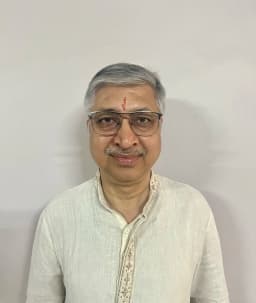
Pt. Amitabh Sharma (56 Years)
Experience: 20
Consults About: Family Planning, Career
Clients In: Punjab, Haryana, Delhi
Share this article with friends and family
About ZODIAQ
ZODIAQ is an online Vedic Astrology platform. It connects clients seeking astrological advice to experienced astrologers with deep knowledge. Our users also generate kundali and perform kundali milan for free. ZODIAQ also offers services to the Astrologers. Astrologers utilize various offerings by ZODIAQ to serve their clients effectively.
If you are a User
Consult with experienced astrologers and seek their guidance. You can also order handwritten Janm Patrika report with life prediction prepared by experienced astrologers. Generate accurate Kundali, perform Kundali Matching and check horoscope and muhurat. Utilize our online library for all the necessary astrological and spiritual information.
If you are an Astrologer
Create accurate kundali for your clients and perform Kundali Matching for up to 5 people at a time. Write comprehensive Janm Patrika report for your clients with ZODIAQ. Check client details anytime by saving it in client directory. Become more productive by tracking how many clients you guide every day.
WELCOME TO
ZODIAQ
Right Decisions at the right time with ZODIAQ
