Yam-Yamuna's Story: A Vedic Symbol of Sibling Love and Liberation
By Pt. Suvrat Sharma
A unique tale of Dharma, love and liberation that inspired the Bhai Dooj festival
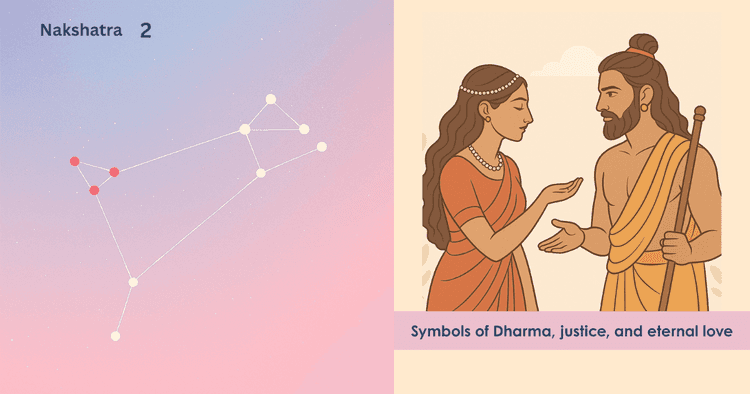
Table of Contents
In Vedic culture Yama and Yamuna are not only siblings they represent dharma, justice, purity and eternal affection. This story expresses the sacredness of relationships, moral, boundaries and the path of spiritual liberation. From the Rigveda to the Vishnu Purana this narrative inspired the festival of Yama Dwitiya which celebrates the unbroken bond of brother and sister.
Primary mythological details
| Element | Description |
|---|---|
| Parents | Surya Vivasvan and Sanjna Sarnya |
| Birth | Twin brother and sister |
| Abode | Surya Loka |
| Main scriptures | Rigveda 10.10 Vishnu Purana 3.2.4 Markandeya Purana 74.4 |
| Form of Yamuna | River goddess flowing upon earth |
Yam Devta: The Vedic Lord of Death, Dharma and Justice
Detailed narrative
The eternal tale of love between Yama and Yamuna
Beginning of the story
In ancient times Surya had twin children Yama and Yamuna. They were inseparable companions. Yamuna’s laughter filled Yama with freshness and Yama’s seriousness made Yamuna feel safe. They played together and shared everything. Their mornings and evenings felt incomplete without each other.
Separation and the message of love
With time their destinies changed. Yama received the duty of overseeing death and justice. Yamuna descended to earth as a sacred river. Every year on Kartika Shukla Dwitiya she invited her brother but Yama could not come because of his responsibilities. Yamuna waited with affection and hope each year.
Reunion and the immortal blessing
One year Yama understood his sister’s longing. He visited her. Yamuna decorated her courtyard, welcomed him with a tilak, offered aarti and served food lovingly. Yama felt the depth of her affection. After the meal Yama said
From today any brother who receives tilak and food from his sister will never fear death. Your love is eternal, this blessing will live in every age.
Birth of Yama Dwitiya
This reunion became the origin of Yama Dwitiya. Sisters apply tilak to feed their brothers and brothers promise protection. It is not only a ritual but a remembrance of pure affection where duty, dharma and love meet.
Emotional message
The story teaches that life requires both affection and dharma. The bond of siblings is the bond of souls filled with waiting dedication and blessings.
Yamuna’s longing and Yama’s blessing reveal that true love is beyond time and death.
Love that is sincere never remains unfulfilled; it returns as a blessing in some form.
Rituals of Yama Dwitiya
| Action | Meaning |
|---|---|
| Tilak | Chandan or saffron mark by the sister |
| Arghya | Welcoming the brother with Yamuna water |
| Meal | Serving food prepared by the sister |
| Blessing | Brother promising protection and prosperity |
Moral teachings and essence
• Purity of affection the sibling bond is free from selfishness
• Supremacy of dharma Yama shows that morality guides love
• Symbol of liberation Yamuna teaches that a pure heart leads to cleansing and upliftment
The story of Yama and Yamuna reminds humanity that affection is eternal and dharma defines its sanctity.
Interesting facts
• Origin of Yamuna at Yamunotri
• Krishna performed his divine pastimes on the banks of Yamuna
• Yamuna remains a lifeline for many major cities
FAQs
• Why is Yama Dwitiya celebrated
Because it commemorates the eternal affection between Yama and Yamuna.
• Why is Yamuna called a river goddess
Because she nourishes life upon earth as a divine force.
• What does Yama’s blessing signify
It conveys purity of affection and the necessity of righteousness.
• Were Yama and Yamuna truly twins
According to scriptures they were twin children of Surya and Sanjna.
• Are Yama Dwitiya and Bhai Dooj the same
They originate from the same story but have regional variations in practice.
What does Nakshatra reveal about me?
My NakshatraDid you like it?
Author

Pt. Suvrat Sharma (63)
Experience: 20
Consults About: Family Planning, Career
Clients In: Punjab, Haryana, Delhi
Explore Related Articles
Explore All
Bharani Nakshatra: The Vedic Gateway to Life, Creation and Karma
Four Padas of Bharani Nakshatra: Traits, Career and In-depth Analysis
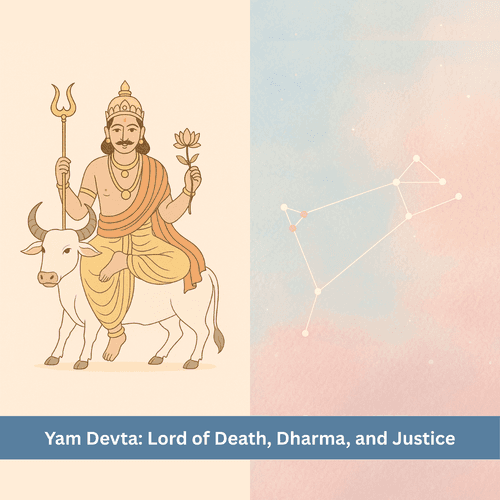
Yam Devta: The Vedic Lord of Death, Dharma and Justice
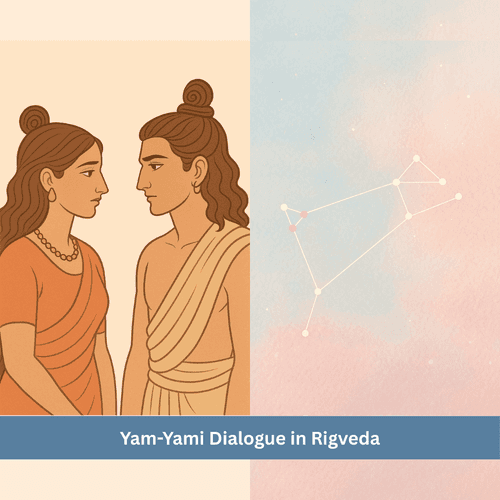
Yam-Yami Dialogue in Rigveda: The Conflict of Attraction, Emotions and Dharma
Ashlesha Nakshatra - The Star of Insight Power and Self-Transformation
अश्लेषा नक्षत्र - रहस्य, शक्ति और आत्म-परिवर्तन का नक्षत्र
Share this article with friends and family
About ZODIAQ
ZODIAQ is an online Vedic Astrology platform. It connects clients seeking astrological advice to experienced astrologers with deep knowledge. Our users also generate kundali and perform kundali milan for free. ZODIAQ also offers services to the Astrologers. Astrologers utilize various offerings by ZODIAQ to serve their clients effectively.
If you are a User
Consult with experienced astrologers and seek their guidance. You can also order handwritten Janm Patrika report with life prediction prepared by experienced astrologers. Generate accurate Kundali, perform Kundali Matching and check horoscope and muhurat. Utilize our online library for all the necessary astrological and spiritual information.
If you are an Astrologer
Create accurate kundali for your clients and perform Kundali Matching for up to 5 people at a time. Write comprehensive Janm Patrika report for your clients with ZODIAQ. Check client details anytime by saving it in client directory. Become more productive by tracking how many clients you guide every day.
WELCOME TO
ZODIAQ
Right Decisions at the right time with ZODIAQ
