Ganesha and Ketu Secret
By Pt. Narendra Sharma
Sankatanashana Stotra Durva and moksha intelligence sadhana
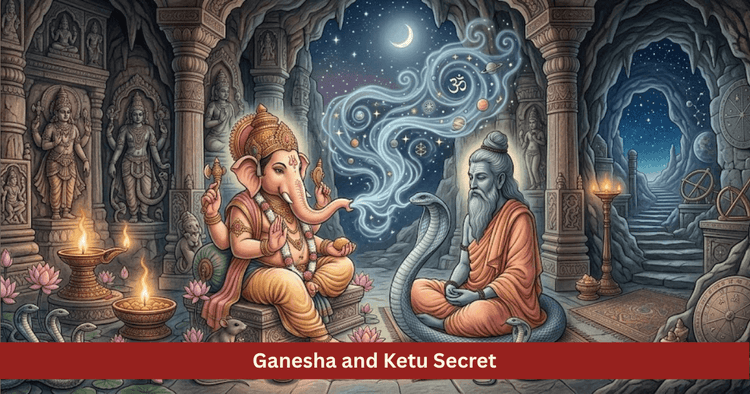
Table of Contents
Sadhana Time and Remedy Summary
In Vedic astrology Ketu is considered a shadow graha. It has no head and is therefore connected more with experience signs and inner vairagya than with ordinary logic. Ketu is regarded as the karaka of moksha sudden change mystery subtle knowledge and the surfacing of old karma. Bhagavan Ganesha is Gajanan. His elephant head symbolises viveka memory and a wide vision. For this reason Ganesha upasana is considered a practice for calming confusion obstacles and mental fog connected with Ketu.
When Ketu is afflicted in the chart confusion breaks in decision making unfamiliar fear a feeling of tantric obstruction and sudden difficulties may be experienced. These signs should not be viewed through superstition. Health mental stress and real life circumstances must also be considered. Ganesha sadhana is a traditional path of inner steadiness not a guarantee of instant miracle.
| Detail | Special information |
|---|---|
| Principal days | Tuesday and Saturday |
| Special tithi | Chaturthi |
| Suitable time | after morning bath or Brahma muhurta |
| Main graha | Ketu |
| Main deity | Bhagavan Ganesha |
| Main mantra | Om Gam Ganapataye Namah |
| Ketu mantra | Om Sraam Sreem Sraum Sah Ketave Namah |
| Special stotra | Sankatanashana Ganesha Stotra |
| Main offerings | Durva modak yellow flowers and lamp |
| Main dana | sesame blankets food and educational material |
| Core rule | simplicity silence viveka and non violence |
The first step of Ganesha sadhana is to remove unnecessary disorder from both home and mind. After the morning bath wear clean cloth. Light a ghee lamp before the image or idol of Ganesha. Offer Durva. Offer modak or jaggery as bhoga. First chant the Ganesha mantra and then recite Sankatanashana Ganesha Stotra.
This ordered outline of daily sadhana can be followed with ease at home.
- After the morning bath sit facing east or north
- Offer small fresh bundles of Durva to Ganesha
- Chant Om Gam Ganapataye Namah 108 times
- Recite Sankatanashana Ganesha Stotra peacefully
- If Ketu affliction is strong chant Om Sraam Sreem Sraum Sah Ketave Namah
- At the end sit silently for some time and observe thoughts
When the Headless Shadow Comes before Viveka
The Puranic image of Ketu is a headless body. This image is not meant to create fear. It indicates that Ketu cuts outer name and identity and places a person before the original truth. The head is logic and identity. The body is experience and karma. When the head is removed the person has to face experience directly.
The Gajanan form of Bhagavan Ganesha gives viveka to this incomplete experience. The elephant head symbolises patience memory and the ability to see far. The large ears teach listening. The small eyes indicate concentration. The trunk is the power to recognise both subtle and gross. The large stomach is the ability to hold opposing experiences of life.
When Ketu gives confusion Ganesha gives viveka. When Ketu cuts suddenly Ganesha gives order to the obstacle. When Ketu makes a person lonely Ganesha reminds one of inner fullness. This is the hidden spiritual bond between the two.
Which Areas Does Ketu Govern
Ketu cannot be understood only through material results like ordinary planets. In the house where it sits Ketu can reduce worldly grip. From the same place spiritual search can begin. This experience can be pleasant as well as difficult.
| Area | Indication of Ketu |
|---|---|
| Moksha | freedom from attachment and self reflection |
| Vairagya | distance from the world and turning inward |
| Subtle knowledge | signs dreams meditation and mystery |
| Sudden change | direction changing without preparation |
| Confusion | fog and inconsistency in decisions |
| Technical skill | subtle analysis and unusual intelligence |
| Old karma | surfacing of past samskara |
| Separation | distance from relationship or place |
The strength of Ketu is not always negative. A benefic Ketu can give deep insight to researchers sadhakas doctors astrologers and spiritual people. An afflicted Ketu can turn the same insight into fear confusion and instability. Therefore Ketu should not be erased. Its direction should be purified.
The Spiritual Equation of Ganesha and Ketu
Ganesha is called Vighnaharta the remover of obstacles. Ketu can bring obstacles in life whose cause is not understood immediately. A task stopping as soon as it begins repeated changes of direction sudden fear or unexplained inner emptiness may feel like the shadow of Ketu.
Ganesha puja gives these experiences a centre. When the sadhaka offers Durva one awakens the feeling of simplicity and connection with the earth. When modak is offered one makes the resolve to turn inner knowledge into sweetness. When the Ganesha mantra is spoken scattered energy rests in one sound.
The connection between Ganesha and Ketu is also joined with Budha. Ganesha is the deity of intelligence and memory. Budha is the graha of words and logic. Ketu is a sign beyond logic. When all three are balanced a person can understand subtle matters without falling into confusion.
Importance of Sankatanashana Ganesha Stotra
Sankatanashana Ganesha Stotra is a well known stotra dedicated to Ganesha. Its tradition is connected with the Narada Purana and it is associated with Maharshi Narada. The stotra remembers many names of Ganesha. Name remembrance gives the scattered consciousness of Ketu a sacred order.
The tradition of reciting this stotra in all three sandhyas is found in some sadhana systems. For a householder one regular recitation in the morning or evening may be enough. Keep pronunciation clear. If the complete stotra is not memorised read it from a book. Understanding the meaning with shraddha is more important than fast recitation.
The simple method is as follows.
- Take a bath and clean the worship place
- Light a ghee lamp before Ganesha
- Offer 21 small bundles of Durva or according to capacity
- Chant Om Gam Ganapataye Namah
- Recite Sankatanashana Ganesha Stotra
- Offer modak or jaggery and perform aarti
The purpose of the stotra is not only to remove outer crisis. It is also to steady the intellect during crisis. Steady intellect chooses the right karma. Right karma slowly reduces obstacles.
The Inner Meaning of Offering Durva
Durva is simple grass. It spreads quickly and remains alive even in difficult conditions. Durva is considered dear to Ganesha. This tradition has a deep environmental and spiritual meaning. The sadhaka is reminded that strength does not always live in a shining object. Sometimes it lives in a small grass close to the earth.
While offering Durva keep the grass clean and fresh. Hold the grass offered for worship with respect. Do not throw it beneath the feet. After offering it to Ganesha do not discard it carelessly. If possible return it to a plant or to the soil.
Durva makes the mind humble. Ketu cuts the layers of pride. Durva shows that life can grow again even after being cut. This is a beautiful symbol of the moksha path of Ketu.
Signs of Ketu Affliction
Affliction of Ketu does not arrive only as tantric obstruction or disaster. Signs may also appear in daily behaviour.
- Tasks stopping without a clear reason
- Changing decisions repeatedly
- Sudden fear or insecurity
- Disturbed sleep and unusual dreams
- Feeling lonely even among loved ones
- Excessive doubt about a subject
- Confusion about spiritual experiences
- Fear of injury or sudden events
- Broken attention in study or work
These signs do not always mean Ketu Dosha. Anxiety lack of sleep trauma and health conditions may also be causes. In mental distress support from a qualified professional is necessary. Astrology is a means of self reflection and not a replacement for treatment.
Ganesha Puja and Ketu Mantra Sadhana
Om Gam Ganapataye Namah is one of the simplest Ganesha mantras. It means salutations to Ganapati the lord of the ganas. This mantra may be chanted 108 times. If time is limited chant 21 or 27 times. Regularity is more important than number.
The Ketu mantra is Om Sraam Sreem Sraum Sah Ketave Namah. It is proper to chant it with guidance from a qualified acharya. During Ketu Mahadasha or serious affliction the count and duration of mantra should be decided after examining the personal chart. Long tantric practice without preparation is not proper.
Ganapati Atharvashirsha Ganesha Chalisa and Sankatanashana Ganesha Stotra are also traditional options. There is no need to begin many recitations at once. One simple mantra one stotra and truthful conduct can form a sufficient foundation.
Tuesday and Saturday Sadhana
On Tuesday offer red flowers Durva and modak to Ganesha. Donate red lentils or jaggery. Remembering both Hanuman and Ganesha may balance Mangal and Ketu. Put physical energy into seva or exercise.
On Saturday donate black sesame food or blankets. Help people in need. Light a lamp for Ganesha and chant the Ketu mantra. In some traditions feeding stray dogs is considered connected with Ketu. Maintain cleanliness and safety while feeding animals.
Chaturthi tithi is considered special for Ganesha sadhana. On this day recite Sankatanashana Ganesha Stotra offer Durva and visit a Ganesha temple. The purpose of puja is not to increase fear. It is to give the mind a centre.
Dana and Practical Remedies
Dana and sadhana are both considered necessary for Ketu shanti. Dana loosens the grip of the mind. Seva brings a person out of personal confusion.
| Dana or seva | Spiritual indication |
|---|---|
| Durva and food | simplicity and connection with the earth |
| Sesame | seriousness of karma and purification |
| Blanket | protection of lonely and needy people |
| Educational material | expansion of knowledge and viveka |
| Feeding dogs | compassion and service to unseen beings |
| Ganesha temple seva | turning obstacles into collective dharma |
Keep practical remedies along with these. Make a short list of tasks. Take decisions in writing. Keep sleep regular. Avoid unnecessarily frightening content. Practise meditation and breath awareness. The spiritual direction of Ketu opens through silence and self observation.
What to Do and What to Avoid
Clear limits help Ganesha and Ketu sadhana.
| Do | Do not |
|---|---|
| Offer Durva and simple bhoga | place Durva beneath the feet |
| Recite Ganesha mantra and stotra regularly | overdo mantras from fear |
| Donate on Tuesday or Saturday | display dana with pride |
| Keep meditation and self observation | treat every event as tantric obstruction |
| Use qualified guidance for Ketu mantra | perform complex tantric practices without initiation |
| Meet a specialist for health issues | replace treatment only with worship |
Cat's eye is considered the gemstone of Ketu. It is not auspicious for everyone. Before wearing it the position of Ketu in the chart house ownership dasha and planetary relationships must be examined. Wearing a gem without advice is not proper.
The True Meaning of Moksha and Sharp Intelligence
Moksha through Ketu does not mean running away from the world. It means understanding attachment. A person works maintains relationships and earns wealth yet does not place the whole identity in these objects. Ganesha sadhana makes this balance simple.
Sharp intelligence does not mean only giving an immediate answer. Asking the right question recognising unnecessary fear seeing the result of a decision and remaining silent at the proper time are also intelligence. The large head of Ganesha symbolises this wide intelligence.
The greatest fruit is that the sadhaka becomes less afraid of obstacles. One begins to see them as signals. Where order is breaking. Where pride is increasing. Where rest is needed. Where a guru is needed. This vision gives the unrest of Ketu a direction toward moksha.
The Viveka That Remains in Life
After Ganesha puja the Ganesha tattva should remain in life. Planning before beginning work listening before speaking accepting mistakes and remaining humble after success are living worship of Gajanan.
Ketu is a headless shadow. Ganesha is a head of viveka. When the shadow comes before viveka confusion may become knowledge. Obstacle may become sadhana. Separation may become self reflection. Sudden change may open old bonds of life.
FAQ
How should Ganesha puja be done for Ketu Dosha
After the morning bath light a ghee lamp before Ganesha. Offer Durva and modak. Chant Om Gam Ganapataye Namah 108 times and recite Sankatanashana Ganesha Stotra.
Which mantra should be chanted for Ketu
Om Sraam Sreem Sraum Sah Ketave Namah is considered the principal Ketu mantra. Chant it with guidance from a qualified acharya. Ganesha mantra may also be used for simple daily sadhana.
Why is Durva offered to Ganesha
Durva symbolises simplicity connection with the earth and the power to grow again in difficult conditions. Offering Durva awakens humility and steadiness.
When should Sankatanashana Ganesha Stotra be recited
It may be recited regularly in the morning or evening. Recite it with special feeling on Chaturthi Tuesday and Saturday.
Does cat's eye calm Ketu
Cat's eye is considered the gemstone of Ketu. It should be worn only after examining Ketu's position dasha and planetary relationships with advice from a qualified astrologer.
Get your accurate Kundali
Generate KundaliDid you like it?
Author
Pt. Narendra Sharma (63)
Experience: 20
Consults About: Family Planning, Career
Clients In: Punjab, Haryana, Delhi
Share this article with friends and family
About ZODIAQ
ZODIAQ is an online Vedic Astrology platform. It connects clients seeking astrological advice to experienced astrologers with deep knowledge. Our users also generate kundali and perform kundali milan for free. ZODIAQ also offers services to the Astrologers. Astrologers utilize various offerings by ZODIAQ to serve their clients effectively.
If you are a User
Consult with experienced astrologers and seek their guidance. You can also order handwritten Janm Patrika report with life prediction prepared by experienced astrologers. Generate accurate Kundali, perform Kundali Matching and check horoscope and muhurat. Utilize our online library for all the necessary astrological and spiritual information.
If you are an Astrologer
Create accurate kundali for your clients and perform Kundali Matching for up to 5 people at a time. Write comprehensive Janm Patrika report for your clients with ZODIAQ. Check client details anytime by saving it in client directory. Become more productive by tracking how many clients you guide every day.
WELCOME TO
ZODIAQ
Right Decisions at the right time with ZODIAQ
