Krishna Janmashtami 2026: Date, Puja Vidhi, Fasting, Stories and Astrological Meaning
By Pt. Amitabh Sharma
Learn the religious significance, rituals, fasting and stories of Lord Krishna’s appearance day
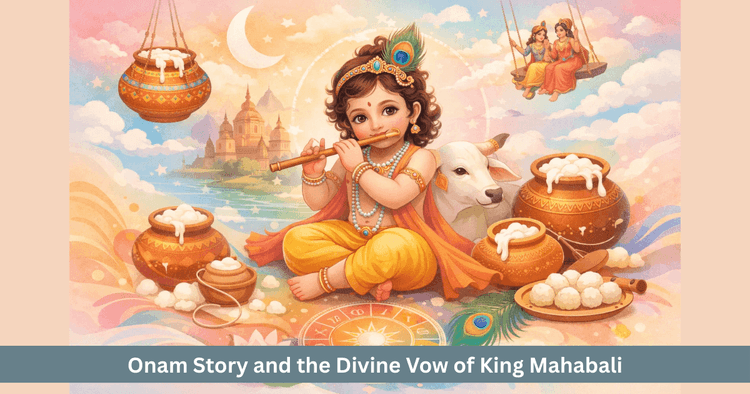
Table of Contents
Krishna Janmashtami, also known in many regions as Gokulashtami, is celebrated as the sacred appearance day of Lord Krishna. According to the Hindu calendar it falls on the Krishna Ashtami of the month of Shravan or Bhadrapada, while in the Gregorian calendar this usually corresponds to August or September.
Krishna Janmashtami 2026 Date, Ashtami Tithi and Rohini Nakshatra
The core of Janmashtami lies in the union of Krishna Ashtami and Rohini Nakshatra. In 2026 this auspicious festival will be celebrated across India on the same main date.
| Detail | Date and Day | Time / Information |
|---|---|---|
| Krishna Janmashtami 2026 | Friday, 4 September 2026 | Sri Krishna Janmotsav |
| Ashtami tithi begins | 4 September 2026 | Around 03:01 AM |
| Ashtami tithi ends | 4 September 2026 | Around 01:00 AM in the night |
| Rohini Nakshatra begins | 4 September 2026 | Around 04:35 PM in the evening |
| Rohini Nakshatra ends | 5 September 2026 | Around 05:30 PM according to traditional references |
| Nishita puja period | Midnight of 4 September | Approximately from 12:03 AM to 12:47 AM as per panchanga indications |
The Nishita or midnight period is widely honoured as the mystical moment of Krishna’s birth. Devotees usually fast during the day and perform the main Janmotsav, abhishek, shringara and aarti at this time.
What Is Krishna Janmashtami and Why Is It Celebrated?
Krishna Janmashtami is observed as the appearance day of Lord Krishna, considered the eighth incarnation of Lord Vishnu. According to sacred narrations, Krishna was born in a prison in Mathura as the eighth child of Devaki and Vasudeva. The tyrant king Kansa, ruler of Mathura and brother of Devaki, had heard a prophecy that Devaki’s eighth child would end his ruthless reign.
Out of fear, Kansa imprisoned Devaki and Vasudeva. As Devaki’s children were born, he killed them one after another. When the eighth child, Krishna, took birth, a divine sleep fell upon the guards and the prison chains miraculously loosened. Vasudeva carried the infant Krishna in a basket across the Yamuna to Gokul in the house of Nanda and Yashoda, where Krishna grew up. In time he returned to Mathura, defeated Kansa and restored dharma.
Janmashtami therefore remembers not only Krishna’s birth but also the assurance that injustice and cruelty are not permanent and that divine guidance appears when it is most needed.
How to Perform Krishna Janmashtami Puja in 2026
The puja vidhi of Janmashtami focuses on the birth, bathing, decoration, swinging and feeding of Laddu Gopal, the child form of Krishna. Homes and temples become centres of loving preparation.
Day Long Preparations and Fasting
In the morning devotees bathe and wear clean clothes. Many undertake a fast for the entire day.
- Some follow a fruit and milk based fast.
- Others observe a more intense fast with only water or a near nirjala discipline.
From the morning, the shrine or home temple is cleansed with Ganga water if available and decorated. A small swing or cradle is arranged for Laddu Gopal and adorned with flowers, colourful cloth and festive hangings.
Night Puja and Decorating the Cradle
The main worship is begun closer to the Nishita period.
- A soft cloth is spread on the swing or a small wooden platform.
- The child form of Krishna is placed respectfully on the swing or on the chowki, according to what is available.
- Before starting rituals, devotees sit quietly, invoke Krishna through dhyana and offer him a seat in their hearts and home.
This sets the tone for a concentrated and affectionate puja.
Abhishek, Panchamrit and Shringara
The ritual bathing has a deep symbolic value.
- First water is offered at the Lord’s feet as padya.
- Then achamana is performed, offering water to the deity and accepting a small amount.
- For the main snana, the idol is bathed with panchamrit, usually a blend of milk, curd, ghee, honey and sugar or Ganga water.
After abhishek, the deity is gently dried and dressed in fresh garments. Sandal paste is applied on the forehead and the form is decorated with garlands, crown, peacock feather, jewellery and a small bansuri. In many traditions a sacred thread or janeu is also offered.
Deepa, Dhupa, Tulsi and Bhoga
Lighting of lamps and offering of food complete the core of the ritual.
- Krishna is especially pleased with tulsi leaves, so these are placed on the bhoga.
- Devotees offer makhan, mishri, sweets, fruits, nuts and preparations such as kheer and laddoos.
- Lamps are lit with ghee or oil and incense is offered as a mark of reverence.
Finally, aarti is performed, often with songs like “Kunj Bihari” or other traditional hymns and devotees circumambulate the deity.
Swinging Laddu Gopal and Family Prayers
At the exact or approximate moment of birth indicated by the midnight muhurat, Laddu Gopal is gently swung in the cradle amidst bells, conch sounds and joyful chanting.
- Markings of curd, honey or kumkum on the child form signify the moment of appearance.
- Children of the home may also be dressed as Krishna and placed briefly on the swing.
The family then offers individual and collective prayers, asking for protection, clarity and devotion in their daily lives.
Major Rituals and Community Celebrations
Krishna Janmashtami extends beyond personal puja into community celebrations.
- Devotional singing and nama sankirtana continue throughout the day and night.
- Many temples stage dramatic enactments of Krishna’s pastimes, including childhood pranks and later life episodes.
- Children participate in tableaux dressed as cowherd boys, gopis, Radha or Balarama.
In major centres such as Mathura, Vrindavan and Dwarka, the festival includes grand processions, special darshans and large scale distribution of prasadam.
Krishna’s Birth Story and Related Legends
Several key episodes are remembered on this night.
- The divine sleep that overtook the guards when Krishna was born and the opening of the prison doors.
- Vasudeva carrying Krishna in a basket through heavy rain, protected by the hood of Sheshanaga.
- The crossing of the Yamuna, where the waters parted or lowered to make way for the child.
- The exchange of babies in Gokul, where Nanda and Yashoda’s daughter, considered an aspect of Goddess Durga, was taken back to Mathura.
When Kansa tried to kill the infant girl, she rose into the sky as a divine power and announced that the one destined to end his tyranny was already safe elsewhere.
How Is Krishna Janmashtami Celebrated Across India?
Because India is diverse, Krishna Janmashtami takes many forms while keeping the same heart.
North India
In North India, especially Mathura, Vrindavan, Delhi and nearby regions, Janmashtami is one of the year’s most prominent festivals.
- Rasa lila and Krishna lila plays are performed.
- Temples hold night long vigils, bhajan sessions and elaborate shringara darshans.
Some places feature processions and community gatherings that keep the atmosphere vibrant until dawn.
Eastern and North Eastern India
In the North Eastern states, especially Manipur, classical Raslila dance dramas depicting Radha Krishna’s love and devotion are presented.
- Children dress as Krishna and gopis and act out stories from his life.
- Families recite or listen to sections of the tenth canto of the Bhagavata Purana and to verses from the Gita.
In West Bengal and Odisha the day is devoted to fasting and worship and the following day known as Nanda Utsav honours Nanda and Yashoda.
Western India and Dahi Handi
In Rajasthan and Gujarat, devotional singing, folk dances and visits to Krishna temples mark the day. Maharashtra is famed for the Dahi Handi tradition on the day after Janmashtami.
- Earthen pots filled with yoghurt butter and other items are hung high above the ground.
- Groups of youths form human pyramids to break these pots.
This playful re enactment honours Krishna as Makhan Chor, the butter thief and the spilled contents are accepted as prasada.
South India
In South India the festival is known as Gokula Ashtami.
- Floors are decorated with kolam designs.
- Tiny footprints symbolising Krishna’s entry into the home are drawn from the threshold to the puja area.
- Butter, fruits, betel leaves and other items are offered while devotional songs in praise of Krishna are sung.
Thus, the entire subcontinent joins in different yet harmonious expressions of the same devotion.
Foods Offered to Krishna on Janmashtami
On Janmashtami, devotees prepare a variety of milk based and sweet offerings dear to Krishna, who is fondly remembered as Makhan Chor.
Some popular offerings include the following.
- Makhan or freshly churned butter, often served with mishri.
- Kheer prepared with milk, rice and dry fruits.
- Peda, laddoo and other sweets made from khoya or gram flour.
- Panchamrit, a blend of milk, curd, ghee, honey and sugar offered first and then distributed.
- Fresh fruits and dry fruits, presented in simple plates or as part of more elaborate bhoga.
In several temples and homes, a traditional Chappan Bhog of fifty six items is prepared as a grand offering to Krishna and then shared as prasadam.
Astrological and Spiritual Significance of Krishna Janmashtami
Astrologically, Krishna’s birth is associated with the Krishna Paksha of Bhadrapada, Ashtami tithi and Rohini Nakshatra.
- The dark half of the lunar month symbolises times when clarity may appear to be hidden, yet inner light arises.
- Ashtami connects with lessons of balance, courage and acceptance of karmic law.
Through this combination, Krishna is viewed as a protector who appears when adharma becomes heavy on the earth. His presence reminds that whenever fear and injustice expand, the principle of dharma will eventually restore harmony.
Living the Message of Krishna Janmashtami 2026
Krishna Janmashtami 2026 offers more than a reason to celebrate. It is also an invitation to reflect. Krishna’s life demonstrates
- protection of righteousness,
- depth of love and compassion,
- and the path of selfless action explained in the Gita.
If devotees use this festival to renew a commitment to honesty, courage and steadiness in their own choices, then the midnight celebration of Krishna’s birth will echo through their daily lives.
Frequently Asked Questions
When will Krishna Janmashtami be celebrated in 2026?
Krishna Janmashtami 2026 will be celebrated on Friday, 4 September. On this day the Krishna Ashtami of Bhadrapada and the Rohini Nakshatra form a special combination and the main celebration takes place at midnight.
What food is especially dear to Lord Krishna on Janmashtami?
Krishna is particularly fond of makhan and mishri. Along with this, kheer, peda, laddoo, panchamrit and other milk based sweets are traditionally offered as bhoga.
Why do some calendars show two possible dates for Janmashtami?
In some regions priority is given to the Ashtami tithi, while in others Rohini Nakshatra is emphasised. Differences in panchanga calculations and local traditions can lead to two consecutive dates being chosen for observance.
What is the full traditional name of this festival?
The full devotional name is Sri Krishna Janmashtami, which directly refers to the appearance of Lord Krishna on the eighth tithi. In various places it is also called Gokulashtami or Krishna Jayanti, yet the inner meaning remains the same.
What does Krishna Ashtami signify in the lunar calendar?
Krishna Ashtami is the eighth day of the dark fortnight of the lunar month. It is revered because Lord Krishna took birth on this day, turning a time of outer darkness into a moment of inner awakening and is therefore counted among the most sacred tithis in the Hindu tradition.
Get your accurate Kundali
Generate KundaliDid you like it?
Author
Pt. Amitabh Sharma (56 Years)
Experience: 20
Consults About: Family Planning, Career
Clients In: Punjab, Haryana, Delhi
Share this article with friends and family
About ZODIAQ
ZODIAQ is an online Vedic Astrology platform. It connects clients seeking astrological advice to experienced astrologers with deep knowledge. Our users also generate kundali and perform kundali milan for free. ZODIAQ also offers services to the Astrologers. Astrologers utilize various offerings by ZODIAQ to serve their clients effectively.
If you are a User
Consult with experienced astrologers and seek their guidance. You can also order handwritten Janm Patrika report with life prediction prepared by experienced astrologers. Generate accurate Kundali, perform Kundali Matching and check horoscope and muhurat. Utilize our online library for all the necessary astrological and spiritual information.
If you are an Astrologer
Create accurate kundali for your clients and perform Kundali Matching for up to 5 people at a time. Write comprehensive Janm Patrika report for your clients with ZODIAQ. Check client details anytime by saving it in client directory. Become more productive by tracking how many clients you guide every day.
WELCOME TO
ZODIAQ
Right Decisions at the right time with ZODIAQ
