Ashwin Ayurveda Health Season Guide
By Pt. Amitabh Sharma
Ayurveda tips for Pitta, diet purity, neem and seasonal Kheer
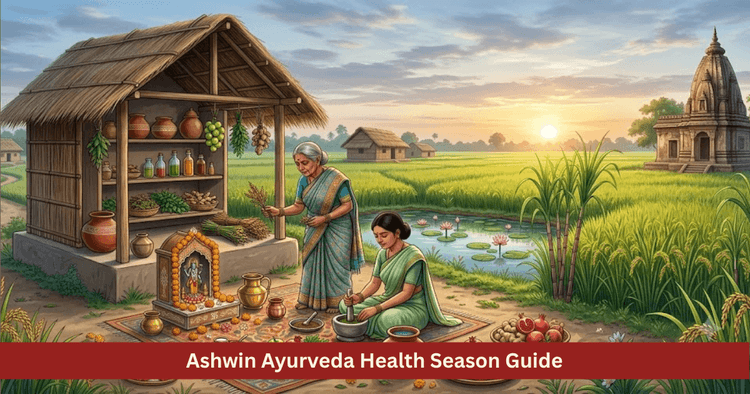
Table of Contents
Know the Seasonal Junction and Care First
Ashwin month is regarded as the junction period when the rainy season departs and Sharad Ritu, the autumn season, begins. During this time the sky starts becoming clearer, humidity changes and imbalance among the bodily doshas may appear. From the Ayurvedic view, this period is specially connected with an increase of Pitta dosha, so food, sleep, daily routine and mental restraint become more important.
In 2026, Ashwin month remains approximately from the end of September to the end of October. Effects may differ according to local climate, the Panchang and individual body nature. If any serious symptom appears, advice from an Ayurveda physician or qualified doctor is necessary. This article is general seasonal guidance and not a substitute for personal treatment.
Primary Information for Ashwin Seasonal Routine
- Seasonal transition: from rains toward autumn
- Main dosha concern: greater possibility of Pitta increase
- Supportive tastes: sweet, bitter and astringent
- What to reduce: highly sour, sharp and deep fried food
- Useful substances: ghee, milk, aged rice, neem, Kheer and raisins
- Daily routine: light exercise, cleanliness and regular sleep
- Mind: protection from anger and excessive agitation
- Festival food: Sattvic Navratri meals and Sharad Purnima Kheer
- Water intake: boiled or clean cool water in moderate quantity
- Core feeling: purification with nourishment and coolness
| Subject | Prefer | Practise Restraint |
|---|---|---|
| Taste of food | Sweet, bitter, astringent | Extremely sour and pungent |
| Unctuousness | Ghee and milk in moderation | Excess oil and fried food |
| Fruits | Pomegranate, amla and ripe fruit | Very sour unripe fruit |
| Grains | Aged rice, barley and wheat in moderation | Very heavy and stale food |
| Daily routine | Morning walk, bathing and regular sleep | Excess daytime sleep |
| Mental state | Peace, gratitude and service | Anger, haste and disputes |
What Happens to the Body from Rains to Autumn
During the rainy season the body may experience changes related to Vata and Kapha. When the sky opens and the heat of the sun increases, accumulated doshas may move toward aggravation, especially Pitta. In Ayurveda, Sharad is regarded as a Pitta predominant season.
Pitta is connected with fire, radiance, digestion, vision, glow of the skin and sharpness of intellect. Balanced Pitta supports health. Increased Pitta may appear as acidity, burning sensation, irritability, skin discomfort, bilious uneasiness and heightened sensitivity.
The weather of Ashwin may feel pleasant outwardly, yet the body is still in transition. Sudden intake of very cold water, highly pungent food, late night waking and full day fatigue may further disturb Pitta. therefore caution should accompany enthusiasm during this month.
Why Pitta Dosha Increases
According to Ayurvedic seasonal routine, doshas that remain accumulated during the rainy period may move toward aggravation in autumn when the sun becomes stronger. Reduction of humidity and increase of heat give strength to Pitta.
Possible Signs of Pitta Increase
- Bitter or acidic taste in the mouth
- Burning in the chest or acidity
- Rashes or a burning feeling on the skin
- Mild strain or burning in the eyes
- Sudden increase or irregularity of appetite
- Irritability and impatience
- Change in sweat and body odour
- Reduced or disturbed sleep
- A feeling of heat in the head
- Digestive discomfort related to Pitta
These signs are only for general understanding. Continuous or serious symptoms require medical consultation. Self diagnosis and medicine without advice are not appropriate.
Ayurvedic Food Rules in Ashwin
In Sharad seasonal routine, preference is given to food that calms Pitta, nourishes the tissues and keeps digestive fire balanced. Sweet taste gives strength and coolness, bitter taste gives purification and lightness and astringent taste gives contraction and stability.
What to Eat
- Aged rice and light khichdi
- Cow ghee in small quantity
- Milk, if it digests well
- Barley and whole grains in moderation
- Amla, pomegranate and sweet ripe fruits
- Light vegetables such as bottle gourd, ridge gourd and pumpkin
- Raisins, rock sugar and dry ginger used with discretion
- Green leafy vegetables with bitter qualities
- Sattvic pulses prepared in an easy to digest way
- Mild digestive supports such as cumin, coriander and fennel
What to Reduce
- Deep fried and stale food
- Highly sour and fermented items
- Excessive chilli and sharp spices
- Too much sesame oil and heavy meat meals, if consumed
- Excess tea, coffee and intoxicants
- Very cold iced drinks taken suddenly
- Heavy food immediately after long daytime sleep
- Large meals at irregular times
The quantity of food depends on digestive strength, age, illness and climate. One rule does not suit everyone equally. Pregnant women, children, elders and patients should follow special advice.
Why Neem Is Connected with This Season
In Ayurveda, neem is regarded as bitter, purifying and supportive for skin health. In transitional periods such as Ashwin and Chaitra, the use of neem leaves or neem related traditions appears in community life. The Navratri tradition of neem worship is also connected with nature and purification.
The bitterness of neem is considered a symbol of lightening impure accumulation related to Pitta and Kapha. Even so, neem is not safe for every person in every form. Large quantity, long use, pregnancy, childhood and internal illness make unsupervised neem use risky.
Moderate Direction for Neem Use
- Very small and tradition compatible use of fresh neem leaves
- External neem application only with proper advice
- Clean traditions of neem based oral care
- Benefit of neem shade and clean air
- Do not decide dosage by treating neem casually as medicine
- Check sensitivity before applying on skin
- Stop immediately if vomiting, dizziness or discomfort appears
- Do not mix with medical drugs without asking a physician
Correct use of neem may support purification but a healthy body is not created by neem alone. Purity of food, sleep, control of anger and balanced digestion are more decisive.
Ayurvedic and Seasonal Relation of Kheer
The tradition of placing Kheer in moonlight on Sharad Purnima is a well known cultural practice of Ashwin month. From the Ayurvedic view, Kheer made of milk and rice is sweet, unctuous and nourishing. It may strengthen the tissues and offer some coolness to the dry burning of Pitta when digestion is good.
Kheer can also be heavy. For a person with weak digestive fire it may take longer to digest. therefore quantity, timing and digestive capacity must be considered. Sharad Purnima Kheer may be understood both as sacred Prasad and as a seasonally suitable sweet food.
Suggestions for Wholesome Kheer
- Use fresh milk and good quality rice.
- Prefer rock sugar or limited sugar instead of excess sweetness.
- Cardamom and saffron are enough for taste and fragrance.
- Do not take very cold and very large amounts of Kheer at night.
- Reduce quantity in diabetes or heaviness.
- Keep the Kheer clean and safe.
- Do not consume stale Kheer.
- A small amount of ghee may support digestion.
The religious feeling of placing Kheer in moonlight is connected with the coolness of the Moon. From the view of food safety, leaving milk Kheer open for long in a warm environment is not appropriate. Keeping it for a limited time with a thin clean cover is safer.
Simple Rules of Daily Routine
In Ashwin, improving only the plate is not enough. Daily routine plays a major role in balancing the doshas.
- Try to wake near sunrise.
- Do not allow mild constipation to continue. Keep water and fibre adequate.
- Bathe with clean water and avoid sudden extremely cold water.
- Keep light exercise, yoga or walking.
- Protect yourself from harsh midday sun.
- Do not delay the night meal too long after sunset.
- Sleep on time and reduce late night waking.
- Reduce anger, intense arguments and excessive screen time.
- Keep the body fresh with clean clothes and mild fragrance.
- When mental fatigue appears, take calm breathing and short rest.
Ancient seasonal routine mentions gentle anointing, sandal and cooling fragrant substances in autumn. In present life, its simple form may be cleanliness, mild fragrance, a peaceful environment and mental rest.
Health Connection of Navratri and Ashwin
Sharad Navratri also comes in Ashwin. Sattvic food, regular timing and mental restraint support health. Fasting may be beneficial when suitable for the body. Forced fasting is not appropriate in weakness, dizziness, illness or medical limitation.
Health Suggestions During Navratri
- Take fruits, milk, sago, water chestnut and buckwheat according to digestive capacity.
- Do not depend only on fried items.
- Drink water at regular intervals.
- Limit excess chilli and packaged fasting snacks.
- Keep flexible rules during menstruation, pregnancy, old age or illness.
- Do not eat heavy food suddenly after fasting.
- Observe your own fatigue along with Kanya Puja and charity.
Create a Simple Autumn Friendly Day at Home
- Warm water with cumin or fennel in the morning if suitable
- Light khichdi or fruit for breakfast
- Easy to digest midday food with ghee
- Soaked raisins or buttermilk in the evening if digestion allows
- Light dinner and early sleep at night
- Reduce excess oil and sweets on one day each week
- Use neem or bitter substances only according to tradition and advice
- Take a small amount of Kheer as Prasad on Purnima
Who Needs Special Care
- People with acidity
- People with skin disorders
- People with diabetes
- People with high blood pressure
- Children and pregnant women
- Elderly and weak persons
- People with liver or bile related concerns
- Patients taking regular medicine
In these conditions, neem, Kheer, fasting or any new experiment should be adopted only after medical permission.
Relation of Mind and Pitta
In Ayurveda, Pitta is not only the fire of the stomach. It is also connected with intensity, sharpness and decisiveness. When Pitta increases, a person may become more critical, impatient or angry. Ashwin also carries the pressure of family, work and spiritual observances. therefore mental coolness is as necessary as food.
Measures for Mental Balance
- Reduce harsh self criticism.
- Bring pause and gentleness into conversation.
- Keep Bhajan, meditation or calm music at night.
- Do not open disputed subjects in a state of fatigue.
- Spend some time in nature.
- Expand the mind through gratitude and service.
Astrological Indication of Seasonal Change
In astrology, the Sun relates to radiance and the self, the Moon relates to mind and essence and Pitta nature may be compared with radiant qualities linked with Mars and the Sun. In Ashwin, the discernment associated with the Sun in Virgo and the cooling lunar feeling of autumn are both useful in practice. In the language of health, this means joining intensity with wisdom and the mind with coolness.
No planet alone creates disease through a general statement. Body, food, climate, age and action together create health. Astrology may give inspiration but it cannot replace medicine and seasonal routine.
The Path of Health in Autumn
Ashwin month is the doorway of nature where the moisture of the rains is left behind and the clarity of autumn comes forward. At this doorway Pitta may awaken. The devotee who keeps a balance of sweet and bitter in food, adopts the purifying quality of neem with discretion, keeps nourishing Kheer in right quantity and calms anger can cross this transition more gently.
The secret of a healthy body is not in one substance. It lies in the combination of regular routine, easy digestion, sufficient sleep, clean water, a peaceful mind and necessary medical advice. The seasonal wisdom of Ashwin teaches that change should be met with preparation and not with fear.
FAQ
Which dosha increases in Ashwin month?
From the Ayurvedic view, Pitta dosha is considered more likely to increase during the transition from rains to autumn in Ashwin.
What should be eaten in Sharad season?
Food dominated by sweet, bitter and astringent tastes is considered useful. Ghee, milk, aged rice, amla, pomegranate and light vegetables may be suitable.
Should neem be consumed in Ashwin?
Neem is regarded as purifying but it should be taken only according to quantity, form and personal condition. Excess use without advice is not appropriate.
How is Sharad Purnima Kheer for health?
Kheer made of milk and rice is nourishing and sweet. In small quantity it may help when digestion is good. Avoid stale or excessive Kheer.
What is the simplest way to calm Pitta?
Reduce pungent and sour food, keep moderate ghee and cooling sweet food, reduce anger, sleep on time and follow a clean daily routine.
Get your accurate Kundali
Generate KundaliDid you like it?
Author

Pt. Amitabh Sharma (56 Years)
Experience: 20
Consults About: Family Planning, Career
Clients In: Punjab, Haryana, Delhi
Share this article with friends and family
WELCOME TO
ZODIAQ
Right Decisions at the right time with ZODIAQ
