Sharad Season Health Regimen
By Pt. Nilesh Sharma
Natural food, Hamsodaka and routine rules for Ashwin
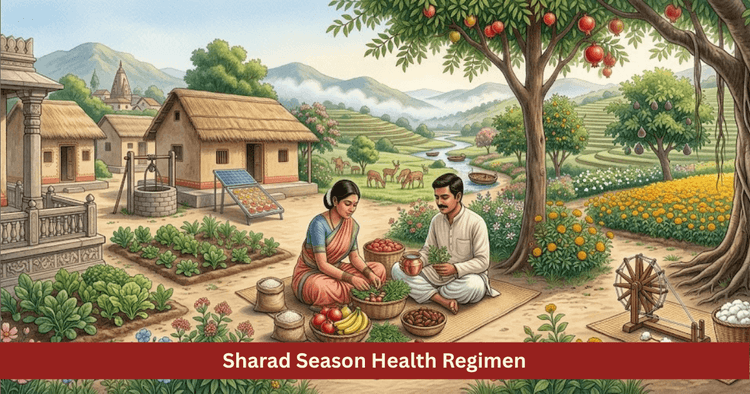
Table of Contents
Ashwin Sun and the Coolness of Night
In Ashwin month the rainy season gradually withdraws and the influence of Sharad Ritu begins to increase. The warmth of the Sun is clearly felt during the day while coolness settles into the atmosphere at night. This sudden change may affect digestion, sleep, skin and the respiratory system.
In the Ayurvedic tradition a seasonal transition is considered a sensitive period for the body and mind. Keeping food light, fresh and easy to digest, drinking enough water, caring for sleep and maintaining a balanced routine are considered useful during this time.
Ashwin month also includes the traditional idea of Hamsodaka. Traditionally this refers to water warmed by the rays of the Sun during the day and cooled by the rays of the Moon at night. Ayurvedic literature describes the importance of clean and defect free water during Sharad Ritu. From the modern view it is important to understand that sunlight and moonlight alone do not protect water from every type of microorganism or chemical contamination. For drinking, boiled, filtered or certified safe water should be used.
Primary Order of Ashwin Routine
A strict rule for one day is not enough to protect health during Sharad Ritu. Regular food, water, sleep and hygiene should become part of daily life.
| Time or condition | Useful routine |
|---|---|
| Early morning | Wake up, maintain cleanliness, light exercise and a calm mind |
| Morning | Safe water at a normal or mildly warm temperature |
| Day meal | Fresh, light and easy to digest food |
| Afternoon | Protection from strong Sun and enough water |
| Evening | Light food, lamp lighting and peaceful activity |
| Night | Sleep on time and avoid excessive wakefulness |
| Whole day | Cleanliness, seasonal fruits and moderate food |
| Special caution | Avoid stale, very fried, very spicy and contaminated food |
Basic Health Rules
• Eat according to hunger and in moderate quantity
• Drink water from a clean and safe source
• Change clothes immediately after getting wet in rain
• Avoid strong Sun during the day and cold air at night
• Exercise according to the capacity of the body
• Avoid suddenly consuming very cold drinks and frozen items
• Seek medical advice when illness appears
Why Can Illness Risk Increase During Seasonal Change?
When weather changes temperature, moisture and wind movement also change. The body must adjust to these changes. Some people may experience cough, throat irritation, skin itching, acidity, indigestion, headache or altered sleep during this time.
After the rainy season mosquitoes, fungus and contaminated water may also become a concern in some regions. Therefore following religious rules alone is not enough during Ashwin. Clean water, proper food storage, hand washing and air movement inside the home are also necessary.
People who already have allergies, asthma, diabetes, high blood pressure or digestive problems should take greater care during seasonal change. Serious symptoms should not be treated as only an effect of weather and medical care should not be delayed.
Ayurvedic View of Sharad Ritu
Ayurveda considers Sharad Ritu a season that may increase Pitta. After the rainy season the rise in solar heat may bring out accumulated Pitta. This may lead to acidity, burning in the skin, excessive sweating, irritability and digestive discomfort.
Sharad Ritucharya generally recommends light, sweet, bitter and astringent food. The purpose is to protect the body from food that is excessively hot, oily, sour and spicy.
| Ayurvedic feeling | Meaning in daily life |
|---|---|
| Balance of Pitta | Avoid excess heat and very spicy food |
| Protection of Agni | Eat according to hunger |
| Purity of water | Use clean and safe water |
| Peace of mind | Reduce anger and excessive stress |
| Seasonal adaptation | Change the routine gradually |
This Ayurvedic view is traditional health guidance. A qualified practitioner should be consulted in the presence of disease.
What Should Be Eaten in Ashwin?
During Sharad Ritu it may be useful to keep food fresh, light and easy to digest. Food should be selected according to the local climate, constitution and availability.
Useful Food Items
• Rice and light wheat preparations
• Green gram
• Bottle gourd, pointed gourd, pumpkin and green vegetables
• Pomegranate, Indian gooseberry, apples and grapes
• Coconut water
• A small amount of ghee
• Coriander and fennel
• Raisins and dates in limited quantity
• Buttermilk when suitable for the body
• Fresh and lightly warm food
Seasonal fruits and vegetables should be washed properly. Raw food should not be kept in the open for a long time. When digestion is weak it is better to avoid excessive salad, cold drinks and heavy raw food.
Which Foods Should Be Limited?
During Sharad Ritu very spicy, sour, salty, fried and excessively oily food may increase Pitta and acidity in some people. This does not mean that every person must completely stop every such item. Quantity, bodily response and health condition should be considered.
| Food type | Caution |
|---|---|
| Very spicy food | Limit |
| Excessively sour food | Reduce when acidity occurs |
| Very fried food | May burden digestion |
| Stale food | Avoid |
| Frozen items | Reduce during seasonal change |
| Excessive sweets | Take in limited quantity |
| Heavy pulses | Take according to digestive capacity |
| Alcohol | Better to avoid for health and restraint |
| Contaminated water | Avoid completely |
A person observing a fast during Ashwin should also understand the need for nutrition and water. Fruit based fasting does not mean taking only sweets, fried fasting foods and excessive tea. Fruits, milk, yogurt, fox nuts, Sabudana and safe water may be taken in balanced quantity.
What Is Hamsodaka?
The word Hamsodaka is mentioned in the context of Sharad Ritucharya. According to the traditional explanation clean water warmed by the rays of the Sun during the day and cooled by the rays of the Moon at night is called Hamsodaka. Some texts also mention the purifying influence of the rise of Agastya Nakshatra.
This concept sees water in connection with the Sun, Moon and time in nature. Water is not only a substance that removes thirst. It is regarded as the basis of bodily fluids, digestion and life energy.
Modern health understanding requires caution. Water kept in an open vessel may be contaminated by dust, insects, mosquitoes and microorganisms. Keeping it in moonlight does not prove complete purification. Therefore the traditional feeling of Hamsodaka should be respected while safe drinking water is used.
Practical Method for Safe Hamsodaka
-
Take water from a clean and safe source
-
Filter or boil it as required
-
Store it in a clean vessel with a lid
-
Protect the vessel from dust and insects during the day
-
Keep the vessel covered when placing it at night
-
Use the water at a normal temperature the next day
-
Do not drink water stored for a long period
-
Discard water with a doubtful smell, colour or taste
Hamsodaka should not be treated as miraculous or as a cure for disease. It is safe only when the water is already clean and suitable for drinking.
Relationship of the Sun and Moon with Health
From the Vedic view Surya is connected with fire, vitality and digestion. Chandra represents fluid, the mind, coolness and the liquid elements of the body. During Ashwin month the balance between the warmth of the day and the coolness of the night may help the body adapt to the season.
Mild morning sunlight may be useful for the body. Long exposure to strong afternoon sunlight may cause skin stress, dehydration and fatigue. Sitting in cold air at night or remaining in wet clothes is also unsuitable.
The following points may support a balanced routine.
• Take mild morning sunlight
• Protect the head and skin from strong afternoon Sun
• Wear clothing suitable for night weather
• Do not sit in cold air with wet hair or clothes
• Maintain clean airflow inside rooms
• Keep sleeping areas free from moisture and fungus
How Can Digestion Be Managed During Sharad?
During Ashwin month digestion may become stronger in some people while seasonal change may weaken it in others. The simple rule is to eat according to hunger. Eating excessive ghee, sweets or heavy food only because of the season is not suitable.
A simple food sequence may be followed.
• Take fresh and light food in the morning
• Keep lunch as the main meal of the day
• Eat a smaller quantity at night
• Maintain enough space between meals
• Chew food properly
• Do not perform heavy exercise immediately after eating
• Do not eat too much before sleep
If continuous acidity, vomiting, diarrhoea, abdominal pain, high fever or unusual loss of appetite appears a doctor should be consulted.
Exercise and Rest in the Daily Routine
Light exercise during Sharad Ritu can help keep the body active. Walking in the morning, simple Yoga Asana, Pranayama and light stretching may be performed according to bodily capacity.
Excessive exercise, difficult practice on an empty stomach or prolonged labour in heat may increase stress on the body. The level of exercise should match age, health, season and previous practice.
| Activity | General use |
|---|---|
| Light walking | Keeping the body active |
| Simple Yoga Asana | Flexibility and breathing |
| Calm Pranayama | Stability of mind |
| Surya Namaskara | Energy according to bodily capacity |
| Meditation | Reduction of stress and restlessness |
| Adequate sleep | Restoration and resilience |
Long daytime sleep may affect night sleep and digestion in some people. If rest is needed take a short rest but avoid making long daytime sleep a daily habit.
Oil Massage and Skin Care
During Sharad Ritu the skin may show dryness, heat or sensitivity. The decision to use oil massage should depend on constitution, skin condition and Ayurvedic need. Some traditions mention limited use of cooling oils during Sharad Ritu.
All traditions do not consider body oiling strictly forbidden throughout Ashwin month. When there is a health need it is not proper to stop massage only because of religious fear.
The following skin care practices may be followed.
• Do not bathe with very hot water
• Dry the skin gently after bathing
• Do not use excessive fragrant chemicals
• Protect the skin when going into the Sun
• Consult a doctor if allergy or irritation develops
• Use oil or medicine with expert guidance
Health Caution During Navratri Fasting
Navratri includes the tradition of fasting and sattvic food. The form of fasting should suit the body and life condition of the person. A waterless fast is not suitable for everyone.
The following people should take special care.
• Pregnant women
• Breastfeeding mothers
• People with diabetes
• People with blood pressure concerns
• People with kidney or heart disease
• People who take regular medicine
• Children and elders
If dizziness, extreme weakness, confusion, excessive thirst, difficulty breathing or fainting occurs during fasting medical assistance should be taken immediately. Devotion is not completed by placing the body in danger.
Mental Health and Seasonal Change
Seasonal change may affect sleep, energy and mood. Festival responsibilities, fasting, reduced sleep and family duties may increase stress. Along with worship and celebration during Ashwin enough mental rest is also necessary.
The following practices may help balance the mind.
• Sit quietly for some time each day
• Pray or chant a mantra
• Maintain gentle communication with family
• Avoid excessive news and conflict
• Set time for work and rest
• Sleep adequately
• Spend some time close to nature
If sadness, anxiety, insomnia or fear continues for a long period it is appropriate to seek help from a mental health professional. It should not be treated only as a planetary or seasonal effect and assistance should not be delayed.
Importance of Cleanliness During Sharad
Moisture may remain in the home, kitchen, water vessels and surroundings after the rainy season. Moisture can increase fungus, bad odour and insects. Cleaning the home during Ashwin is not only religious preparation. It is also part of protecting health.
Simple Cleanliness Rules
• Clean water vessels every day
• Do not keep stale food in the kitchen
• Keep food covered
• Remove waste on time
• Dry places where mosquitoes may breed
• Expose bedding and clothes to sunlight
• Protect worship material from moisture
• Clean areas where fungus appears
Cleanliness brings lightness to the body, mind and worship space.
Balance Between Ayurveda and Modern Health
Ayurveda gives guidance for food and routine according to season. Modern medicine supports the identification of infection, allergy, nutrition, water safety and disease. Both approaches may be used with discernment.
While following Ayurvedic rules the constitution and health condition of the person must be considered. Food that benefits one person may not suit another. In the same way the traditional concept of Hamsodaka should be respected without forgetting the modern need for safe water.
No medicinal plant, decoction, fast or water practice should be continued for a long period without expert guidance.
A Balanced Sharad Meal
A general balanced meal may include fresh grains, a light pulse, seasonal vegetables, a small amount of ghee and buttermilk or fruit according to need. Taking too many food items together may burden digestion.
| Meal time | Simple option |
|---|---|
| Morning | Fruit, light porridge or green gram preparation |
| Afternoon | Rice or roti, green gram, vegetables and salad |
| Evening | Fruit, fox nuts or a light drink |
| Night | Light Khichdi, vegetables or easy to digest food |
| Water | Safe, clean and sufficient quantity |
This is general guidance only. Food may change according to local diet, bodily constitution and medical condition.
Which Habits Should Be Avoided?
The following habits may be limited to maintain health during Ashwin month.
• Staying awake very late
• Sleeping for long periods during the day
• Eating very spicy food
• Eating fruits and vegetables without washing them
• Drinking water kept in the open
• Sleeping immediately after a meal
• Remaining without food throughout the day
• Drinking excessive tea or coffee
• Staying in strong sunlight without protection
• Ignoring symptoms of illness
The purpose of Ritucharya is not to make life harsh. It helps the body remain in harmony with seasonal change.
The Art of Moving with Nature
The warmth of Ashwin sunlight, the coolness of the Moon, clean water and light food are connected in the Indian view of life. The concept of Hamsodaka joins water with the sky, Sun and Moon. Ritucharya teaches the body to move with changes in nature.
Adopting this tradition today means drinking safe water, eating seasonal food, maintaining household cleanliness, sleeping adequately and listening to the needs of the body. Depending only on one miraculous water practice or one strict rule is not a complete path to health.
A Healthy Life in the Peace of Sharad
Ashwin month is a time to balance body and mind. The warmth of the day and coolness of the night teach that life requires balance between heat and calmness, activity and rest, food and fasting and tradition and discernment.
The spiritual feeling of Hamsodaka is purity of water and gratitude toward nature. Its safe use is possible only when water is clean and suitable for drinking. Easy to digest food does not mean remaining hungry. It means taking fresh and balanced food according to bodily capacity.
When safe water, a peaceful mind, light food, adequate sleep, seasonal routine and timely medical care become part of life during Ashwin month Sharad Ritu becomes not a season of fear but an opportunity for better health.
FAQ
What should be eaten for health during Ashwin month?
Fresh, light and easy to digest food is useful during Ashwin month. Rice, green gram, seasonal vegetables, fruits, coconut water and a small amount of ghee may be suitable general options.
What is Hamsodaka?
Traditionally Hamsodaka refers to clean water warmed by sunlight and cooled by moonlight. Before drinking the water should be filtered, boiled or taken from a safe source.
Can Hamsodaka cure every disease?
Hamsodaka cannot be treated as a fixed medicine for disease. Sunlight and moonlight alone do not protect water from every microorganism or chemical contaminant.
Which foods should be limited during Sharad Ritu?
Very spicy, sour, fried, excessively oily, stale and contaminated food may be limited or avoided. The health condition and digestive capacity of the person should be considered.
Is a waterless fast necessary during Navratri?
A waterless fast is not necessary or suitable for everyone. Pregnant women, children, elders and people with illness should fast only after taking medical advice.
Get your accurate Kundali
Generate KundaliDid you like it?
Author

Pt. Nilesh Sharma (63)
Experience: 20
Consults About: Family Planning, Career
Clients In: Punjab, Haryana, Delhi
Share this article with friends and family
WELCOME TO
ZODIAQ
Right Decisions at the right time with ZODIAQ
