Moon Astrology Importance Vedic Signs Calendar
By Pt. Narendra Sharma
Moon Mind Emotions Lunar Phases Effects
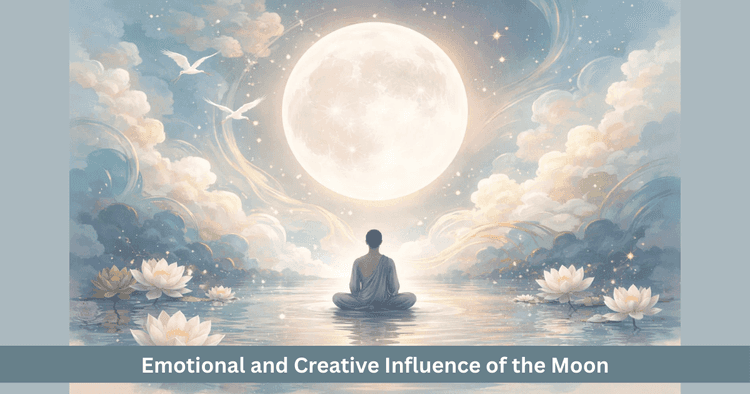
Table of Contents
Since ancient times the moon has been regarded as a deep symbol of dreams and imagination. Artists poets scholars and seekers have been drawn to its gentle yet powerful energy. The shimmering light of the moon turns the mind inward and for this reason in astrology the moon is not seen as only a celestial body but as a marker of emotional life and inner sensitivity. As its phases shift the inner waves of feeling also change and the overall rhythm of life is quietly influenced.
Role of the Moon in Vedic Astrology
In Vedic astrology the moon is considered an especially important graha. Its placement in the horoscope is treated as a key indicator of life potential and personal destiny. The sign occupied by the moon at the moment of birth becomes the moon sign and forms the base of one’s mental nature.
By observing the position of the moon at birth astrologers try to understand the direction of the life path. It is believed that just as the moon’s phases influence the tides of the ocean its transits and position shape mental states and emotional fluctuations. This link with the moon extends beyond the physical and reaches into subtler psychological levels.
Emotional and Creative Influence of the Moon
While looking at the moon in the stillness of night the heart often becomes naturally more emotional. Its cool light falls softly on the eyes and awakens hidden sensitivity within. The energy of the moon can stir imagination and bring new inspiration in art music writing and painting as well as other creative paths.
Where the sun represents heat and activity the moon reflects an introverted nature and gentle receptivity. It is connected with that part of us which thinks feels and reflects in silent moments. For this reason the connection between the moon and emotions is considered extremely deep in astrology.
Relationship of the Moon with the Mind
In astrology the moon is treated as the significator of the mind. It represents our thoughts feelings and those subtle experiences that arise in quiet periods. After a busy day when night arrives the mind turns inward and this is the time when the influence of lunar energy is more clearly felt.
The period of nightly rest and mental recovery is regarded as governed by the moon. Our dreams often mirror those deep patterns that might be ignored during the waking state. The house and sign where the moon is placed in the horoscope point towards the nature of subconscious tendencies and their roots.
How Different Moon Signs Influence a Person
Each moon sign colours behaviour and mental structure in a distinct way.
- A moon in Aries can make emotional reactions more impulsive yet gives enthusiasm and a pioneering spirit.
- A moon in Taurus usually grants stability of mind and a strong liking for comfort and security.
- A Gemini moon often brings a restless and curious mind whose feelings may change quickly and are drawn towards varied experiences.
- A Cancer moon indicates strong emotionality and deep attachment to family and home.
- A Leo moon can make expression somewhat dramatic and create a special need for recognition and creativity.
- A moon in Virgo tends to give a more reserved and analytical nature where responses are practical and focused on detail.
Studying these moon signs shows how a person experiences the inner world and moves through different emotional experiences.
Lunar Calendar and Its Cultural Meanings
Many ancient civilizations have used a lunar calendar for measuring time. This calendar is based on the phases of the moon in which Amavasya and Pournami act as important turning points in the lunar month. Numerous religious and social activities are scheduled with reference to these days.
Lunar Calendars in Different Cultures
In Chinese culture the lunar calendar marks the start of the Chinese New Year, celebrated as the first day of the lunar year. Festivals like the Mid Autumn Festival are also observed on fixed dates of the lunar month where the full moon holds special significance.
In the Islamic tradition the Hijri calendar is purely lunar. It has twelve lunar months and major observances such as Ramadan Eid al Fitr and Eid al Adha are decided by the sighting of the moon. This calendar guides festival dates daily worship and the timing of the Hajj pilgrimage.
In Hindu culture the panchang combines lunar and solar measures yet lunar days such as Amavasya and Pournami are of high importance. Festivals like Diwali Holi and many vows and fasts follow this lunar calculation. In Vedic astrology eclipses yogas and auspicious muhurta are also determined with careful attention to lunar phases.
In the Jewish tradition the calendar is lunisolar, where months follow the moon and years are aligned to the seasons by the sun. Festivals such as Passover and Yom Kippur are set through this system so that the holy days remain in harmony with the agricultural cycle.
The Mayan civilization also honoured lunar cycles within its calendar. Important agricultural work and ceremonial events were often aligned with the waxing and waning of the moon and particular days were selected accordingly.
Energetic Power of the Moon
Vedic astrology regards the energy of the moon as highly powerful because of its closeness to the earth. Amavasya and Pournami are seen as periods when lunar energy can be felt more strongly than on ordinary days.
Amavasya is usually considered favourable for introspection and setting new intentions. On this day the sky is covered in darkness and the absence of moonlight reminds us of inner silence and depth. Pournami on the other hand is linked with growth, strong emotional intensity and the sense of visible results.
Understanding the different stages of the lunar cycle helps a person align actions and feelings with a more natural rhythm. Those who adjust their decisions and routine to these phases often report greater clarity and emotional balance.
Introspection and Practice during Amavasya
In Vedic tradition Amavasya is viewed as a period of deep self reflection. When the moon’s light almost disappears the mind naturally turns inward. In such a time quiet meditation mantra recitation and gentle spiritual practice help a person recognise true emotional needs more clearly.
People who meditate in silence or regularly write their thoughts on Amavasya often feel that their goals and priorities for the coming month become clearer. Some light a small lamp in their home or place of worship and establish new intentions in that atmosphere. In this way Amavasya can be seen as a form of inner cleansing and preparation for a new beginning.
Growth and Initiation at Pournami
When the moon is fully bright at Pournami feelings tend to emerge in a more direct and energetic manner. Vedic astrology treats this as a point of completion within the month. It is a suitable time to focus on work that needs to be advanced or raised to a new level.
Many practitioners choose the full moon night for meditation japa or sadhana because concentration and emotional strength may be easier to access. For personal growth and inner harmony this phase supports giving momentum to efforts and initiating positive change.
Moon as a Path to Inner Happiness
Astrology views the moon as a symbol of inner happiness and contentment. It is often compared to a Great Mother or nourishing force that offers peace and support to the mind. When a person aligns life even partly with the rhythm of lunar cycles there is often a noticeable increase in inner stability and calm.
By understanding the condition and periods of the moon one can see which times are best for reflection which for development and which for releasing unnecessary burdens. In this sense the moon becomes not only a ruler of emotions but also a gentle guide towards inner joy.
Summary Table of Moon Signs and Effects
| Moon Sign | Main Emotional Effects |
|---|---|
| Aries | Quick reactions enthusiasm and initiative |
| Taurus | Steady mind desire for comfort and security |
| Gemini | Changeable thoughts attraction to varied experiences |
| Cancer | Deep sensitivity and strong link with home and family |
| Leo | Expressive nature need for creativity and recognition |
| Virgo | Analytical outlook practical thinking and restraint |
Common Questions on Importance of Moon in Astrology
What role does the moon play in Vedic astrology?
In Vedic astrology the moon represents the mind emotions and mental state. Its placement shows how a person responds emotionally and what type of intuition and psychological balance is likely.
How does the moon’s placement at birth influence life?
The sign and house of the moon shape emotional tendencies, mental strength and particular challenges. They indicate how a person reacts to situations what emotional needs they hold and how they care for and nourish others.
How do different phases of the moon affect emotions and behaviour?
Amavasya is linked with introspection and new intentions while Pournami relates to an emotional high point and greater clarity. The waxing phase supports growth and expansion and the waning phase favours letting go and becoming more light inwardly.
What is the main difference between Amavasya and Pournami in the Vedic view?
Amavasya is a time for inner quiet, self reflection and planning new beginnings. Pournami is associated with completion abundance and achievement, when the results of effort can be seen with stronger clarity.
How does understanding lunar cycles help in personal growth?
When a person plans important activities around the energy of Amavasya Pournami and the intermediate phases actions fall in tune with natural rhythm. This supports goal setting, emotional management and timely decision making, which together nurture lasting balance and inner contentment.
Get your accurate Kundali
Generate KundaliDid you like it?
Author

Pt. Narendra Sharma (63)
Experience: 20
Consults About: Family Planning, Career
Clients In: Punjab, Haryana, Delhi
Share this article with friends and family
WELCOME TO
ZODIAQ
Right Decisions at the right time with ZODIAQ
