What Is The Academic Significance Of Chaitra Month For Students?
By Pt. Amitabh Sharma
New Academic Session, Focus Science, Surya-Saraswati Sadhana And Study Vastu
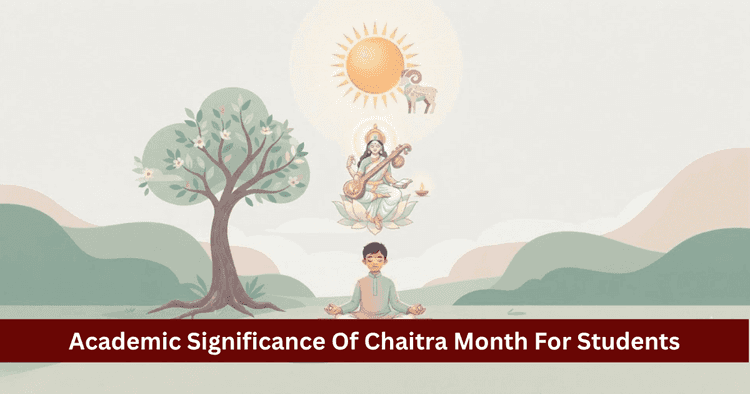
Table of Contents
Panchang Description And The Astrological Dimensions Of Academic Inceptions
Within the classical taxonomy of the Vedic calendar, Upanishadic pedagogical traditions and the institutional frameworks of traditional Indian schooling, the inaugural month of Chaitra marks the foundational anchor for the entire academic calendar. Across primary institutions, collegiate universities and traditional gurukulas, the commencement of the new academic session aligns intentionally with the first fortnight of April-the heart of Chaitra. This alignment is grounded in environmental physics, the solar northern traversal (Uttarayana) and the neuro-biological rhythms of the human brain.
From an astronomical perspective, Chaitra marks the seasonal transition where Lord Surya Deva advances toward maximum exaltation within Aries. In classical predictive astrology, the Sun represents inner vitality, sovereign confidence and cognitive focus (Dharana), while Goddess Saraswati and Mercury (Budha) govern analytical intellect, articulation and memory retention. The warming vernal atmosphere of Chaitra clears winter lethargy. Rising solar radiation stimulates botanical growth, mirroring an internal awakening of cognitive curiosity, intellectual ambition and mental stamina in students. Engaging in conscious solar and contemplative disciplines during this seasonal threshold stabilizes academic retention and clarity for the year ahead.
| Astrological Factor | Scriptural, Pedagogical and Neuro-Biological Detail |
|---|---|
| Calendrical Station | Chaitra Month (Spring-Summer Threshold / Academic Session Opening) |
| Primary Solar Ingress | Sun Exalted in Aries (Vitality, Executive Focus, Willpower) |
| Presiding Sovereign Divinities | Goddess Nila Saraswati, Mother Sharada, Lord Surya Narayana, Ganesha |
| Governing Planetary Alignments | Mercury (Logic, Mathematics), Jupiter (Wisdom), Sun (Concentration) |
| Elemental Harmonization | Dynamic balance of Fire (Intellectual Radiance) and Air (Thought Flow) |
| Common Student Roadblocks | Academic anxiety, fragmented attention, digital fatigue, memory lapses |
| Core Contemplative Practices | Dawn hydration (Ushapan), Solar libations, Gayatri Mantra, Saraswati Japa |
| Auspicious Study Orientation | Facing North-East (Ishanya) or Direct East (Purva) |
| Bestowed Academic Fruit | Single-pointed focus, photographic memory, relief from examination fear |
To ground personal study habits in sustainable vitality and optimize cognitive performance for the new academic year, students should integrate disciplined morning practices from early dawn:
- Awaken before sunrise during Brahma Muhurta (between 04:30 AM and 05:30 AM), leaving bed promptly upon waking.
- Gaze upon your open palms while reciting the traditional Sanskrit verse Karagre vasate Lakshmi..., grounding awareness before touching the earth.
- Drink two glasses of ambient water stored overnight in an unblemished copper vessel (Ushapan) while seated, activating metabolism and morning alertness.
- Stand facing eastward after ablutions, pouring a continuous stream of water enriched with red sandalwood powder and unbroken rice to Surya Deva from a copper pitcher.
- Recite the classical Gayatri Mantra or the Surya Gayatri at least eleven times facing the morning sun to steady cognitive focus.
- Inscribe auspicious emblems-the Swastika and the seed syllable AIM or OM-upon the flyleaf of all new notebooks and textbooks using red sandalwood paste.
- Position your study desk in the northeastern or eastern quadrant of the room, keeping the surface organized and unburdened by excess clutter.
- Practice two minutes of Bhramari Pranayama (humming bee breath) prior to opening books to quiet mental chatter.
- Maintain a satvic, nourishing diet rich in fresh produce, roasted grains and water, avoiding processed foods and daytime sleep.
Neuro-Biology And Chronobiology: Brain Plasticity In Chaitra
Contemporary neuroscience and classical Ayurveda demonstrate that environmental light and seasonal changes directly shape cognitive performance:
1. Regulating Melatonin and Serotonin Production
During short winter days, prolonged darkness increases melatonin production, promoting physical lethargy and sluggish morning cognition.
- In Chaitra, increasing daylight stimulates the pineal gland, suppressing daytime melatonin and elevating serotonin, the neurotransmitter of alert focus and emotional poise.
- This seasonal shift primes cerebral neural pathways for processing novel conceptual frameworks, complex mathematical formulations and analytical texts.
2. The Gut-Brain Axis and Cognitive Endurance
As spring transitions into summer, metabolic digestive capacity moderates. Replacing heavy, oily foods with lighter seasonal fare (such as roasted sattu, seasonal melons and fresh buttermilk) prevents sluggish digestion. A light digestive tract supports cerebral blood flow to the prefrontal cortex, enhancing problem-solving speed and working memory.
| Environmental Dynamic | Somatic and Neuro-Chemical Action | Tangible Student Benefit |
|---|---|---|
| Increasing Solar Radiance | Elevated serotonin synthesis, alertness | Ease in waking early; elimination of morning brain fog |
| Moderate Vernal Temperatures | Dissolution of excess respiratory kapha | Sustained focus during long study sessions |
| Ambient Atmospheric Oxygenation | Enhanced cellular respiration in neurons | Noticeable improvement in memory retention |
| Chitra Asterism Ingress | Sharpened analytical focus | Enhanced aptitude for mathematics, coding and sciences |
Consecrating New Books: Honoring The Tools Of Learning
In Vedic tradition, knowledge is not viewed as dry information; it is revered as the living presence of Mother Sharada. Consecrating new study materials at the beginning of the academic year cultivates respectful, intentional study habits:
Protocol for Preparing New Textbooks
- Purification: Lightly sprinkle fresh water infused with Ganga drops across new books and notebooks.
- Sacred Inscriptions: On the opening flyleaf of every major subject notebook, inscribe OM or the Saraswati seed formula AIM using red vermilion or sandalwood paste, accompanied by an auspicious Swastika.
- The Peacock Feather: Place an unblemished peacock feather within major foundational texts (such as mathematics or physics). Symbolically associated with clarity and focus, it serves as a visual cue for attention.
- Consecrating Writing Instruments: Touch pens and instruments to the altar of Goddess Saraswati, making an internal commitment to use them with honesty, dedication and integrity.
Solar And Saraswati Sadhana: Developing Focus And Memory
Two traditional contemplative practices support academic learning by steadying attention and enhancing memory:
1. Solar Contemplation (Surya Sadhana for Focus)
The Sun is the center of the solar system; aligning personal habits with the solar cycle grounds circadian rhythms and builds stamina:
- Solar Libation Formula:
Ehi Surya sahasramsho tejorashe jagatpate.
Anukampaya mam bhaktya grihanarghyam divakara. - Gentle Gaze (Trataka): Gaze steadily at the gentle crimson disc of the rising sun for one to two minutes at dawn. This practice calms rapid eye movements, steadying attention for extended reading.
2. Saraswati Sadhana (Cultivating Memory and Intuitive Wisdom)
Mother Saraswati represents eloquence, creative insight and learning. Students should meditate upon her peaceful manifestation:
- The Saraswati Seed Formula:
Om Aim Sarasvatyai Namah.
- Acoustic Humming: Producing an extended, vocalized resonance of the syllable AIM three times prior to studying calms racing thoughts and centers awareness.
| Contemplative Practice | Optimal Time | Sacred Medium / Formula | Cognitive and Practical Benefit |
|---|---|---|---|
| Surya Arghya | Sunrise (Arunodaya) | Copper pitcher, water, red sandalwood | Dispels self-doubt; builds confidence |
| Gayatri Mantra | Following solar libations | 11 vocalized repetitions | Clear logical reasoning; emotional balance |
| Saraswati Japa | Five minutes before study | Reciting Om Aim Namah | Eases exam anxiety; improves recall |
| Bhramari Pranayama | Late afternoon | 5 cycles of humming breath | Relieves digital eye strain and mental fatigue |
Vastu Guidelines For The Student Study Environment
Spatial arrangements directly influence mental clarity and study endurance. The student's workspace should reflect foundational Vastu principles:
- Direction of Facing: A student should sit facing East or North while studying. East supports vitality and solar focus, while North encourages analytical precision. Avoid facing direct South, which can promote lethargy and restlessness.
- Desk Organization: Use a square or rectangular desk, avoiding irregular or circular shapes. Keep the surface clear of unrelated clutter, keeping only the text currently being studied in view.
- Lighting Design: Ambient light should illuminate the desk from over the student's left shoulder, preventing glare and eye fatigue.
- Color Palette: Walls in the study space should feature soft celadon green, warm ivory or pale yellow, avoiding dark, heavy tones that cause mental sluggishness.
Five Practical Habits For Academic Excellence
Spiritual practices yield their best results when paired with disciplined study habits:
- The 45-15 Rhythm: Studying continuously for four hours without breaks causes cognitive fatigue. Study with complete focus for 45 minutes, followed by a 15-minute rest away from screens-walk, drink water or stretch gently.
- Active Recall and Note-Taking: Passive reading creates an illusion of mastery. Taking handwritten notes and summarizing concepts in your own words moves information into long-term memory.
- Digital Boundaries: Place smartphones in another room or set them to 'Do Not Disturb' during study blocks. Interruptions from notifications disrupt cognitive flow and focus.
- Mindful Hydration: Keep fresh water in an unglazed clay flask or copper bottle on your desk, sipping every 30 minutes to sustain focus and prevent fatigue.
- Constructive Self-Talk: Reframe negative self-assessments. Replace "I cannot understand this topic" with "This concept is challenging but with patience and practice I will grasp it."
Philosophical Essence: Knowledge Ripens Into Humility
The arrival of Chaitra and the new academic year impart an enduring truth: The highest purpose of education is not mere credentialing or financial security but the cultivation of character, discernment and humility.
A classical Sanskrit aphorism reminds us:
Vidya dadati vinayam vinayad yati patratam.
Patratvad dhanam apnoti dhanad dharmam tatah sukham.
True learning ripens into humility (Vinaya). Just as a branch heavy with ripe fruit bends gracefully toward the earth, an educated mind grows gentle, respectful and open to continuous learning.
As the new academic cycle begins, let students welcome not only new books but also a renewed commitment to discipline, curiosity and ethical purpose, walking the path of learning with quiet confidence and joy.
FAQ
What is the ideal time of day for academic study?
The early morning hours of Brahma Muhurta (04:30 AM to 06:30 AM) provide optimal mental focus, as environmental noise is minimal and cognitive receptivity is high.
Which direction should a student face while studying?
Students should sit facing East or North orientations that support alertness and analytical clarity.
Which mantra supports memory and intellectual retention?
Chanting the classical single-syllable seed formula Om Aim Namah or Om Aim Sarasvatyai Namah centers the mind and supports memory retention.
What is the purpose of inscribing sacred symbols on new textbooks?
Inscribing OM or the Swastika honors the texts as tools of learning, encouraging careful handling and focused study habits.
Which dietary habits should students avoid during Chaitra?
Students should avoid oily, heavy fried foods, processed snacks and daytime sleep, which induce sluggishness and weaken mental focus.
Get your accurate Kundali
Generate KundaliDid you like it?
Author

Pt. Amitabh Sharma (56 Years)
Experience: 20
Consults About: Family Planning, Career
Clients In: Punjab, Haryana, Delhi
Share this article with friends and family
WELCOME TO
ZODIAQ
Right Decisions at the right time with ZODIAQ
