What Are The Dietary Guidelines And Seasonal Codes For Chaitra Month?
By Aparna Patni
'Renounce Jaggery In Chaitra', Sattu Diet, Terracotta Hydration And Humoral Balance
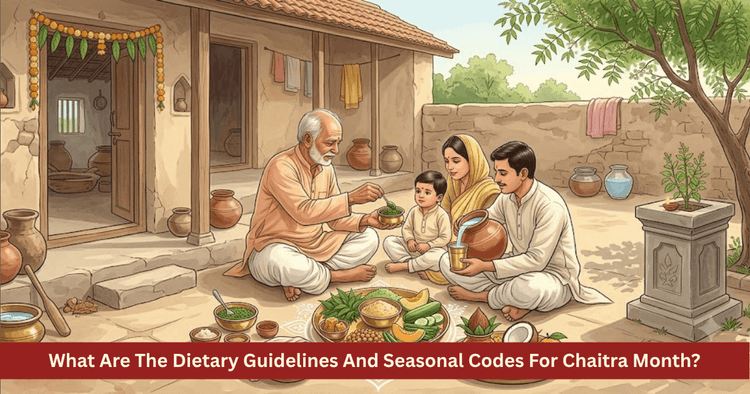
Table of Contents
Panchang Description And The Astrological Dynamics Of Chaitra Dietetics
Within the mathematical chronology of the classical Vedic calendar and the experiential clinical literature of Ayurveda, the month of Chaitra marks the foundational seasonal threshold connecting the temperate breezes of late spring (Vasanta) with the dry thermal heat of approaching summer (Grishma). Astronomically, Lord Surya Deva departs from the watery boundary of Pisces to traverse the fiery sign of Aries, causing ambient solar radiation and terrestrial temperatures to rise. This environmental heating directly influences the human metabolic digestive fire (Jatharagni), somatic tissue metabolism and the equilibrium of the three biological humors (Vata, Pitta and Kapha).
Classical Ayurvedic treatises and the Bhavishya Purana establish a strict seasonal dietary injunction for this period: Chaitre gudam tyajet-stipulating that the consumption of aged unrefined jaggery must be discontinued throughout Chaitra. Conversely, this month requires honoring clean, naturally cooled water, adopting bitter (tikta) and astringent (kashaya) tastes and relying on easily assimilated, cooling grains. Ignoring these dietary transitions causes winter-accumulated kapha to liquefy and combine with rising pitta, triggering seasonal fevers, dermatological eruptions, gastrointestinal inflammation and chronic fatigue.
| Astrological and Physiological Factor | Scriptural, Ayurvedic and Climatic Detail |
|---|---|
| Lunar Month and Season | Chaitra Month (The Junction of Vasanta and Grishma) |
| Solar Transit and Direction | Solar Transit from Pisces to Aries (Ascending Northern Traversal) |
| Biological Humor Status | Liquefaction of Kapha and Seasonal Accumulation of Pitta |
| Metabolic Digestive Fire | Mandagni (Diminished Digestive Fire Requiring Light Foods) |
| Primary Prohibited Consumables | Aged Jaggery, Heavy Oils, Fried Foods, Urad Dal, Stale Foods |
| Primary Prescribed Consumables | Earthen Pot Water, Rock Sugar, Barley/Gram Sattu, Cucumbers buttermilk |
| Prescribed Taste Focus | Bitter (Tikta), Astringent (Kashaya) and Naturally Cooling Sweet (Madhura) |
| Sovereign Presiding Powers | Lord Dhanvantari (Divine Physician) and Lord Surya Narayana |
| Bestowed Health Fruit | Blood Purification, Liver Protection, Immunity, Longevity |
To protect the physiology from seasonal imbalances and maintain physical and mental clarity, a practitioner should observe disciplined dietary decorum from early dawn:
- Awaken before sunrise during Brahma Muhurta, drinking two to three glasses of ambient water stored overnight in a pure copper vessel (Ushapan) before oral cleansing.
- Chew four to five fresh, tender neem leaves on an empty stomach to purify the bloodstream and clear lingering microbes.
- Eliminate fried, heavily spiced, stale, excessively salty and oily foods from the daily diet.
- Replace jaggery and refined white sugar with unrefined rock sugar (mishri) or raw honey used sparingly.
- Consume a glass of freshly churned buttermilk seasoned with roasted cumin seeds, fresh mint and rock salt alongside the midday meal.
- Maintain consistent cellular hydration by drinking cool water stored in unglazed terracotta urns, coconut water or wood apple (bael) sherbet.
- Eat a light, easily digestible evening meal (such as split yellow moong dal with rice or cracked wheat porridge) at least two hours before sleep.
- Sit facing eastward in silence during meals, offering gratitude to Lord Dhanvantari and the life-sustaining elements before eating.
- Refrain from sleeping during daylight hours, as daytime sleep in Chaitra sharply aggravates both kapha and pitta.
"Chaitre Gudam Tyajet": The Scientific Rationale For Renouncing Jaggery
The classical Ayurvedic calendar provides a memorable diagnostic verse outlining seasonal prohibitions:
Chaitre gudam na seveta Vaishakhe tailavarjanam.
Jyeshthe cha takram tyaktavyam Ashadhe navavaridam.
Meaning: In Chaitra, renounce jaggery; in Vaishakha, renounce heavy oils; in Jyeshtha, avoid buttermilk; and in Ashadha, avoid drinking the initial unboiled rainwater.
1. Thermal Energetics and Pitta Accumulation
- Heating Energy (Ushna Veerya): Jaggery is naturally heating, unctuous and heavy to digest. In winter, it generates internal warmth and supports energy; in Chaitra, when environmental heat is already rising, consuming it overheats the metabolic fire.
- Blood Impurities (Rakta Dushti): Consuming jaggery during rising heat increases the acidity of the blood, contributing to skin eruptions, boils, nosebleeds, burning sensations in the eyes and concentrated, burning urination.
- Clogging Liquefied Kapha: As winter kapha melts under the spring sun, jaggery's unctuous stickiness traps these fluids in the respiratory passages and bronchial pathways, worsening seasonal bronchitis, allergies and catarrh.
The Seasonal Dietary Blueprint: Foods To Embrace And Avoid
In Chaitra, meals should soothe the system, digest easily and avoid overburdening the gastrointestinal tract:
Recommended Nourishing Foods
- Roasted Barley and Gram Flour (Sattu): The dietary foundation of the season, sattu supplies plant protein and minerals while naturally cooling the digestive tract throughout the day.
- Cucumbers, Armenian Cucumbers and Melons: Containing over ninety percent bioavailable water, these vegetables balance cellular electrolytes and prevent summer dehydration.
- Unrefined Rock Sugar (Mishri): Naturally cooling in metabolic action, rock sugar soothes gastric bile without creating the heating side effects of jaggery.
- Fresh Spiced Buttermilk (Takra): Consumed at midday with roasted cumin and fresh mint, fresh buttermilk replenishes beneficial gut flora and aids light digestion.
- Wood Apple Fruit (Bael): Ripening naturally during Chaitra, bael fruit sherbet soothes intestinal inflammation, chronic constipation and dysentery.
- Tender Neem Shoots and Guduchi: Bitter tonics that cleanse the lymphatic system and protect the liver.
Prohibited Consumables
- Aged Jaggery and Thick Sugarcane Syrup: The primary causes of seasonal bile aggravation and blood toxicity.
- Deep-Fried and Heavily Spiced Preparations: Foods laden with red chilies and unrefined fats compromise the digestive fire, promoting gastric ulcers.
- Black Gram (Urad Dal): Heavy and gas-forming, urad dal causes abdominal bloating and constipation during periods of reduced digestive fire.
- Stale and Refrigerated Leftovers: Higher spring temperatures accelerate bacterial proliferation, making leftover foods prone to causing gastrointestinal distress.
- Excessive Tea and Coffee: Highly caffeinated beverages act as diuretics, accelerating dehydration.
| Food Category | Recommended (What to Eat) | Prohibited (What to Avoid) | Physiological Consequence |
|---|---|---|---|
| Sweeteners | Unrefined rock sugar, light raw honey | Aged jaggery, synthetic corn syrup | Bile regulation vs. blood toxicity |
| Hydration | Terracotta-cooled water, bael sherbet buttermilk | Refrigerated iced water, sodas | Protecting gut lining vs. digestion shock |
| Grains & Legumes | Roasted barley, chickpeas, split moong dal | Whole black urad dal, refined white flour | Easy assimilation vs. bloating and gas |
| Vegetables | Pointed gourd, bottle gourd, bitter melon, cucumber | Eggplant, heavy jackfruit, root tubers | Systemic cooling vs. internal burning |
| Seasonings | Roasted cumin, fennel, mint, coriander, rock salt | Excessive red chili, garam masala, cloves | Kindling digestion vs. stomach acidity |
The Value Of Clean Water: Ushapan And Earthenware Cooling
In Chaitra, proper hydration becomes a foundational health practice, treating water as an active medicine:
1. The Practice of Ushapan (Dawn Hydration)
Drinking two to three glasses of ambient water at dawn before brushing the teeth is known as Ushapan.
- Saliva accumulated overnight is naturally alkaline.
- When carried into the stomach with water, it gently neutralizes residual hydrochloric acid from the night.
- This stimulates healthy intestinal peristalsis, allowing the bowels to clear smoothly without strain.
2. The Bio-Physics of Terracotta Urn Water
Ayurveda prescribes cooling water in unglazed clay pots rather than using mechanical refrigeration:
- Stable Temperature Regulation: Clay pots cool water to a gentle 18°C to 22°C through evaporation, chilling it without shocking respiratory tissues or inflaming vocal cords.
- Natural Mineral Balance: Porous clay absorbs environmental impurities while releasing trace calcium and magnesium into the water.
- Living Water: Terracotta water remains energetic and bioavailable, unlike stagnant water stored in artificial containers.
The Six Tastes: The Protective Value Of The Bitter Taste
In the Ashtanga Hridayam, Sage Vagbhata notes that balancing health during the spring transition requires increasing bitter (tikta) and astringent (kashaya) tastes.
- The Bitter Taste (Bitter Melon, Neem, Pointed Gourd, Fenugreek): Eliminates sluggishness, clears parasitic overgrowth, soothes skin irritations and helps metabolize excess fat.
- The Astringent Taste (Roasted Sattu, Terminalia Chebula, Amla): Dries excess liquefied bodily humors, supports cellular recovery and stabilizes tissue tone.
Integrating small portions of bitter melon, neem shoots or pointed gourd into the daily diet during Chaitra shields the skin from seasonal breakouts and allergic reactions throughout the summer.
Philosophical Essence: Dietary Restraint Cultivates Awareness
The dietary codes of Chaitra reveal an essential truth: Food is not mere fuel; it shapes the quality of human consciousness.
The Chandogya Upanishad affirms: Ahara-shuddhau sattva-shuddhih-When diet is pure and aligned with natural seasons, the mind becomes clear and tranquil; and when the mind is clear, deeper wisdom takes root.
Renouncing jaggery during this month is more than a dietary adjustment; it is a practical discipline in moderating sensory desires. An individual who learns to adapt their appetite to natural cycles masters personal impulses with grace.
As Chaitra unfolds, let us align our kitchens with seasonal wisdom, trading the heating qualities of jaggery for the cooling nourishment of clean water, building a grounded, healthy foundation for the year ahead.
FAQ
Why is jaggery prohibited during the month of Chaitra?
Jaggery is heating and heavy; consuming it during the rising heat of Chaitra increases systemic bile and internal heat, contributing to skin eruptions and nosebleeds.
What natural sweeteners should replace jaggery in Chaitra?
Unrefined rock sugar (mishri), raisins and moderate amounts of raw honey are recommended for their naturally cooling properties.
What is the proper method for practicing Ushapan in the morning?
Drink two to three glasses of ambient water stored overnight in a copper or terracotta vessel at dawn, sipping it while seated before brushing the teeth.
Which lentil is most beneficial in Chaitra and which should be avoided?
Split yellow moong dal is light, cooling and highly recommended, while black gram (urad dal) should be avoided due to its heavy, heating nature.
At what time of day should sattu be consumed?
Sattu is best consumed at breakfast or lunch mixed with cool water, roasted cumin and rock salt or mishri; it should not be eaten late in the evening.
Get your accurate Kundali
Generate KundaliDid you like it?
Author

Aparna Patni (63)
Experience: 20
Consults About: Family Planning, Career
Clients In: Punjab, Haryana, Delhi
Share this article with friends and family
WELCOME TO
ZODIAQ
Right Decisions at the right time with ZODIAQ
