What Is The Glory Of Sheetala Ashtami (Basoda) In Chaitra?
By Pt. Narendra Sharma
Stale Food Offerings, Epidemic Immunity And Ayurvedic Science
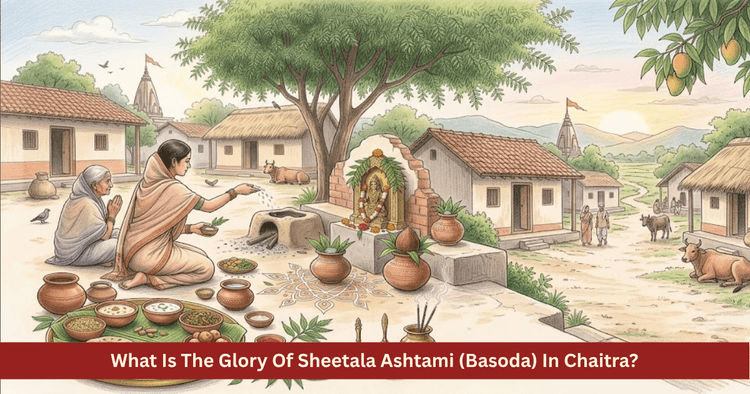
Table of Contents
Panchang Description And The Astrological Dynamics Of Sheetala Ashtami
According to the classical mathematical chronology of the Vedic calendar, the eighth lunar day (Ashtami) of the dark fortnight (Krishna Paksha) of the month of Chaitra is celebrated across northern, western and central India as Sheetala Ashtami-popularly known as Basoda. Occurring on the eighth day following Holika Dahan, this sacred date marks a critical seasonal threshold. Astronomically, the final traces of winter (Shishira) dissolve, giving way to the intensifying heat of radiant summer (Grishma). As the Sun navigates the sensitive junction between Aquarius and Pisces, ambient atmospheric heat and dry air currents trigger a rapid proliferation of dormant environmental pathogens and viral microorganisms.
Classical treatises-specifically the Nagara Khanda of the Skanda Purana-record that during this seasonal juncture, the human physiology experiences an acute vulnerability to aggravated pitta and liquefying kapha. This biological imbalance manifests as eruptive viral fevers, smallpox, measles, chickenpox, cutaneous eruptions and ophthalmic inflammation. Mother Sheetala is venerated as the presiding divinity of systemic cooling, hygiene and pathogen protection. On this day, traditional households observe a strict embargo against kindling domestic fires or cooking fresh food, partaking exclusively of cold, pre-cooked dishes prepared upon Saptami.
| Astrological and Astronomical Factor | Classical Scriptural and Ayurvedic Description |
|---|---|
| Lunar Month and Fortnight | Chaitra Month, Krishna Paksha (Dark Fortnight) |
| Lunar Tithi | Ashtami (Eighth Lunar Day) |
| Canonical Liturgical Titles | Sheetala Ashtami, Basoda, Sheetala Pujan |
| Seasonal Transition Matrix | Culmination of Late Winter-Spring, Onset of Summer |
| Presiding Transcendental Deity | Mother Sheetala (Sovereign of Hygiene and Antiviral Immunity) |
| Divine Mount and Sacred Imblems | The Donkey, Hand Broom, Winnowing Basket, Water Pot, Neem |
| Sacramental Food Offerings | Chilled sweet rice (Oliya), rabdi, puffed fritters (gulgule), flatbreads |
| Bestowed Physiological Benefit | Pacification of Bile, Blood Cleansing, Protection from Viral Fevers |
To ensure complete domestic hygiene and secure the protective grace of Mother Sheetala, the household must observe disciplined protocols starting from early dawn:
- Awaken before sunrise during Brahma Muhurta and bathe strictly in cool, unheated water enriched with boiled neem extract and sacred river drops.
- Refrain entirely from lighting domestic cooktops, hearths, ovens or open flames; bathing in heated water is also strictly prohibited.
- Present only the cold, unheated dishes prepared cleanly on the evening of Saptami (such as sweet rice oliya, flatbreads and rabdi) before Mother Sheetala.
- Ensure all water used in liturgical rites is naturally cooled in unglazed earthenware pots.
- Offer tender neem branches, unboiled fresh milk, yogurt, turmeric, unbroken rice and a pot of cold water at the altar.
- Consume only the sanctified cold food throughout the day, taking a solemn pledge to eliminate stale food from the diet throughout the upcoming summer.
- Sprinkle consecrated neem water across household corners and doorways to neutralize suspended airborne microbes.
- Recite the classical Sheetalashtakam hymn from the Skanda Purana to calm ophthalmic, cutaneous and gastrointestinal inflammation.
The Iconography Of Mother Sheetala In The Skanda Purana
The Skanda Purana presents a symbolic description of Mother Sheetala that outlines the foundational principles of epidemiology, personal hygiene and public sanitation:
Vande-aham Sheetalam Devim rasabhastham digambaram.
Marjani-kalashopetam shurpalankrita-mastakam.
Meaning: I bow before the divine Mother Sheetala, who rides upon an unyielding donkey, remains clad in space (nature personified), wields a cleansing broom and a pot of cool water in her hands and bears a winnowing basket upon her head.
| Sacred Emblem | Physical Representation | Epidemiological and Environmental Value | Spiritual and Physiological Message |
|---|---|---|---|
| The Cleansing Broom (Marjani) | Domestic cleaning tool | Sweeping away particulate dust, mold and pathogens | Purging inward mental negativity and outward filth |
| Pot of Cool Water (Kalasha) | Earthenware water vessel | Regulating body temperature during eruptive fevers | Maintaining systemic hydration, mental tranquility |
| Winnowing Basket (Shurpa) | Grain sifting implement | Separating wholesome grain from chaff and debris | Cultivating intellectual discernment (Viveka) |
| Tender Neem Leaves | Antiviral botanical | Neutralizing fungal, viral and bacterial pathogens | Blood purification, relief from skin eruptions |
| The Donkey (Rasabha) | Hardy, patient mount | Enduring harsh climates and heavy burdens calmly | Emotional equanimity and patience during illness |
Her broom commands that physical living spaces remain free from dust; her water vessel mandates continuous hydration and cooling; her winnowing basket demands the consumption of clean, sifted grains; and her neem foliage provides an effective botanical shield against seasonal infections.
The Science Of Basoda: Seasonal Transitions And Dietary Wisdom
The most distinctive aspect of Sheetala Ashtami is Basoda-the ritual preparation and consumption of food cooked on the previous day. While seemingly paradoxical to modern eyes, this practice carries two practical health functions:
1. Final Seasonal Embargo on Stale Food
In classical Ayurvedic dietetics, food spoils rapidly as ambient temperatures climb in summer, developing dangerous bacterial loads. Sheetala Ashtami serves as the formal closing date for consuming leftover food until the next autumn. Following this festival, households enforce a strict rule against eating stale, fermented or leftover food throughout the hot months. The ritual acts as an annual communal milestone reinforcing food safety guidelines.
2. Probiotics and Intestinal Cooling (Gut Flora)
Dishes cooked on Saptami evening-such as rice steeped in buttermilk or milk (oliya) and barley or millet flour porridge (rabdi)-undergo overnight lactic acid fermentation inside porous clay pots.
- This natural fermentation populates the food with beneficial probiotic cultures (Lactobacillus species).
- Consumed cold on Ashtami morning, these probiotics neutralize gastric hyperacidity and soothe the intestinal lining.
- Strengthening the gut microbiome prepares human metabolism to resist seasonal diarrheal infections, typhoid and heat exhaustion throughout summer.
Traditional Culinary Preparations Of Basoda
Dishes prepared on the eve of Sheetala Ashtami are tailored to stabilize the body's internal humors:
- Sweet and Savory Oliya (Yogurt-Rice): Cooked rice steeped overnight in fresh milk or curd, lightly seasoned with unrefined sugar or roasted cumin and rock salt. This preparation pacifies systemic pitta and soothes gastric inflammation.
- Millet / Barley Rabdi: Flour simmered in diluted buttermilk and allowed to cool overnight in terracotta pots, forming a traditional barrier against summer heatstroke.
- Gulgule (Sweet Fritters) and Suhali: Whole wheat dumplings sweetened with raw jaggery and spiced gram flour crisps that supply calories without spoiling quickly.
- Ker-Sangri / Panchkuta: A dehydrated desert vegetable preparation native to Rajasthan and central India, naturally rich in minerals and resistant to spoilage without refrigeration.
Liturgical Protocol For Sheetala Ashtami
To conduct the traditional worship of Mother Sheetala on Chaitra Krishna Ashtami, observe the following liturgical sequence:
- Morning Purification: Awaken before sunrise, bathing exclusively in cool, unheated water. Dress in clean cotton vestments.
- Arranging the Altar Plate: Place the cold dishes prepared the previous evening-oliya, fritters, flatbreads and dried vegetables-upon a brass platter, alongside vermilion, turmeric, unbroken rice, henna, sacred thread and an earthenware pot of fresh water.
- Temple or Domestic Shrine: Visit a local shrine dedicated to Mother Sheetala or sit facing northward within the home sanctuary.
- Liturgical Offerings: Offer cold water at the feet of the Divine Mother. Apply marks of turmeric, vermilion and cooling henna. Present the cold dishes, fresh neem sprigs and durva grass blades before her image.
- Blessing of Eyes and Throat: Take a small quantity of the consecrated water from the urn, gently applying it over the eyelids and sipping a few drops to protect the sensory pathways from inflammation.
- Veneration of Cleaning Implements: Mark the household broom with turmeric and vermilion in recognition of its role in maintaining sanitation and sprinkle consecrated water across the entrance threshold.
The Classical Hymn: Sheetalashtakam
Reciting the Sheetalashtakam hymn from the Skanda Purana invokes protection against eruptive illnesses, skin blemishes and summer fevers:
Vande-aham Sheetalam Devim rasabhastham digambaram.
Marjani-kalashopetam shurpalankrita-mastakam. 1.
Vande-aham Sheetalam Devim sarvadosha-prashamanim.
Sarvasantapa-nashinim sarvavyadhi-vinashinim. 2.
Mrinalahara-dhavalam chandrakanti-samaprabham.
Namami Sheetalam Devim kamitamrita-varshinim. 3.
Conclude with a heartfelt prayer: "O Mother Sheetala, pacify our systemic heat during this seasonal transition. Protect our household from infectious fevers, ophthalmic afflictions and blood disorders."
Philosophical And Social Dimension
Sheetala Ashtami reflects the integration of environmental science, water conservation and preventive healthcare within Sanatana Dharma.
The festival honors the woman of the household as the guardian of domestic health. By prohibiting the kindling of kitchen fires for an entire day, it provides mothers and homemakers complete relief from heat and smoke. Sheetala Ashtami teaches that when society aligns its habits with seasonal rhythms, practices regular sanitation and treats nature with reverence, domestic life remains protected against seasonal ailments.
FAQ
Why is cold, day-old food consumed on Sheetala Ashtami?
It marks the onset of summer, establishing an annual deadline after which stale food is strictly avoided, while supplying beneficial probiotics to prepare the gut for hot weather.
Is making tea or heating food permitted on Sheetala Ashtami?
No. Traditional rules strictly prohibit kindling domestic fires or operating cooktops on Sheetala Ashtami; only food cooked the previous evening is consumed.
What do the broom and neem sprigs in Mother Sheetala's hands symbolize?
The broom represents cleanliness and the removal of physical dust, while neem leaves represent natural antimicrobial protection against contagious pathogens.
Which physical afflictions are mitigated by worshiping Mother Sheetala?
Her worship is traditionally associated with relief from chickenpox, measles, smallpox, skin boils, acute fevers and seasonal eye irritations.
Why is bathing in warm water prohibited on this day?
Bathing in unheated water helps calibrate the body's internal thermostat to rising ambient spring temperatures, calming excess systemic pitta.
Get your accurate Kundali
Generate KundaliDid you like it?
Author

Pt. Narendra Sharma (63)
Experience: 20
Consults About: Family Planning, Career
Clients In: Punjab, Haryana, Delhi
Share this article with friends and family
WELCOME TO
ZODIAQ
Right Decisions at the right time with ZODIAQ
