Spiritual Mystery of Kartik Snan
By Pt. Abhishek Sharma
Brahma Muhurta, river bathing, Deepdaan and home method
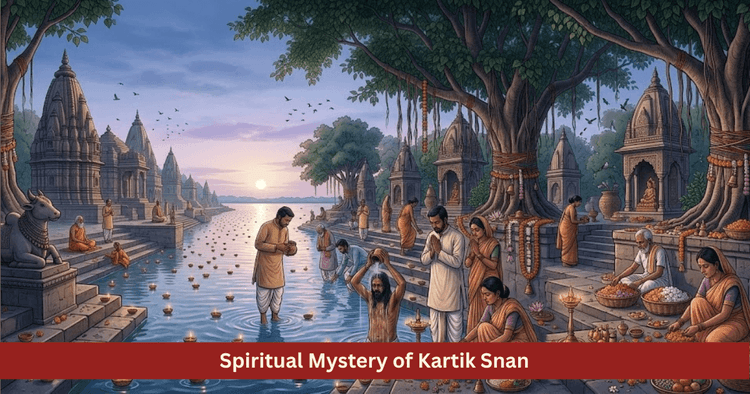
Table of Contents
The Cool Practice of Brahma Muhurta
Kartik Snan refers to the tradition of bathing before sunrise or during Brahma Muhurta in the month of Kartik. It may be performed daily throughout the month, on special tithis or according to personal ability. Bathing, donation and lamp offerings are considered especially meaningful on Kartik Purnima, Devutthana Ekadashi and other sacred days.
Tradition regards bathing in a sacred river, lake or pilgrimage place as especially meritorious. Those who cannot travel to a river or pilgrimage place may bathe at home with clean water. Some families add a few drops of Ganga water and remember Ganga while bathing. This is a religious feeling. Actual cleanliness of water and health safety must still be considered.
Kartik Snan is connected with the reduction of sin and the path of liberation. Its spiritual meaning is that a person takes a resolve to leave old faults, laziness, anger and lack of restraint and begin a purer life. There is no established scientific proof that a dip in cold water automatically removes the karma of many births. The real fruit of bathing is connected with faith, discipline, self correction, service and good conduct.
Primary Order of Kartik Snan
The date and time of Kartik Snan change according to local sunrise and the Panchanga. Brahma Muhurta is generally regarded as the period beginning about 1 hour and 36 minutes before sunrise but the actual time changes according to location and season.
| Detail | General rule |
|---|---|
| Period | Kartik month, especially Shukla Paksha and Kartik Purnima |
| Time | Brahma Muhurta or before sunrise |
| Place | Sacred river, lake, pilgrimage place or clean bathing area at home |
| After bathing | Clean clothes, offering to Surya and remembrance of the Divine |
| Main mantra | Om Namo Narayanaya or Om Vishnave Namah |
| Lamp offering | After sunset in a safe place |
| Donation | Grains, clothes, sesame, jaggery, ghee or useful items |
| Core feeling | Purification, restraint, devotion and service |
| Health rule | Do not force the body into extremely cold water |
Resolve Before Bathing
• Bathe according to the capacity of the body
• Do not pollute water
• Serve or donate after bathing
• Reduce one harmful habit in daily life
• Remember Lord Vishnu, Ganga, Shiva or the chosen deity
• Do not turn bathing into a display
Religious Importance of Kartik Snan
Kartik Snan is mentioned in various Puranic and religious traditions. Morning bathing, lamp offerings, Tulsi worship, remembrance of Vishnu and vows are considered meritorious during this month. Bathing in a river and offering lamps on Kartik Purnima are especially famous traditions.
Religious language says that Kartik Snan destroys sins. Sin here need not be understood only as an invisible punishment. Anger, greed, violence, falsehood, laziness and attachment accumulated within a person may also be understood as psychological forms of sin. When a person regularly bathes, chants, practises restraint and gives charity the person begins to work on these tendencies.
In this way Kartik Snan can become a daily practice of self purification.
| Religious feeling | Practical meaning in life |
|---|---|
| Reduction of sin | Reducing harmful habits |
| Liberation | Freedom from attachment and ego |
| Bathing in a sacred place | Connection with purity and nature |
| Lamp offering | Light during ignorance and despair |
| Donation | Reducing greed and increasing service |
| Mantra japa | Focusing the mind |
Why Is Bathing Performed During Brahma Muhurta?
Brahma Muhurta is regarded as a quiet period of the early morning. The atmosphere is generally calmer. After waking, the mind has less influence from outer activity. For this reason the period is considered useful for japa, meditation, prayer and self observation.
Bathing before sunrise during Kartik begins the day with discipline. It allows a person to observe the body, breath and mind. This practice may increase awareness through the day.
Yet waking during Brahma Muhurta is not equally useful for every person. Someone who works at night, is ill, is pregnant, is elderly or requires adequate sleep may simplify the timing. Bathing while neglecting health cannot be considered spiritual achievement.
Is Cold Water Bathing Necessary?
Some Kartik Snan traditions mention cold water. Bathing in cold water is viewed as a symbol of austerity, restraint and control of the senses. Cold water is not suitable for every body.
Sudden entry into cold water can produce a shock response, changes in blood pressure, muscle contraction and stress on the heart in some people. The risk may increase in rivers, ponds or open water sources.
Precautions for Cold Water Bathing
• Do not force young children into cold water
• Elders and heart patients should seek medical guidance
• Do not enter water suddenly when there is a blood pressure concern
• Take special care in asthma or respiratory illness
• Do not bathe in a river with strong current, fog or extreme cold
• Leave the water immediately if the body begins to shiver severely
• Dry the body properly after bathing
• Do not sit in cold air while wearing wet clothes
Warm water can also be a safe form of Kartik Snan. The purpose of religious tradition is purification and discipline and not harm to the body.
Discipline and Safety During River Bathing
Bathing in a sacred river has religious importance but river water is not necessarily safe at every place. Water quality, current, depth, weather and local safety must be considered.
The following rules should be followed during river bathing.
-
Choose an authorised and safe bathing ghat
-
Do not enter deep water alone
-
Keep children under adult supervision
-
Stay away from strong current and slippery places
-
Do not put soap, shampoo or chemicals into the water
-
Do not throw plastic or worship material into the river
-
Change wet clothes after bathing
-
Follow local administration and weather warnings
Respecting a river as Mother also means keeping the river clean. Leaving garbage, plastic or chemicals after bathing weakens the purpose of the religious feeling.
Correct Method of Kartik Snan at Home
A bath at home can also become a form of Kartik Snan when performed with faith and purity. Travel to a pilgrimage place is not essential. Purity of mind, water and conduct is more important.
Simple Method at Home
-
Wake up and sit calmly for a few moments
-
Remember Lord Vishnu, Ganga and the chosen deity
-
Prepare a clean bathing vessel or bathing area
-
Add a few drops of Ganga water if available
-
Use warm water when the cold is excessive
-
Chant Om Namo Narayanaya while bathing
-
Wear clean clothes after bathing
-
Offer Arghya to Surya
-
Light a lamp near Tulsi or in the home temple
-
Donate grains, clothes or a useful item
Adding a few drops of Ganga water is a religious symbol. It does not automatically make ordinary water free from microorganisms. Water for bathing or drinking should come from a clean source.
Main Mantras of Kartik Snan
The purpose of mantra japa is to focus the mind and turn bathing into aware sadhana. Feeling, pronunciation and regularity are more important than only counting repetitions.
Vishnu Mantra
Om Namo Narayanaya
This means salutations to Lord Narayana. The mantra carries the feeling of surrender, protection and remembrance of Vishnu Tattva.
Vishnu Remembrance Mantra
Om Vishnave Namah
This means salutations to Lord Vishnu who is present everywhere.
Surya Arghya Mantra
Om Ghrini Suryaya Namah
This means salutations to Surya Dev, the form of light and energy. While offering water to Surya do not throw water into the eyes and offer it safely in an open place.
Ganga Remembrance
Gange Cha Yamune Chaiva Godavari Saraswati.
Narmade Sindhu Kaveri Jalesmin Sannidhim Kuru.
The feeling of this verse is an invitation to Ganga, Yamuna, Godavari, Saraswati, Narmada, Sindhu and Kaveri to be present in the water.
At home this remembrance is a symbol of respect for the river. It should not be treated as a scientific substitute for actual river water.
What Should Be Done After Bathing?
After Kartik Snan the body must be protected from cold. Sitting for a long time in an open place or at the worship area with a wet body is not suitable.
Routine After Bathing
• Wipe the body with a dry and clean cloth
• Wear warm clothes according to the weather
• Offer Arghya to Surya
• Light a lamp before the deity or Tulsi
• Chant with a calm mind
• Take light and nourishing food
• Help someone in need
• Maintain restraint in speech and conduct through the day
Avoid very cold drinks, heavy food and difficult exercise immediately after bathing.
Importance of Deepdaan
Deepdaan is a major practice connected with Kartik Snan. Bathing represents purification of the body. Offering a lamp is a resolve to remove darkness from the mind. A lamp may be lit near Tulsi, a temple, the entrance of the home or another safe place in the evening.
The spiritual meaning of Deepdaan can be understood at several levels.
| Aspect of Deepdaan | Meaning |
|---|---|
| Earthen lamp | Earth and humility |
| Oil or ghee | Life energy and nourishment |
| Wick | Sadhana and resolve |
| Flame | Knowledge and consciousness |
| Light | End of fear and ignorance |
Safety and feeling are more important than the number of lamps. If a lamp is floated on a river use a natural lamp made from clay or leaves. Plastic, chemicals, paint and decorative material should not be put into water.
Kartik Purnima and Deepdaan
Kartik Purnima is also observed as Dev Deepavali, Tripurari Purnima and the festival of light. Morning bathing, donation, worship of Shiva and Vishnu and evening lamp offerings are considered especially meaningful.
The time of bathing and lamp offering on Kartik Purnima changes according to location. Brahma Muhurta is calculated from sunrise. Evening Deepdaan may be performed after sunset. The local Panchanga should be used for exact tithi and timing.
The following actions may be performed on Purnima.
• Morning bathing
• Offering Arghya to Surya
• Remembering Lord Vishnu and Shiva
• Tulsi worship
• Deepdaan
• Donation of food and clothes
• Feeding needy people
• Peaceful prayer
Do Kartik Snan Baths Remove the Sins of Many Births?
Religious texts and folk traditions call Kartik Snan capable of destroying sin and supporting liberation. This is spiritual language. Its purpose is to teach the importance of purification, repentance and noble action.
Crimes, violence, deception and injustice do not disappear by themselves through one bath. If a person continues to harm others and considers bathing alone a method of removing sin the essential meaning of the tradition has not been understood.
The practical meaning of reduction of sin may include the following.
• Leaving harmful habits
• Asking forgiveness from a person who was hurt
• Returning unjustly acquired money
• Staying away from addiction and violence
• Serving elders and vulnerable people
• Respecting food and water
• Living truthfully and justly
Bathing can become the beginning of this transformation. Without change in action a change in outer water remains incomplete.
Is the Bio Electric Energy Claim Accurate?
It is sometimes said that bathing in cold water during Kartik and offering lamps near a river balances the bio electric energy of the body. Modern science does not provide universally accepted evidence for this claim. The body does contain electrical signals, nerve activity, heart rhythms and biochemical processes but a definite conclusion about balancing a special bio electric energy through Kartik Snan cannot be established.
Some people may experience benefits from discipline, mental calm, early morning activity, meditation and connection with nature. Cold water exposure can create a stress response in the body. It is not beneficial or safe for everyone.
Kartik Snan should therefore not be treated as bio electric therapy or as treatment for disease. Spiritual experience can be respected while health claims are approached with discernment.
Kartik Snan and Ayurveda
From the Ayurvedic view morning bathing, Abhyanga, exercise, Ritucharya and sattvic food may help the body adapt to the season. During Kartik the body should be kept warm after bathing, suitable food should be taken and cold air should be avoided.
Cold water bathing is not suitable for everyone. Special caution is needed for the following people.
• People with heart disease
• People with high or low blood pressure
• People with asthma or respiratory illness
• Elders
• Young children
• Pregnant women
• People who experience frequent dizziness
• People with serious infection or weakness
For such people warm water and safe bathing at home may be better options.
Which Mistakes Should Be Avoided?
A sacred act can also create risk when performed incorrectly. The following mistakes should be avoided during Kartik Snan.
• Waking extremely early only for display
• Keeping a strict fast while neglecting sleep
• Entering cold water when health is weak
• Bathing alone in a river with strong current
• Putting soap and chemicals into water
• Polluting a river in the name of Deepdaan
• Sitting at the worship area in wet clothes
• Ignoring symptoms of illness
• Treating bathing as a guarantee of freedom from sin
• Donating dirty or unusable items
True sadhana moves with discernment, compassion and responsibility.
A Simple Path for Women, Children and Elders
The tradition of Kartik Snan includes special observance by women through morning bathing and lamp offerings. Yet women should not be forced into strict rules during pregnancy, a difficult health period, breastfeeding or illness.
Children do not need to be taken to a river or pond in severe cold early in the morning. Elders may bathe at home with warm water. Collective family devotion can be performed at home with complete faith.
Religious rules exist to protect the practitioner. A rule that places body and life at unnecessary risk should be simplified with wisdom.
Relationship Between Bathing, Donation and Service
The tradition of donating after Kartik Snan teaches that purification is not only for oneself. Bathing prepares the body and mind. Donation carries that purification toward society.
The following items may be donated.
| Donation | Feeling |
|---|---|
| Grains | Nourishment of life |
| Warm clothes | Protection from cold |
| Sesame and jaggery | Ancestral remembrance and sweetness |
| Ghee | Nourishment and lamp offering |
| Blanket | Service and compassion |
| Book | Light of knowledge |
| Medicine | Health support |
| Water service | Respect for life |
Donation should always be clean, useful and respectful. Displaying the poverty of someone or photographing the act weakens the feeling of service.
Daily Practice of Kartik Snan
A simple household form of Kartik Snan may be followed in this way.
-
Wake early according to personal ability
-
Bathe with safe and clean water
-
Remember Vishnu or Ganga while bathing
-
Wear clean clothes
-
Offer Arghya to Surya
-
Light a lamp near Tulsi or in the home temple
-
Chant a Vishnu mantra
-
Serve someone during the day
-
Keep restraint in food
-
Observe the day through self reflection at night
If daily bathing throughout the month is not possible this practice may be performed on Ekadashi, Purnima or selected days according to ability. The quality of devotion is more important than the number of days.
From Water to Light
Kartik Snan touches the body with water but its purpose is to recognize inner darkness. Deepdaan creates outer light but its real message is awakening within the mind. Donation empties the hand but expands the heart. Mantra purifies speech but inspires a change in action.
If a practitioner joins purity of thought with purity of water, light of conduct with lamp light and compassion with donation during Kartik Snan the practice can bring deep change in life.
Discernment in Purity
The importance of Kartik Snan is very high in Indian spiritual tradition. Bathing during Brahma Muhurta, remembering rivers, chanting mantras, offering Arghya to Surya, worshipping Tulsi and lighting lamps connect the mind with discipline and devotion.
Yet the right form of this practice preserves safety, health and respect for the environment. Cold water bathing is not necessary for everyone. A few drops of Ganga water do not automatically make ordinary water free from disease. The claim about balancing bio electric energy is not an established medical treatment. Reduction of sin comes not only from water but from truth, service, repentance and noble action.
When Kartik Snan joins cleanliness of the body, peace of mind, restraint in speech, compassion in donation and purity of action it becomes more than a bath. It becomes a sacred journey from water to light.
FAQ
When should Kartik Snan be performed?
Kartik Snan is generally performed during Brahma Muhurta or before sunrise. Its importance is considered greater on Kartik Purnima, Devutthana Ekadashi and other sacred tithis.
Is it necessary to visit a river for Kartik Snan?
Bathing in a river or pilgrimage place is regarded as a special tradition but travel to a river is not necessary. At home a person may bathe with clean or warm water and remember Ganga and Vishnu.
Does Kartik Snan remove the sins of many births?
Religious tradition describes it as capable of reducing sin. In practical terms reduction of sin requires truth, repentance, service, donation and leaving harmful actions. Karma does not disappear only through bathing.
Is cold water bathing necessary?
No. Cold water is not safe for everyone. Warm water may be more suitable for children, elders, heart patients and people with respiratory illness.
Which mantra should be recited after Kartik Snan?
Om Namo Narayanaya, Om Vishnave Namah or the Ganga remembrance verse may be chanted. The mantra should be recited with devotion and concentration.
Get your accurate Kundali
Generate KundaliDid you like it?
Author
Pt. Abhishek Sharma (63)
Experience: 20
Consults About: Family Planning, Career
Clients In: Punjab, Haryana, Delhi
Share this article with friends and family
WELCOME TO
ZODIAQ
Right Decisions at the right time with ZODIAQ
