What Is Agahan And Hemanta Ritu Secret?
By Aparna Patni
Seasonal Shift Falling Temperatures Fresh Paddy Harvest And Classical Ayurveda
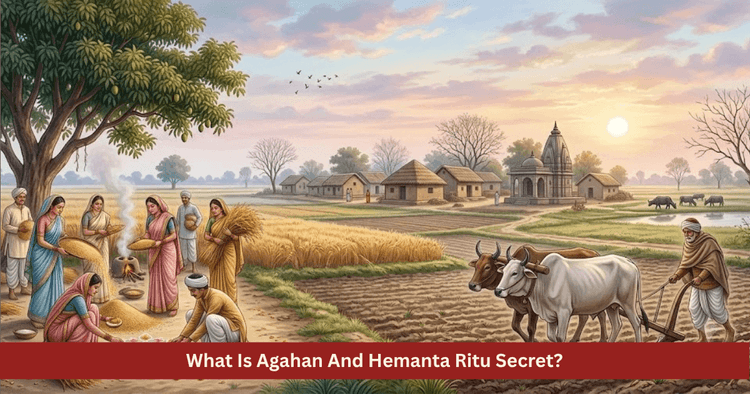
Table of Contents
Sacred Winter Routine And Daily Spiritual Disciplines
According to the sacred Vedic calendar the entrance of Margashirsha month marks the departure of autumn and the arrival of the serene Hemanta season. Classical Vedic scriptures do not view this seasonal junction merely as an environmental transition but as a deeply sensitive phase for restoring balance between the physical body and cosmic energies. As cool breezes blowing from the north touch the earth the internal digestive fire of the human body begins to burn with remarkable intensity. If one neglects a disciplined seasonal regimen and satvic spiritual practices during this time the equilibrium of natural energies can become disrupted. Observing specific daily practices and scriptural guidelines is essential to maintain bodily strength and spiritual clarity throughout this holy period.
| Regimen Element | Scriptural Directives And Seasonal Guidelines |
|---|---|
| Seasonal Context | Lunar Margashirsha month, advent of Hemanta ritu, transition of November and December |
| Presiding Divine Powers | Lord Surya the sun god, Yogeshwara Krishna and Lord Dhanvantari the patron of healing |
| Primary Daily Disciplines | Morning oil massage, sun salutations, copper vessel water offering and conch worship |
| Recommended Dietary Tastes | Sweet, sour and salty foods, pure cow ghee, sesame, fresh jaggery and newly harvested grains |
| Practices To Avoid | Cold chilled beverages, stale meals, daytime sleep, late night waking and harsh language |
| Spiritual And Bodily Fruits | Tridosha balance, robust digestive power, heightened natural immunity and mental peace |
During this seasonal period the daily schedule must begin by rising in the serene quiet of Brahma Muhurta. When the final watch of the night remains one should leave the bed and remember Lord Krishna and Lord Surya within the heart. After that sip lukewarm water for purification and complete physical ablutions.
- Massage the entire body with pure sesame oil or mustard oil before bathing in the morning to preserve skin moisture
- Bathe using pleasantly lukewarm water rather than excessively hot or freezing cold water
- Offer fresh water mixed with red sandalwood paste, unbroken rice grains and red flowers to the rising sun facing east
- Light an earthen lamp filled with pure cow ghee near the sacred tulsi plant and chant the Gayatri mantra eleven times
- Sit in the gentle early morning sunlight for at least twenty minutes practicing deep breath control to circulate life force
- Include newly harvested rice, yellow lentils, green leafy herbs, sesame sweets and fresh jaggery in the midday meal
- Light an earthen lamp filled with sesame oil at the main threshold during twilight hours to prevent negative energies from entering
Following this harmonious Vedic lifestyle protects the physical vessel from the biting chill of the early winter season. These classical disciplines instruct humanity on how to live in complete resonance with nature, bestowing longevity and inner brilliance.
Falling Temperatures And Golden Harvest Of Fresh Paddy
The moment the full moon of Kartik concludes nature sets aside her previous garments to adorn herself in an entirely fresh splendor. Across the northern plains and central plateau of the subcontinent the gentle early chill steadily transforms into crisp winter breezes. In the morning hours white mist floats over farming fields and water reservoirs while dewdrops sparkle upon blades of grass like strings of pearls woven by nature. The blazing intensity of the sun no longer scorches the skin as it did in summer, for its soothing golden rays now impart an indescribable comfort to body and mind.
Daylight hours begin to contract while nights become longer and deeply tranquil. This period is a celebrated time for agricultural communities across the land. Across the fields heavy golden stalks of newly ripened paddy bend under their own abundance. Rural communities rejoice in the celebration of the Navanna festival to welcome the first harvest. When the farmer begins harvesting the fresh paddy nurtured through months of patient toil the entire countryside fills with an invigorating earthy fragrance.
In the eternal Vedic tradition the first portion of the fresh harvest is consecrated to the celestial deities and departed ancestors. During this transitional period of Agahan women grind the fresh rice grains to prepare traditional offerings including sweet puddings and savory cakes. These first preparations are offered with reverence to Lord Shaligram, family deities and the sacred sacrificial fire. This sacred act of consecration keeps the spirit of gratitude alive, reminding human beings that all sustenance flows from the divine reality. The surrounding greenery and golden heaps of grain resting in village courtyards awaken renewed hope, prosperity and joy in every human heart.
What Is The Science Of Tridosha Balance And Digestive Fire?
Classical Ayurvedic treatises such as the Charaka Samhita and Sushruta Samhita provide an exhaustive and scientific evaluation of Hemanta ritu. Sage Charaka explains that when cold temperatures dominate the external atmosphere the natural heat of the human body cannot dissipate outward. The cold environment causes the pores of the skin to contract firmly. Consequently the internal biological heat remains confined within the abdominal cavity, causing the digestive fire known as Jatharagni to burn with extraordinary strength.
This bodily condition is a wonderful blessing if managed with care, yet it can cause imbalances if neglected. When the digestive fire is this robust it can digest heavy, unctuous and substantial meals with ease. However if one fails to provide adequate nutritional fuel to this roaring internal fire it begins consuming the bodily tissues and vital fluids, producing dryness and physical fatigue.
| Humoral Element | Status In Hemanta Season | Physical Manifestations | Recommended Remedial Practices |
|---|---|---|---|
| Vata | Natural tendency toward aggravation | Dryness of skin, stiff joint movement and muscle soreness | Abhyanga oil massage, sesame, almonds and lukewarm water |
| Pitta | Serene and balanced state | Heightened digestive capacity and natural healthy appetite | Nourishing sweet meals, cow milk, pure ghee and fresh grains |
| Kapha | Initial accumulation within the body | Slight physical lethargy and a feeling of bodily heaviness | Dry ginger, long pepper, herbal decoctions and daily exercise |
The influence of the vata humor is particularly prominent throughout this weather transition. Cold and dry winds introduce dryness into the skin, skeletal framework and nervous system. For this reason classical scriptures forbid dry, cold and light foods during this time.
- Increase the intake of pure cow ghee and cold pressed sesame oil to ensure internal tissues remain supple
- Incorporate soaked nuts such as almonds, walnuts and dates into the daily routine to provide sustained energy
- Consume yellow split lentils with flatbreads made from pearl millet or maize alongside fresh jaggery at noon
- Cook meals using digestive spices such as fresh ginger, dried ginger powder, cinnamon and black pepper
- Avoid stale foods and excessively cold refrigerated items because they dampen the strong digestive fire and generate toxins
When an individual selects daily nutrition guided by these foundational Ayurvedic principles, the Hemanta season ceases to be a time of vulnerability and becomes a phase for gathering deep vitality for the year ahead.
The Southern Solar Ingress And Astrological Alignments
From an astronomical and astrological standpoint the month of Margashirsha represents an important turning point in the cosmic cycle. During this phase the sun god, regarded as the cosmic soul and the eye of the universe, moves through the final arc of his Dakshinayana or southern journey. Because the solar orb leans toward the southern hemisphere its rays strike the northern lands at an angle, causing a sharp drop in regional temperatures.
During the first fortnight of Margashirsha the Sun journeys through the water sign of Scorpio governed by Mars. The synthesis of martial energy and the water element infuses the atmosphere with pleasant moisture and coolness. Following this transit the Sun enters the fiery sign of Sagittarius governed by Jupiter, initiating the event of Dhanu Sankranti and the phase of Kharmas.
| Astrological Factor | Astronomical Position | Influence On Human Life And Nature |
|---|---|---|
| Solar Transit | Movement from Scorpio to Sagittarius | Slowdown in external enterprises and inward awakening of consciousness |
| Lunar Placement | Full Moon in Mrigashira nakshatra | Calming of mental agitation and inclination toward spiritual exploration |
| Jupiter Influence | Expansion of wisdom through Sagittarius | High success in scriptural contemplation and mantra meditation |
| Seasonal Nature | Full development of Hemanta season | Diminishing of sensory distractions and ideal climate for meditation |
In classical astrological doctrine the Sun signifies the inner soul while Jupiter represents divine wisdom. When the Sun rests within the celestial house of his preceptor Jupiter, elaborate worldly celebrations such as weddings, house warming ceremonies and expansive business launches pause for a month. Ancient masters established this custom so that human beings could detach from outward social display and look within their own consciousness.
The full moon of this month aligns with the asterism of Mrigashira, which is ruled by Mars and presided over by the moon god Soma. This planetary combination pacifies inner unrest and directs the mind toward devotion. For individuals whose horoscopes feature an afflicted Sun or Jupiter, practicing sun salutations and chanting preceptor mantras during Hemanta ritu serves as a potent remedy.
Experiencing The Divine Through The Splendor Of Nature
The season of Hemanta is not merely about falling leaves and decreasing temperatures, for it is a time of deep contemplation within the heart of nature. Just as a meditating ascetic gathers his senses to enter the cave of contemplation, nature stores her vitality deep within her roots during this quiet period. Trees shed their unnecessary foliage and embrace silent patience so they may blossom with fresh leaves and fragrant flowers when spring arrives.
This dynamic reflects the eternal truth of human existence. The quiet peace of Agahan and Hemanta ritu reminds us that continuous outward rushing is not genuine progress. Pausing occasionally to examine our inner state and nourish our spiritual roots is essential. When morning mist blankets the earth and the golden rays of the rising sun pierce the fog, the scene provides living proof that no matter how dense the mist of ignorance appears, the light of wisdom possesses the power to scatter it. Harmonizing our life with this sacred season and honoring every particle of the creation brings fulfillment and lasting peace to the human soul.
FAQ
How does Hemanta ritu during Agahan affect the human body? Due to external cold the internal digestive fire becomes exceptionally potent, enabling the body to digest substantial meals easily and build enduring vitality with proper nutrition.
Which three doshas undergo changes during the Hemanta season? Dry winter cold can aggravate the vata humor, while the strong digestive fire keeps pitta balanced and the kapha humor begins its early accumulation within the body.
Why is the Navanna festival celebrated after the fresh paddy harvest? In the Vedic tradition the first portion of newly harvested grain is offered to the divine and ancestors in gratitude before family members consume the harvest.
Which oil is considered best for body massage during Hemanta ritu? According to classical Ayurveda pure sesame oil or mustard oil is ideal for body massage during Hemanta to pacify vata and maintain skin suppleness.
What kind of diet should be consumed during the Agahan season? One should consume warm, unctuous and nourishing foods including pure cow ghee, fresh jaggery, sesame seeds, pearl millet, nuts, lentils and warming digestive spices.
Get your accurate Kundali
Generate KundaliDid you like it?
Author

Aparna Patni (63)
Experience: 20
Consults About: Family Planning, Career
Clients In: Punjab, Haryana, Delhi
Share this article with friends and family
WELCOME TO
ZODIAQ
Right Decisions at the right time with ZODIAQ
