How to Remove Obstacles on Akhuratha Chaturthi?
By Pt. Narendra Sharma
Secrets of Akhuratha Form, 21 Durva Rules And Moon Libation Rituals
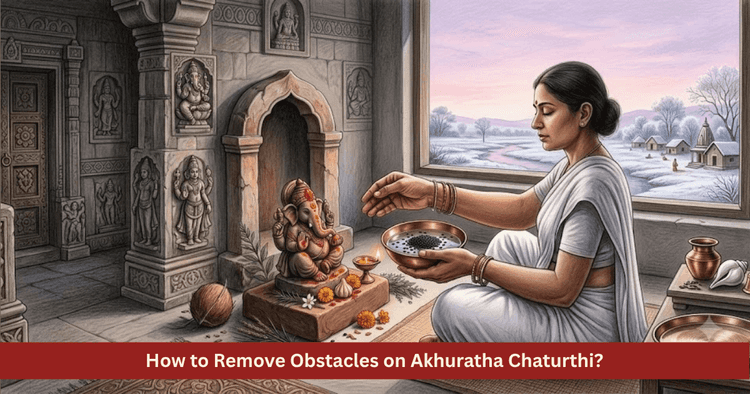
Table of Contents
Within the classical computational systems of the traditional Vedic calendar and ancient astrological sciences, the fourth lunar day of the dark fortnight of Pausha month is celebrated with profound reverence under the sacred name of Akhuratha Sankashti Chaturthi. According to the foundational etymology of classical Sanskrit grammar, the root term Akhu denotes a rodent or mouse, while Ratha signifies a chariot or celestial vehicle utilized for movement across creation. therefore the sacred compound word Akhuratha translates directly as that supreme form of Lord Sri Ganesha who uses a humble mouse as his divine mount to remove worldly obstructions and bestow illuminated intellect upon seekers. While the observance of Sankashti Chaturthi arrives during the dark fortnight of every lunar month, observing this spiritual discipline amidst the biting cold of Pausha when the celestial Sun concludes the terminal phase of Dakshinayana holds unmatched spiritual importance. During this winter period, when atmospheric stillness, sluggish bodily inertia and wind imbalances dominate the external environment, worshipping Lord Akhuratha serves as an infallible divine tonic that revives tired cognitive faculties, clears mental heaviness and realigns obstructed destiny.
On this sacred date, devout seekers observe a disciplined fast from dawn until the moon rises at night with deep mental purity and restraint. When the Moon emerges in the winter sky, practitioners present libations of clean water blended with fresh milk, durva grass and black sesame seeds to the lunar deity before concluding their fast with offerings of sesame, jaggery and sweet confections presented to Lord Ganesha. Amidst severe winter days when human biology naturally succumbs to physical tiredness and commercial operations encounter unexpected hurdles, this specific invocation sharpens the intellectual faculties and removes hidden obstacles from the seeker's path. The essential ritual components, ceremonial materials, timing guidelines and philosophical foundations of this holy observance appear systematically arranged in the table below.
| Observance and Ritual Component | Scriptural Standard and Material | Astrological Basis and Tantric Significance |
|---|---|---|
| Auspicious Date and Fortnight | Fourth lunar day of Pausha Krishna Paksha | Appearance day of Lord Ganesha in the Akhuratha form |
| Presiding Manifestation | Lord Sri Ganesha seated upon a divine mouse | Pacifying severe planetary imbalances of Mercury and Ketu |
| Prescribed Compass Direction | True North or the Ishanya quadrant (North East) | Harmonious convergence of planetary rays from Jupiter and Kubera |
| Dedicated Food Offerings | Black sesame and jaggery confections, modaks and panchamrita | Fueling gastric digestion, honoring solar rays and pacifying Saturn |
| Primary Vegetal Offering | Twenty one nodes of fresh green durva grass and vermilion | Cleansing cranial energy centers and sharpening intellect |
| Core Protective Chant | Om Gam Ganapataye Namah or Primary Tantric Seed Mantra | Dissolving legal tribulations, worldly fears and obstacles |
| Fast Breaking Protocol | Concluding after viewing the moon and offering libations | Calming emotional turbulence, pacifying lunar afflictions and peace |
What Is the Philosophical Secret of the Divine Mouse Mount?
Every physical feature, sacred implement and symbolic vehicle associated with Lord Sri Ganesha represents an authentic cosmic truth. To an ordinary observer, it may appear puzzling that an expansive divine entity bearing the head of an elephant chooses an unassuming rodent as his personal mount. Classical treatises of sacred lore and the holy Ganesha Purana explain that the mouse represents the restless human mind, undisciplined sensory impulses, ignorance and speculative doubts. A mouse naturally hides in dark corners, chewing through valuable possessions with sharp teeth without any practical need. Similarly, an undisciplined human mind chews through personal peace and spiritual focus through endless anxieties and negative thoughts.
By sitting with effortless poise upon that restless creature, Lord Ganesha delivers the timeless truth that human life cannot move along righteous paths until the intellect disciplines chaotic desires through wisdom and discernment. This divine image proves that before broad intellect and humble discretion, chaotic inner impulses surrender naturally. During the cold weather of Pausha when mental concentration scatters easily, meditating upon the Akhuratha form anchors the wandering mind to a single point, restoring sharp execution and balanced judgment across worldly affairs.
How Does Ganesha Worship Stimulate the Mind in Winter?
Classical doctrines of traditional Indian medicine and astrology affirm that the human nervous system and higher cerebral functions operate under the direct planetary guardianship of Mercury and the Moon. During the freezing weeks of Pausha when ambient temperatures plunge, peripheral blood vessels contract, reducing oxygen and blood flow toward cranial tissues. As an immediate consequence, individuals frequently experience heavy physical lethargy, forgetfulness, delayed decisions and winter melancholy. In traditional astrology, Lord Ganesha presides as the supreme cosmic ruler over Mercury, governing analytical intellect, clear speech and commercial ventures, alongside Ketu, governing spiritual liberation and intuitive perception.
When an aspirant rises before dawn during Brahma Muhurta on this sacred date to perform the sixteenfold worship of Lord Ganesha, dormant neurological pathways and intellectual channels awaken immediately. The acoustic vibrations produced by reciting the sacred Ganesha Atharvashirsha stimulate cerebral vitality. Simultaneously, observing a fast allows the digestive organs to rest, directing metabolic energy upward to nourish higher mental centers. This spiritual discipline removes hidden financial obstacles, partner misunderstandings and commercial losses that arise from an afflicted Mercury or difficult placements of Ketu.
What Are the Rules for Offering Twenty One Durva Grass Nodes?
Across the sacred worship of Lord Ganesha, fresh durva grass is recognized as the most cherished and indispensable offering. Ancient scriptures declare that elaborate ornaments crafted of gold, silver, diamonds and precious pearls do not please the deity as deeply as a single unblemished blade of green durva grass offered with sincere love. Classical lore recounts that when a fire demon began swallowing sages and celestials, Lord Ganesha swallowed the demon whole to protect the worlds. The moment the demon entered his gastric chamber, intense burning sensations erupted within the deity's body. Sage Kashyapa then gathered 21 nodes of cool durva grass and placed them upon the crown of the deity, which soothed the burning heat completely.
Offering durva grass on Akhuratha Sankashti Chaturthi requires adherence to orderly guidelines. Never gather grass from contaminated roadsides or dry, neglected plots. Collect fresh, vibrant grass bearing three or five tender blades from clean garden soil. Wash the grass thoroughly in pure water, binding the stems into ten distinct pairs and keeping one single stem separate to form a total count of 21 nodes. While offering each pair, chant the sacred divine names with devotion: Om Ganadhipaya Namah, Om Umaputraya Namah, Om Vighnanashanaya Namah, Om Vinayakaya Namah, Om Ishaputraya Namah, Om Sarvasiddhipradaya Namah, Om Ekadantaya Namah, Om Ibhavaktraya Namah, Om Mushakavahanaya Namah and Om Kumaragurave Namah. Conclude by presenting the twenty first node upon the crown of the deity while chanting "Om Akhurathaya Namah". This sacred offering calms mental distress and clears lingering nervous tension immediately.
What Is the Complete Worship and Moon Libation Protocol?
On the morning of Akhuratha Sankashti Chaturthi, rise before dawn during the serene pre dawn hours. Complete bodily ablutions using clean water infused with holy Ganga drops and black sesame seeds. Dress in clean yellow or crimson cotton garments, present water to the rising Sun from a copper urn and hold clean water, raw rice grains and red blossoms in your palm to state your solemn fasting resolution: "O Lord Akhuratha Ganesha, I observe this sacred fast to dissolve all obstacles from my path; please bless me with unhindered success."
Set up an unsoiled wooden platform facing true north in the domestic prayer space, draping it with smooth yellow silk fabric. Install an energized metallic or clay form of Lord Ganesha upon its center. Light an ample lamp fueled by unadulterated cow ghee before the deity. Bathe the icon with the five sacred nectars, followed by fresh water and pat it dry with an unsoiled cotton cloth. Anoint the deity with red sandalwood paste, pure vermilion, raw rice grains, fresh red hibiscus blossoms and natural floral scent. Present the 21 nodes of durva grass across the crown of the icon. Offer a plate of 11 or 21 round confections prepared from black sesame seeds and raw jaggery, accompanied by fresh seasonal fruits and sweet modaks.
Following the offerings, sit upon a natural woolen mat and chant the following verse at least 108 times using a rosary of red sandalwood beads: "Om Gam Ganapataye Namah". Maintain a fast throughout the day, taking only water, boiled milk or simple fruits if needed. When the Moon appears in the night sky, fill a clean copper or silver chalice with water, adding a splash of raw milk, vermilion, raw rice grains, black sesame seeds and a blade of durva grass. Face the lunar orb, pour the liquid in a steady stream as an offering of reverence and chant the traditional lunar verse: "Om Somaya Namah, Om Chandramasaya Namah". Conclude by waving camphor flames before Lord Ganesha, sharing the consecrated sesame confections with family members to complete the fast.
What Are the 5 Vital Remedies for Prosperity and Protection?
To dissolve poverty and eliminate commercial obstacles during this winter observance, five foundational remedies recommended by ancient masters yield transformative results.
-
Discreet charitable distribution of sesame and jaggery sweets: Distribute a portion of the consecrated sesame and jaggery confections among family members and donate the remaining sweets to impoverished individuals, hungry children or a temple priest. This charitable offering pacifies difficult configurations of both the Sun and Saturn simultaneously, ensuring grain reserves remain abundant.
-
Installing consecrated durva grass in the commercial vault: Following the evening prayers, retrieve five sacred blades of durva grass from the crown of the deity. Anoint them with vermilion, wrap them in clean yellow silk and place the bundle inside your commercial safe, cash drawer or accounting ledger. This practice halts financial leakage and invites steady commercial momentum.
-
Pacifying Saturn and Ketu with sacred Shami leaves: If an individual faces career instability or sudden job termination due to harsh transits of Saturn or Ketu, present 11 leaves of the sacred Shami tree to Lord Ganesha while chanting the name Om Sumukhaya Namah. Offering Shami leaves pacifies challenging planetary placements, transforming difficult transits into benevolent protection.
-
Chanting the Sankata Nashana Ganesha Stotram eleven times: Recorded within the Narada Purana, this sacred hymn stands as an infallible acoustic remedy to dissolve lingering crises. Reciting this hymn eleven times at sunset before an earthen lamp resolves prolonged legal disputes, property entanglements and domestic friction peacefully.
-
Feeding raw jaggery and fresh grass to cows: After completing the rituals, visit a cow shelter to feed indigenous cows fresh green fodder, raw jaggery and black sesame seeds directly from your hands, gently touching the forehead of the animal for blessings. Because all benevolent deities dwell within the cow, serving them delights Lord Ganesha, clearing away unseen worldly hurdles.
What Is the Message of Family Harmony and Peace?
The divine household of Lord Sri Ganesha presents an extraordinary universal example of peace and harmony flourishing amidst fundamentally conflicting natures. The sacred vehicle of Lord Shiva is the bull Nandi, while Mother Parvati rides a fierce lion; Lord Shiva wears the serpent Vasuki around his neck, while Lord Kartikeya travels upon a peacock; and Lord Ganesha commands a mouse, the natural prey of serpents. Despite these natural oppositions, no conflict exists within the sacred family, where deep affection and mutual respect reign supreme.
Akhuratha Sankashti Chaturthi teaches that diverse family members living beneath a single roof may possess different temperaments, habits and opinions, yet if love, selflessness and a broad heart like Lord Ganesha anchor the household, no external worldly storm can fracture that domestic bond. When household members worship together on this day and present libations to the moon, internal arrogance, anger and petty arguments melt away, welcoming lasting peace, unity and prosperity into the home.
What Is the Eternal Lesson of Complete Surrender?
The ultimate objective of Vedic spirituality extends far beyond securing temporary relief from physical difficulties; it seeks to unite human consciousness with its transcendental source. The observance of Lord Akhuratha reminds us that life's trials do not arrive to destroy us; they come to reveal our limitations and encourage complete surrender before the divine. As long as an individual attempts to solve life's complex dilemmas through intellectual pride alone, they become entangled in fresh knots of anxiety.
however the moment a seeker surrenders their ego like a trusting child at the lotus feet of Lord Ganesha, the divine guardian takes the reins of their life into his own hands. The sacred fourth lunar day of Pausha invites us to surrender our worries, weaknesses and anxieties at the feet of Lord Akhuratha. When a seeker approaches the deity with pure devotion, they receive liberation from worldly friction, accompanied by the higher spiritual wisdom that guides the soul toward enduring liberation and lasting peace.
FAQ
Why is viewing the moon and offering libations mandatory on Sankashti Chaturthi? Worshipping the Moon is mandatory because the lunar orb commands human thoughts, emotions and psychological balance. Lord Ganesha pacified lunar pride and placed the crescent moon upon his brow, meaning that offering libations to the Moon completes the fast while removing emotional stress and lunar afflictions.
Why is offering Tulsi leaves strictly forbidden in Ganesha worship? According to classical lore, Goddess Tulsi once proposed marriage to Lord Ganesha, which the deity declined to maintain strict celibacy. Stung by the rejection, Goddess Tulsi placed a curse upon him, prompting the deity to utter a reciprocal curse, which is why offering Tulsi leaves to Lord Ganesha remains prohibited across scriptural worship.
How should one break the fast if thick winter fog obscures the moon? If dense fog conceals the moon during Pausha, the seeker may break the fast at the exact time of moonrise listed in the traditional almanac by meditating upon the crescent moon resting on Lord Shiva's crown, pouring water libations facing east or north east upon clean ground.
Who should observe the fast of Sankashti Chaturthi with particular dedication? Individuals undergoing challenging astrological periods of Mercury or Ketu, those navigating complex legal battles or sudden debt burdens and students struggling with mental concentration should observe this fast with sincere devotion to clear cognitive hurdles.
Why are black sesame confections specifically offered to Lord Ganesha? Pausha represents the peak of winter when bodily wind and phlegm humors rise naturally. Sesame seeds carry heating, unctuous properties that balance the energies of Saturn and the Sun. Offering sesame and jaggery confections pleases Lord Ganesha while supporting seasonal health according to classical Ayurveda.
Get your accurate Kundali
Generate KundaliDid you like it?
Author

Pt. Narendra Sharma (63)
Experience: 20
Consults About: Family Planning, Career
Clients In: Punjab, Haryana, Delhi
Share this article with friends and family
WELCOME TO
ZODIAQ
Right Decisions at the right time with ZODIAQ
