How Will Paush Amavasya Remove Pitru Dosha?
By Pt. Amitabh Sharma
Mini Pitru Paksha, Tarpana Protocol, Peepal Lamp And Kaal Sarp Remedies

Table of Contents
Classical Framework and Sacred Status of 'Mini Pitru Paksha'
According to the ancient Vedic doctrines of Sanatana chronological computation, the concluding lunar tithi of the dark fortnight in the month of Paush is universally venerated as 'Paush Amavasya'. In authoritative scriptural treatises, including the Garuda Purana and Nirnaya Sindhu, this auspicious date is exalted as 'Mini Pitru Paksha' (the Secondary Ancestral Fortnight). Across the entire annual solar cycle, following the grand Mahalaya Pitru Paksha of the month of Bhadrapada, Paush Amavasya stands as the most efficacious celestial portal for ancestral pacification, sacred water oblations (Tarpana), funeral ball offerings (Pindadana) and ritual charity. Occurring in the depth of winter when the planetary Sun transits the fiery sign of Sagittarius owned by Jupiter and the Moon conjuncts the Sun at identical celestial longitudes, a subtle metaphysical conduit opens between the subterranean ancestral realm (Pitru Loka) and the terrestrial sphere.
Due to this unique celestial conjunction, the subtle vital currents of departed ancestors are drawn toward the earth. Classical scriptures affirm that during Paush, the Sun God radiates through his transcendental emanation named 'Bhaga Aditya', the sovereign lord of spiritual opulence, vital willpower and ancestral grace. For individuals whose life progress is paralyzed by severe Pitru Dosha (ancestral affliction), Matru Dosha (maternal affliction), disembodied entity disturbances or Kaal Sarp Dosha, executing this sacred ceremony during Paush Amavasya dissolves generational impediments, opening the gateway to liberation.
| Liturgical & Ritual Dimension | Classical Scriptural Injunction | Spiritual & Worldly Manifestation |
|---|---|---|
| Niyam | Vidhan | Vidhan |
| Presiding Lunar Date | Paush Krishna Paksha Amavasya | Ancestral satiation, generational continuity, karmic relief |
| Cosmic Astrological Alignment | Sun and Moon conjunct in Sagittarius | Absolute equilibrium between soul vitality and mental humors |
| Primary Directional Orientation | Direct Southern Horizon (Realm of Yama and Pitrus) | Deliverance of unfulfilled forebears, removal of obstacles |
| Core Oblation Substances | Consecrated Ganga water, raw milk, black sesame, kusha | Quenching the subtle thirst and hunger of seven generations |
| Sacred Botanical Veneration | Sacred Peepal (Ashwattha) and Banyan (Vata) trees | Trinity blessings, pacification of Saturn-Rahu, lineage purity |
| Prescribed Nocturnal Illumination | Four-faced mustard oil lamp beneath Peepal and portal | Protection from untimely death, illuminating ancestral path |
| Foundational Fivefold Charity | Portions dedicated to Cow, Dog, Crow, Deities and Ants | Discharging cosmic debts across all realms, lasting wealth |
Paush Amavasya is not a day of mournful grief but a vibrant festival of conscious gratitude toward departed forebears. Simple, sincere offerings rendered on this date satisfy ancestors, who bestow long life, domestic harmony and prosperity upon descendants.
Astronomical and Metaphysical Secrets of the Sun-Moon Conjunction
In classical Vedic astrology, the planetary Sun is revered as the natural significator of the soul (Atma) and the father, while the Moon governs the emotional mind (Manas) and maternal heritage. On Amavasya (new moon), the Sun and Moon merge at identical celestial degrees. During Paush, this union occurs within the intellectual, fiery sign of Sagittarius, the cosmic ninth house governing righteousness, wisdom and spiritual liberation.
When the soul (Sun) and the mind (Moon) dissolve into the expansive sign of Jupiter, worldly noise subsides, opening the portals of subtle spiritual realms. Because direct lunar illumination drops to absolute zero on earth, the subtle pranic vibrations of Pitru Loka become active across the terrestrial plane.
- Culmination of Dakshinayana: The Sun approaches the final degrees of Dakshinayana, the cosmic phase recognized as the daytime of ancestors. Oblations poured during this window reach ancestral souls like sweet nectar.
- Tridoshic Biological Equilibrium: Amidst deep winter chill when internal digestive fire blazes intensely, oblations offered using black sesame seeds and barley pacify aggravated internal Vata and Kapha humors, awakening spiritual vitality.
- Discharging Generational Obligations: Vedic theology outlines three primordial debts: Deva Rina (debt to gods), Rishi Rina (debt to seers) and Pitru Rina (debt to ancestors). Paush Amavasya serves as the most accessible avenue to dissolve the third debt.
Pouring even a single consecrated palm of water with pure devotion during this window possesses the potency to satisfy ancestral souls for generations.
The Three Severe Astrological Afflictions: Pitru, Matru and Kaal Sarp Dosha
Human existence frequently encounters situations where exhaustive personal labor, refined intellect and abundant material opportunities fail to produce success. Families struggle with persistent domestic friction, inexplicable delays in progeny, commercial ruin or chronic undiagnosed illnesses. Vedic astrology traces these afflictions to three primary generational flaws.
1. The Anatomy of Pitru Dosha
When the natal Sun, Jupiter or the ninth house of fortune is conjoined or afflicted by Rahu, Ketu or Saturn in the birth chart, severe Pitru Dosha manifests. This affliction also arises when departed ancestors were denied proper cremation rites or when elderly parents were neglected during earthly life. Consequently, generational progress halts, intellectual clarity deteriorates and the family is haunted by the fear of untimely crises.
2. The Nature of Matru Dosha
When the fourth house of domestic happiness and the Moon are severely afflicted by malefic planets or when the fourth lord is combust in difficult houses under Rahu's influence, Matru Dosha is formed. The native suffers chronic mental depression, maternal health remains fragile, real estate disputes persist and domestic peace is shattered.
3. The Affliction of Kaal Sarp Dosha
When all seven physical planets are hemmed between the shadowy lunar nodes Rahu and Ketu, Kaal Sarp Dosha paralyzes the horoscope. On Paush Amavasya, the energetic axis of Rahu and Ketu is sensitive. This affliction causes finished endeavors to crumble at the eleventh hour, provokes terrifying nightmares and brings persistent instability.
| Astrological Affliction | Primary Symptoms in Everyday Life | Prescribed Paush Amavasya Remedy |
|---|---|---|
| Niyam | Vidhan | Vidhan |
| Severe Pitru Dosha | Obstacles in progeny, childlessness, poverty | South-facing water oblations with black sesame 108 times |
| Severe Matru Dosha | Deep mental melancholia, maternal suffering | Pouring raw milk over Peepal from silver cup, rice charity |
| Severe Kaal Sarp Dosha | Sudden catastrophes, nightmares, commercial losses | Consecration of copper serpent pair, immersion in river |
| Disembodied Ancestral Affliction | Unexplained domestic heaviness, chronic disease | Reciting Garuda Purana, Mahamrityunjaya japa, feeding poor |
Step-by-Step Liturgical Methodology for Tarpana and Pindadana
Performing ancestral oblations and funeral offerings during Paush Amavasya at a sacred pilgrimage site-such as Prayagraj, Gaya, Haridwar, Kashi or Kurukshetra-yields supreme spiritual merit. If traveling to a pilgrimage site is not feasible, the ceremony can be executed with purity at home on a terrace or courtyard, facing the southern horizon.
Dawn Purification and Preparations
Awaken during Brahma Muhurta, bathing in fresh water infused with consecrated drops of Ganga water. Wear clean, unstitched cotton garments of pure white or pale yellow. Black, dark blue or synthetic clothing is prohibited during ancestral rites. Slip a sacred ring fashioned from kusha grass (Pavitri) onto the ring finger of your right hand. Classical scriptures state that Lord Brahma resides at the root of kusha, Lord Vishnu at its center and Lord Shiva at its tip, carrying oblations directly to Pitru Loka.
Assembly of Sacred Ingredients
Prepare a broad, clean vessel of copper, bronze or brass filled with fresh water. Combine seven sacred ingredients:
- Sacred Ganga Water: Transforming the vessel into a spiritual pilgrimage site.
- Raw Cow Milk: Satiating the subtle bodies of ancestors with cooling relief.
- Black Sesame Seeds (Kala Tila): Manifested from the divine body of Lord Vishnu, deflecting negative entities.
- Whole Barley Grains (Yava): Annihilating generational sins and granting heavenly peace.
- White Sandalwood Paste & White Blossoms: Expressing profound reverence and emotional purity.
- Sacred Kusha Grass: The botanical conduit transmuting water into spiritual ambrosia.
The Three Progressive Stages of Tarpana
Ancestral oblations are executed across three distinct stages, requiring specific seating orientations and alignment of the sacred thread (Yajnopavita):
- Stage One (Deva Tarpana): Face the eastern horizon. Position the sacred thread over the left shoulder (Savya). Pour water across the tips of the fingers (Deva Tirtha) to satisfy celestial deities.
- Stage Two (Rishi Tarpana): Turn toward the northern horizon. Wear the sacred thread like a garland around the neck (Nivita). Pour water across the middle section of the palms to honor ancient seers.
- Stage Three (Pitru Tarpana): Face the southern horizon. Bend the right knee to rest upon the earth. Drape the sacred thread over the right shoulder (Apasavya). Holding kusha grass across both palms, release water through the space between the thumb and index finger (Pitru Tirtha) while meditating upon ancestors.
While releasing water for ancestors, recite the classical invocation eleven or twenty-one times:
Om Agachhantu Me Pitarah Evam Grihnantu Jalanjalim.
Om Pitribhyah Swadhayibhyah Swadha Namah. Tripyadhwam, Tripyadhwam, Tripyadhwam.
Pronounce the names and ancestral lineage (Gotra) of your father, grandfather, great-grandfather, mother, grandmother and maternal ancestors, offering three full palm oblations for each. Conclude by praying for the peace of all known and unknown departed souls.
Veneration of the Sacred Peepal Tree and the Four-Faced Lamp
In Sanatana theology, the sacred Peepal (Ashwattha) tree is revered as the earthly dwelling of deities and the temporary refuge of ancestral spirits. In the Shrimad Bhagavad Gita, Lord Sri Krishna declares: Ashwatthah Sarva Vrikshanam-among all trees, I am the Peepal. The Padma Purana and Skanda Purana state that Lord Vishnu abides at its roots, Lord Shiva within its trunk and Lord Brahma upon its crown. Furthermore, during midday hours, ancestral spirits rest upon its branches in subtle, airy forms.
Serving the Peepal tree on Paush Amavasya stands as an effective, scripturally authorized remedy to pacify ancestral distress.
| Peepal Veneration Stage | Liturgical Scriptural Procedure | Esoteric & Metaphysical Fruition |
|---|---|---|
| Niyam | Vidhan | Vidhan |
| Morning Water Oblation | Pouring water blended with raw milk, black sesame, sugar | Quenching ancestral thirst, securing lineage growth |
| Circumambulation Discipline | Walking clockwise 7 or 11 times chanting Vishnu mantra | Annihilation of karmic debt, resolution of life crises |
| Reverent Touch & Prayer | Touching trunk with both palms, seeking forgiveness | Harmonization of bodily humors, grounding biofield |
| Evening Four-Faced Lamp | Lighting four-wicked mustard oil lamp at base at dusk | Banishing darkness in Pitru Loka, clearing path to light |
The Esoteric Science of the Four-Faced Lamp
Immediately following sunset on Paush Amavasya, fashion a broad four-faced lamp from clay or wheat dough. Fill it with pure unrefined mustard oil, placing four cotton wicks pointing toward the four compass quadrants.
This four-faced lamp soothes the emissaries of Yama and dispels ambient negative energy across all four quarters. The flame pointing toward the south directly illuminates the path of departed ancestors. When this lamp burns through the winter evening, ancestors bless the household with uninterrupted abundance, health and virtuous progeny. Additionally, place a four-faced mustard oil lamp outside the main domestic entrance, pointing toward the south.
The Fivefold Food Offering (Panchabali) and Feeding Virtuous Souls
In classical ancestral rites, the practice of 'Panchabali' (Fivefold Offering) is mandatory. Panchabali does not involve harm to any living creature; rather, it is the sacred act of setting aside five consecrated portions of food for different aspects of creation before partaking of the domestic meal. This discipline atones for accidental harm caused to living beings during daily activities.
Upon completing the meal preparation, arrange five equal portions of sattvic food (sweet rice kheer, puffed breads, split black lentil preparations and winter vegetables) upon a fresh leaf plate, offering them in this sequence:
- Go Bali (Portion for Mother Cow): Dedicated to the sacred cow, representing all celestial mothers and universal nourishment.
- Shwana Bali (Portion for Dogs): Dedicated to the two loyal canine emissaries of Lord Yama, Shyama and Shabala, guarding the portal of transition.
- Kaka Bali (Portion for Crows): Dedicated to crows, recognized in sacred lore as conduits between the physical world and Pitru Loka.
- Devadi Bali (Portion for Nature Deities): Offered into the domestic hearth fire or clean water, honoring the foundational elements of nature.
- Pipilikadi Bali (Portion for Ants): Mixed with sugar and roasted wheat flour, placed near anthills to sustain microscopic life.
Following Panchabali, invite a virtuous scholar or destitute wanderer to your home. Wash their feet with reverence, seat them facing the southern horizon and serve them a warm meal. The feast should feature freshly harvested rice kheer, split black lentils and pure golden cow ghee. Conclude the service by offering respectful remuneration (Dakshina), black sesame seeds, whole rock salt, a copper vessel and warm woolen blankets. The sincere contentment of the guest marks the successful completion of the ancestral rite.
Esoteric Remedies for Kaal Sarp Dosha and Paranormal Heavy Energies
For individuals whose lives are burdened by severe Kaal Sarp Dosha or chronic paranormal heaviness, executing targeted scriptural remedies on Paush Amavasya brings rapid relief. The cosmological alignments of this date are suited for neutralizing subterranean negative vibrations.
- Consecration of Copper Serpent Pair: Procure a miniature pair of serpents fashioned from pure copper or silver. Bathe them over a clean vessel using raw cow milk and Ganga water, anointing them with white sandalwood paste, black sesame seeds and blue aparajita blossoms. Chant the serpent mantra: Om Navakulaya Vidmahe Vishadantaya Dhimahi Tanno Sarpah Prachodayat 108 times. At dusk, release this consecrated pair into a flowing freshwater river or present them at a traditional Shiva shrine. This ritual neutralizes the malefic influence of the lunar nodes.
- Recitation of Mahamrityunjaya Mantra: Seated alone during nocturnal hours facing east or north, kindle a pure cow ghee lamp and chant eleven complete rounds of the Mahamrityunjaya Mantra using a rosary of five-faced Rudraksha beads. This practice dissolves the terror of untimely physical death, surrounding the seeker with divine protection.
- The Dry Coconut Subterranean Remedy: Take a whole dry coconut with its natural fibrous husk intact. Carve a small opening at the top, filling the interior with black sesame seeds, raw unrefined sugar and pure cow ghee. Bury this prepared coconut halfway into the soil near the base of an ancient Peepal or Banyan tree where ants can access it. As microscopic creatures consume this food, financial debts, ancestral curses and severe node afflictions begin to lift from the individual's destiny.
Authoritative Code of Conduct for Paush Amavasya
To preserve the sacredness of Paush Amavasya, one must strictly observe traditional behavioral boundaries. Casual carelessness during this sensitive period can deplete accumulated spiritual merit.
Recommended Deeds:
- Rise before dawn to submerge in a sacred river or bathe at home using water infused with Ganga water.
- Present morning water oblations to the Sun God from a copper vessel, enriched with vermilion, unbroken rice and jaggery.
- Face the southern horizon to offer water and black sesame oblations to departed ancestors.
- Pour water blended with raw milk and sesame at the base of a Peepal tree, kindling a four-faced lamp at dusk.
- Distribute heavy woolen blankets, sturdy footwear, warm clothing and food to the destitute.
- Feed sacred cows with fresh flatbread enriched with jaggery and sesame, scattering grains for birds.
- Maintain peaceful speech, avoid arguments and chant the holy names of Lord Vishnu and Lord Shiva.
Strictly Prohibited Actions:
- Do not consume meat, alcohol, onions, garlic or stale leftovers on this sacred date.
- Avoid disrespecting, arguing with or insulting elderly relatives, parents or women.
- Refrain from sleeping during daylight hours; daytime sleep on Amavasya increases mental inertia and invites poverty.
- Avoid domestic quarrels, outbursts of anger or vulgar speech, as ancestral spirits withdraw when discord occurs.
- Never turn away a destitute beggar or hungry animal from your door empty-handed.
- Refrain from cutting hair, trimming nails or shaving on this date in accordance with scriptural lawbooks.
- Avoid dining in the homes of strangers; consume only sattvic meals prepared within your own household.
Generational Continuity and Holistic Healing Through Ancestral Grace
The sacred discipline of Paush Amavasya reveals an essential cosmic truth: we are the living extensions of the genetic, physical and karmic lineage of our ancestors. A tree whose subterranean roots are parched and neglected cannot produce lush foliage or sweet fruits. Similarly, when ancestors remain neglected, the generational expansion and worldly prosperity of that family line falters.
When we offer water and sesame to our ancestors amidst the winter quiet of Paush Amavasya, that offering is a living tear of gratitude. Though departed forebears have left their physical frames, they observe our conduct from subtle dimensions.
When they behold their descendants walking the path of righteousness and honoring their memory, their subtle hearts overflow with parental affection. They pray before the lotus feet of Supreme Lord Narayana for the welfare and protection of their descendants. By fulfilling the disciplines of Paush Amavasya with faith, we not only liberate our present lives from debilitating crises and hidden blockages but establish an enduring fortress of peace, vitality and divine grace for future generations.
FAQ
Why is Paush Amavasya designated as 'Mini Pitru Paksha'? Following the autumn Pitru Paksha, Paush Amavasya provides the most potent astrological conjunction of the Sun and Moon to satisfy ancestors directly.
In which directional orientation should one sit while performing ancestral oblations? One must sit facing directly toward the southern horizon, as the south is governed by Lord Yama and represents the portal to the ancestral realm.
What is the deeper significance of lighting a four-faced lamp beneath the Peepal tree? A four-faced mustard oil lamp pacifies negative energy across all four compass directions, while its south-facing wick illuminates the path for ancestral spirits.
What specific remedy neutralizes Kaal Sarp Dosha on Paush Amavasya? Consecrate a copper pair of serpents with milk and water, release them into a flowing river and bury a coconut filled with sesame and sugar for ants.
Can an ordinary householder perform ancestral water oblations at home? Yes, standing on a terrace or courtyard facing south, holding kusha grass, an individual can offer water, raw milk and black sesame from a copper vessel.
Get your accurate Kundali
Generate KundaliDid you like it?
Author
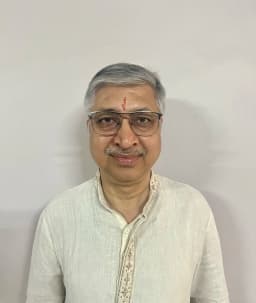
Pt. Amitabh Sharma (56 Years)
Experience: 20
Consults About: Family Planning, Career
Clients In: Punjab, Haryana, Delhi
Share this article with friends and family
WELCOME TO
ZODIAQ
Right Decisions at the right time with ZODIAQ
