What Is The Mystery Of Poos Cold And Shishira?
By Pt. Nilesh Sharma
Shishira Daily Regimen, Poos Night, Meteorology And Tridosha Balance
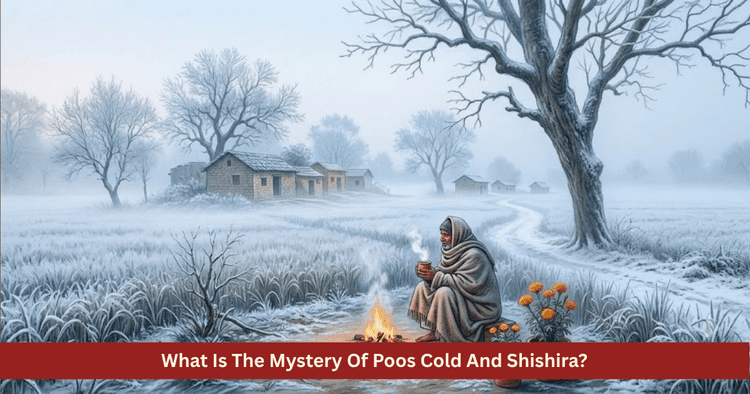
Table of Contents
Natural Essence of Poos Cold and the Advent of Shishira
According to the Vedic doctrines of Sanatana chronological computation, the advent of the sacred month of Paush represents far more than an ordinary transition across lunar pages. It marks a monumental cosmic, environmental and biological junction across the entire Indian subcontinent. With the arrival of Paush, the mild and pleasant winter of Hemanta Ritu gently bids farewell, heralding the formal entrance of Shishira Ritu, classically recognized as the most severe, piercing and intensely freezing season across the annual cycle. This is the exact meteorological phase immortalized in Hindi literature by the legendary writer Munshi Premchand in his celebrated masterpiece 'Poos Ki Raat' (A Night in the Month of Poos). During this intense period, ambient temperatures plummet to absolute annual minimums, a thick blanket of dense white fog descends across northern and central plains and icy polar winds descending from the snow laden crests of the Himalayas sweep across the terrain in severe cold waves.
From a botanical and ecological standpoint, this period serves as nature's grand season of stillness, silence and vital energy conservation. Deciduous trees consciously shed their withered foliage, halting outward branching and upward growth, withdrawing their entire vital life sap deep into subterranean root networks. That which appears barren, desiccated and dormant to external observation is actively engaged in gathering and storing inexhaustible pranic reserves beneath the frozen soil, preparing for the glorious explosion of new life and blossoming in the forthcoming spring. This sharp environmental upheaval exerts an immediate, profound impact upon human physiological humors, blood circulation, respiratory pathways and systemic immune defenses. An individual who comprehends this seasonal shift and aligns daily routines, diet and habits with cosmic rhythms transforms this biting winter into a miraculous instrument for deep health rejuvenation.
| Environmental & Cosmic Dimension | Classical & Scientific Doctrine | Manifest Impact on Nature & Physiology |
|---|---|---|
| Niyam | Vidhan | Vidhan |
| Seasonal Confluence | Cessation of Hemanta and Dawn of Shishira | Atmospheric dryness, severe chill, sharp temperature drops |
| Astronomical Solar Position | Final phase of Dakshinayana nearing Makar Sankranti | Extreme oblique angle of solar rays, minimal daytime radiation |
| Atmospheric Manifestation | Dense fog cover, frost, freezing northwesterly winds | Obscured visibility, deficiency of sunlight, aggravated Vata |
| Botanical Condition | Onset of leaf shedding, withdrawal of sap to roots | Cessation of outward growth, subterranean energy conservation |
| Internal Physiological Humors | Natural aggravation of Vata and accumulation of Kapha | Skin cracking, joint stiffness, respiratory congestion |
| State of Digestive Fire | Internal accumulation of biological thermal energy | Intense digestive fire capable of assimilating rich foods |
| Fundamental Health Regimen | Oil massage, warm unctuous nutrition, basking in sun | Absolute protection against winter blues, stroke, arthritis |
| Esoteric Spiritual View | Introspective meditation, silence, scriptural study | Mastery over senses, inward withdrawal, pranic ascent |
During the arrival of Shishira, as the Sun travels along its lowest celestial arc in the southern sky, the northern hemisphere receives minimal solar thermal radiation. This cosmic law imparts a profound lesson: when external illumination and warmth diminish across the outer world, human beings must kindle the luminous flame of spiritual wisdom within the heart, remaining firmly anchored in inner tranquility.
Astronomical and Meteorological Analysis of Shishira Season
Examined through observational astrophysics and contemporary meteorology, the severe cold of Poos is the direct physical consequence of the earth's 23.5-degree axial tilt relative to the plane of its solar orbit. During the concluding week of December, specifically around December 21 or 22, the astronomical phenomenon known as the Winter Solstice unfolds. On this celestial date, the northern hemisphere experiences its shortest daylight period and longest nocturnal span of the year. Due to this orbital geometry, incoming solar radiation strikes the surface at an extremely acute and oblique angle, causing a substantial percentage of solar energy to scatter through the atmosphere, preventing the ground from warming effectively.
Simultaneously, meteorology documents the eastward movement of mid-latitude temperate cyclones originating over the Mediterranean Sea, scientifically classified as Western Disturbances. These atmospheric systems travel across Iran, Afghanistan and Pakistan, eventually penetrating the Indian subcontinent. When these moisture bearing systems collide with the monumental wall of the Himalayas, severe snowfall and freezing blizzards blanket the elevated terrains of Jammu, Kashmir, Ladakh, Himachal Pradesh and Uttarakhand. Following this snowfall, dense, dry and freezing winds sweep down from the northwest across the sprawling plains of Punjab, Haryana, Rajasthan, Delhi, Uttar Pradesh and Bihar, causing mercury levels to collapse toward freezing point in severe cold waves.
| Astronomical & Weather Dynamic | Scientific Mechanism & Progression | Regional Impact on Indian Subcontinent |
|---|---|---|
| Niyam | Vidhan | Vidhan |
| Winter Solstice Alignment | Sun shines vertically over the Tropic of Capricorn | Longest winter nights and minimum daily solar absorption |
| Western Disturbances | Eastward cyclonic flow from Mediterranean waters | Heavy Himalayan blizzards and localized winter showers |
| Temperature Inversion | Rapid terrestrial radiation and warm air aloft | Formation of dense persistent fog, smog and near zero visibility |
| Polar Subtropical Jet Stream | High velocity cold currents in upper troposphere | Sustained multi-day cold wave conditions across plains |
| Atmospheric Barometric Pressure | High pressure in Central Asia, low over Indian Ocean | Continuous southward flow of dry, biting continental winds |
Another critical meteorological dynamic is known as 'Temperature Inversion'. Throughout the long, quiet nights of Poos, the terrestrial ground rapidly radiates its daytime heat into the upper atmosphere through unobstructed night skies. Consequently, the layer of air resting immediately above the soil becomes substantially colder than the air layers above it. When this cold air layer encounters atmospheric moisture, water vapor condenses into suspended microscopic water droplets, generating widespread, impenetrable fog. This fog layer obstructs incoming solar rays for days at a time, establishing what meteorological departments designate as 'Cold Day Conditions'.
Nature's Silence and the Inward Withdrawal of Energy to Roots
The visual landscape of Shishira unveils one of the most profound metaphysical truths embedded within Sanatana thought. As Hemanta yields to the freeze of Poos, outward botanical expansion ceases entirely. Deciduous trees surrender their yellowing leaves to the earth. Modern botanical science terms this metabolic slowing 'dormancy', whereas Vedic sages described it as 'Prana Samkocha' or the deliberate contraction of life force.
Tree foliage functions primarily to transpire water into the atmosphere. In deep winter, as soil moisture approaches freezing temperatures and root absorption decelerates, trees shed their leaves to prevent systemic dehydration. The entire reserve of vital botanical sap, mineral nutrients and complex carbohydrates travels downward through vascular cambium into deep underground root networks. This is nature's self preservation system. To a casual observer, the forest appears dead, desolate and lifeless, yet it pulses with concentrated vitality deep within subterranean chambers.
- Underground Energy Reserves: Plants convert stored starches into specialized botanical sugars that function as natural antifreeze, preventing intracellular fluids from crystallizing into ice.
- Silent Penance of Seeds: Dormant seeds buried within the cold earth endure freezing frost, hardening their external seed coats to ensure explosive germination in the coming spring.
- Biological Winter Torpor: Amphibians, reptiles, insects and diverse woodland creatures retreat into underground burrows, entering prolonged torpor to conserve metabolic energy.
- The Metaphysical Lesson of Stillness: Nature demonstrates that outward expansion is not the sole purpose of existence. When external circumstances turn harsh, the highest wisdom lies in contracting outward wanderings and returning to foundational roots.
This botanical rhythm offers a practical blueprint for human consciousness. When worldly conditions become challenging, human beings must withdraw their scattered senses, turning inward toward deep meditation and self inquiry.
Physiological and Tridoshic Impact of Severe Cold on Human Biology
Within the clinical framework of Ayurveda, Shishira Ritu is marked by severe provocation of Vata dosha and the initial accumulation of Kapha dosha. The ancient sage Charaka explains in the Sutrasthana of Charaka Samhita that during deep winter, external environmental cold constricts cutaneous pores, preventing the dissipation of internal bodily thermal energy. Consequently, this conserved heat retreats inward, concentrating within the stomach and digestive tract. This physiological dynamic, termed 'Antah Ushma Samrakshana', causes the internal digestive fire known as Jatharagni to blaze with extraordinary intensity.
| Anatomical System | Biological Response to Severe Cold | Manifest Health Vulnerabilities | Classical Ayurvedic Therapies & Regimen |
|---|---|---|---|
| Niyam | Vidhan | Vidhan | Vidhan |
| Metabolism & Digestion | Core concentration of thermal energy in gut | Tissue depletion if sufficient food is withheld | Substantial, unctuous, sweet, nourishing meals |
| Cardiovascular System | Severe peripheral vasoconstriction | Elevated arterial tension, heart attack, stroke | Daily sesame oil massage, warm water, Arjuna bark |
| Musculoskeletal System | Thickening of synovial fluid and Vata excess | Chronic joint pain, sciatica, lumbar stiffness | Nirgundi, Dashamula decoctions, dry herbal fomentation |
| Respiratory System | Inhalation of freezing, dry, unfiltered air | Bronchial asthma, dry cough, sinus congestion | Sitopaladi churna, holy basil, ginger, dry ginger |
| Integumentary System | Inactivity of cutaneous sebaceous glands | Severe epidermal cracking, chapped lips, pruritus | Almond oil application, pure cow ghee, coconut oil |
| Central Nervous System | Vata disturbance induced by biting winds | Severe insomnia, tremors, tension headaches | Ashwagandha, Brahmi, Nasya therapy (oiling nostrils) |
The freezing winds of Shishira intensify the biological qualities of dryness, coldness and lightness, which represent the core attributes of Vata dosha. If the physical body is deprived of unctuous lubrication and substantial nutrition, aggravated Vata desiccates the synovial fluid lubricating skeletal joints, triggering severe arthritis and sciatica. Furthermore, peripheral vasoconstriction forces the heart to pump against heightened vascular resistance, dramatically elevating the incidence of myocardial infarction and ischemic stroke during chilly morning hours.
Literary Realism and Philosophical Depth of 'A Night in Poos'
In the tapestry of Indian literature, the cold of Poos is not merely a seasonal notation but a profound canvas illustrating human struggle, social disparity and existential truth. Munshi Premchand's immortal short story 'Poos Ki Raat' presents its humble protagonist, Halku, as the living embodiment of the agrarian working class, for whom the freezing nights of Poos represent a life or death struggle. Shivering upon a fragile bamboo cot at the edge of his open field, wrapped in a threadbare cotton cloth beside his loyal companion dog Jabra, Halku confronts the relentless cruelty of the elements.
The unforgettable scene where Halku gathers fallen leaves from an orchard to kindle a temporary bonfire, seeking fleeting warmth to forget his earthly miseries, captures the eternal struggle between human resilience and nature's raw forces. The cold of Poos chills the physical frame while testing the moral conscience of social institutions.
- The Philosophy of the Communal Bonfire: In rural Bharat, the winter bonfire is far more than a source of warmth; it serves as a communal sanctuary where wealthy and poor, young and old gather to share life's joys and sorrows.
- The Consciousness of Material Disparity: While affluent urban households experience Poos amidst plush quilts, dry fruits and electric heating, millions of underprivileged souls confront the open sky, struggling to keep their life breath warm.
- The Absolute Neutrality of Cosmic Nature: The elements display no partiality. The freezing winds fall equally upon all, yet the structural inequalities of human civilization dictate how that chill is endured.
- The Furnace of Human Endurance: The extreme trial of Poos tempers human willpower, cultivating patience, physical endurance and indomitable courage in the face of adversity.
This literary dimension reminds us that rather than indulging exclusively in personal comforts during Shishira, our highest moral duty is to extend compassion and warmth to the most vulnerable members of society.
Overcoming Environmental Dampness and Seasonal Affective Disorder
Throughout the month of Poos, prolonged periods without direct sunlight combined with persistent fog and dampness foster an unhealthy atmospheric moisture. This cold humidity penetrates structural walls and living spaces, while simultaneously disrupting vital neurotransmitters within the human brain. Modern clinical psychology identifies this condition as Seasonal Affective Disorder (SAD).
Deficient exposure to natural full spectrum sunlight disrupts circadian rhythms, leading to erratic melatonin production and a drop in serotonin, the neurotransmitter governing mood and joy. Consequently, individuals experience unexplainable melancholia, chronic fatigue, an inability to leave the bed, irritability and pervasive pessimism. Simultaneously, cold, enclosed indoor dampness encourages airborne fungal spores and respiratory pathogens to proliferate within living quarters.
| Pathological Manifestation | Recognizable Symptoms & Signs | Prescribed Classical & Practical Remedies |
|---|---|---|
| Niyam | Vidhan | Vidhan |
| Seasonal Affective Disorder | Melancholia, hypersomnia, profound apathy | Morning bright light therapy, warm saffron infused milk |
| Structural Dampness & Mold | Wall condensation, musty odors, allergies | Evening fumigation with camphor, loban and guggul |
| Respiratory Phlegm Blockage | Labored breathing, sneezing fits, sinus pain | Inhalation of eucalyptus steam, warm saline gargles |
| Cold Induced Joint Stiffness | Early morning stiffness in knees and fingers | Hot fomentation with rock salt, warm sesame oil rubs |
| Sluggish Digestion | Anorexia, abdominal bloating, sour belching | Post meal ginger decoctions, drinking warm water |
To clear stagnant, negative dampness from domestic spaces, one should perform regular evening fumigation using natural cow dung patties infused with unrefined camphor, guggul resin and dried neem foliage. This aromatic medicinal smoke eliminates airborne microbial colonies, dries damp walls and restores wholesome, purified prana throughout the home.
Ideal Daily Regimen and Nutritional Science for Shishira
The seasonal guidelines formulated by ancient Ayurvedic masters for Shishira Ritu are designed to fortify the human biological frame into an impenetrable fortress. Because the internal digestive fire blazes with exceptional intensity, caloric and nutritional intake must be mindfully elevated. Consuming meager or light food during this window forces the digestive fire to consume personal bodily ojas and vital tissues.
Morning Daily Protocol and Oil Massage
Awakening during the peaceful starlit hours of Brahma Muhurta, commence the day with warm water. Following elimination, perform a comprehensive full body oil massage utilizing warm unrefined sesame or mustard oil, a classical practice known as 'Abhyanga'. Massaging the skin stimulates circulation across peripheral capillaries, relaxes tense muscular fibers and pacifies aggravated Vata dosha immediately. Conclude the massage with a refreshing bath in comfortably warm water. Avoid washing the head with excessively hot water, as high temperatures weaken visual acuity and loosen hair follicles.
Nutrient Dense Seasonal Nutrition
Dietary choices during Shishira should remain fresh, steaming hot and unctuous. Emphasizing sweet, sour and mildly salty tastes naturally pacifies Vata humor.
- Daily Consumption of Sesame and Jaggery: Sesame seeds provide bioavailable calcium, minerals and essential fatty acids, while dark jaggery supplies iron and sustained metabolic warmth. Together, they strengthen bones and generate internal heat.
- Flatbreads of Pearl Millet and Maize: Pearl millet is inherently warming and energizing. Consuming it alongside pure cow ghee and freshly churned butter ensures sustained energy release throughout cold days.
- Lush Green Winter Foliage: Bathua, fenugreek greens, tender spinach and mustard leaves act as medicinal nectar during this season, promoting gastrointestinal motility and providing vital micronutrients.
- Restorative Herbal Confections: Consuming confections prepared from acacia gum, almonds, walnuts, pistachios, poppy seeds and pure cow ghee alongside warm milk at dawn builds a year long reservoir of robust immunity.
- Culinary Infusion of Digestive Spices: Generous culinary use of cinnamon, cloves, black pepper, dry ginger powder, long pepper and mace prevents phlegm accumulation, keeping bronchial pathways clear and warm.
Contemplative Sadhana and Philosophical Vision During Shishira
The seasonal juncture of Shishira extends far beyond physical preservation, representing an exalted opportunity for deep introspective contemplation and spiritual evolution. When cosmic nature silences external activities, compelling human beings to withdraw into sheltered domestic spaces, an ideal environment for solitary spiritual practice is established.
Sanatana traditions honor this season as the premier period for silence, scriptural reflection and ascetic discipline. The prolonged winter nights provide ample time to explore deep meditation. When external ambient noise subsides into frozen silence, sitting with an erect spine to focus upon the third eye center leads the wandering mind into states of meditative absorption with effortless ease.
| Spiritual Discipline | Prescribed Scriptural Method | Tangible Mental & Spiritual Fruit |
|---|---|---|
| Niyam | Vidhan | Vidhan |
| Brahma Muhurta Dhyana | Sitting in silence between 4 AM and 5 AM | Absolute focus and dissolution of mental chatter |
| Gayatri & Solar Chanting | Facing the eastern horizon chanting Gayatri | Radiance of willpower and destruction of dark thoughts |
| The Practice of Silence | Maintaining total silence for two hours daily | Conservation of vital speech prana, nervous rejuvenation |
| Scriptural Reflection | Contemplating Gita and Upanishads near a lamp | Awakening of higher discernment, freedom from delusion |
| Daily Agnihotra Rites | Performing miniature fire offerings with cow ghee | Total elimination of psychic negativity, spatial purification |
During this season, human beings must discard superficial arrogance, bowing before the majesty of cosmic nature. We must realize that life encompasses cold and warmth, joy and sorrow in harmonious succession. Without the biting severity of winter chill, the sweet blossoms of spring cannot emerge. The soul that endures these winter trials with tranquil patience earns the spiritual qualification to flourish in radiant glory when spring arrives.
Winter Charity and the Spiritual Duty of Social Compassion
The foundational objective of Sanatana culture is never confined to individual liberation but seeks the holistic welfare of the entire living cosmos. The freezing cold of Poos serves as an urgent reminder that if we neglect the vulnerable, the destitute and voiceless animals around us, our formal rituals and prayers remain hollow and unfulfilled.
Classical scriptures proclaim that warm gifts extended during winter cold reach the feet of the Supreme Lord directly. Serving suffering humanity in this biting season carries greater spiritual merit than visiting distant temples.
- Distributing Warm Woolens and Quilts: Providing heavy woolen blankets, quilts, warm sweaters and shoes to impoverished souls surviving upon footpaths and in fragile huts is direct worship of Lord Narayana.
- Organizing Public Bonfires: Arranging clean firewood for bonfires at major traffic junctions, outside hospitals, night shelters and transport hubs where laborers shiver through the night is a noble public charity.
- Winter Protection in Cow Shelters: Shielding sacred cattle and calves from freezing drafts by hanging thick tarpaulins, spreading dry straw bedding and feeding them warm mashes enriched with jaggery and fenugreek satisfies thirty-three categories of celestial deities.
- Nourishing Birds and Street Animals: Providing warm nourishment, grains and safe dry shelters for street dogs and wandering birds struggling in the cold is an indispensable duty of righteousness.
When human beings open their hearts to relieve the suffering of others, the cold isolation of selfishness melts away and the divine warmth of universal compassion floods the soul.
Total Life Transformation Through the Gateway of Shishira
The biting cold of Poos and the arrival of Shishira Ritu deliver a transformative message to human awareness. This season reveals that life does not flow in a monotonous line but moves in cyclical rhythms of renewal. Just as nature sheds its withered foliage, withdrawing its life force into deep roots to prepare for the glory of spring, human beings must consciously discard past failures, regrets and negative habits, gathering vital energy within.
This severe cold is a crucible testing human resolve. An individual who honors seasonal disciplines, awakens before dawn, nourishes the frame with wholesome unctuous foods, maintains an internal flame through yoga and meditation and fulfills compassionate duties toward society achieves lasting triumph in all worldly and spiritual endeavors. The severity of Shishira is nature's sacred forge, designed to refine our character into pure spiritual gold. Let us understand the deeper rhythm of this season, unite our awareness with nature and awaken our inner divinity amidst the winter chill to live a life of lasting purpose and peace.
FAQ
What is the primary meteorological cause of the severe cold experienced during Poos? The severe cold is caused by the Winter Solstice where solar rays strike at an extreme oblique angle, combined with Western Disturbances bringing snowfall to the Himalayas and driving freezing northwesterly cold waves across the plains.
What is the fundamental difference between Hemanta Ritu and Shishira Ritu? Hemanta Ritu marks the gentle, pleasant onset of early winter, whereas Shishira Ritu represents the peak of severe winter characterized by extreme frost, dense fog and biting cold waves.
Why does human digestive fire intensify in winter and what health benefits does it offer? Cutaneous pores contract against external cold, preventing the escape of internal thermal energy; this heat concentrates within the digestive tract, igniting a powerful digestive fire that easily digests nutrient dense foods.
What practical steps should be taken to overcome Seasonal Affective Disorder in deep winter? Bask in morning sunlight, fumigate living rooms with natural camphor and guggul, consume warm unctuous meals and practice daily meditation and silence.
Which botanical oil is considered best for body massage during Shishira Ritu? Pure unrefined sesame oil or cold pressed mustard oil is considered best for winter body massage, as it pacifies aggravated Vata dosha and strengthens musculoskeletal structures.
Get your accurate Kundali
Generate KundaliDid you like it?
Author

Pt. Nilesh Sharma (63)
Experience: 20
Consults About: Family Planning, Career
Clients In: Punjab, Haryana, Delhi
Share this article with friends and family
WELCOME TO
ZODIAQ
Right Decisions at the right time with ZODIAQ
