How to Keep Winter Fast in Pausha?
By Pt. Nilesh Sharma
Scientific Winter Fasting Rules, Diet Choices And Precautions in Pausha
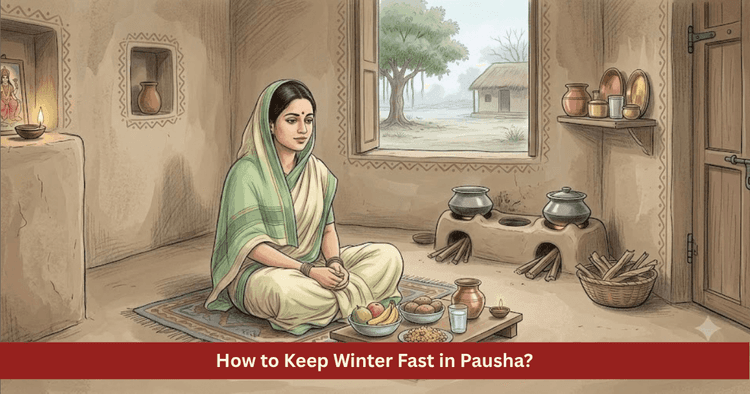
Table of Contents
According to the classical computational principles of the Vedic calendar, the holy month of Pausha marks that intensely sacred, contemplative and spiritually charged seasonal transition between the seasons of Hemanta and Shishira when the supreme solar deity Lord Surya transits across the outermost boundary of his southern celestial journey termed Dakshinayana. Within ordinary public perception, an erroneous assumption often prevails that observing a sacred fast poses a severe physical trial exclusively amidst the scorching heat and thirst of the summer months, yet venerable Ayurvedic physicians, accomplished masters of Ashtanga Yoga and contemporary human physiologists confirm without dispute that observing a fast amidst the biting frost of Pausha represents a far more intricate, demanding, delicate and biologically sensitive discipline for the human constitution. When environmental temperatures plunge toward annual extremes during the peak of winter, the human physical body is compelled to burn an unusually large volume of biological energy, cellular glucose and metabolic calories merely to maintain its internal core body temperature at the optimal physiological baseline of 37 degrees Celsius. When piercing seasonal winds touch human skin, microscopic peripheral blood vessels contract rapidly, forcing the cardiovascular system and internal organs to work with doubled intensity simply to preserve systemic thermal stability.
Under this distinctive astronomical and meteorological configuration, when a devout seeker resolves to observe sacred fasts falling within the month of Pausha, such as Saphala Ekadashi, Putrada Ekadashi, Bhauma Pradosha or Sankashti Ganesha Chaturthi and completely or partially curtails the regular consumption of grains and water, internal metabolic processes experience immediate physiological strain. If an individual relies thoughtlessly on cooling fruits, refrigerated water or excessively heavy starches throughout the fasting window, the internal digestive fire known as Jatharagni becomes extinguished, provoking an aggressive imbalance across the biological humors of wind and phlegm. As an immediate consequence, the practitioner frequently experiences severe uncontrollable shivering, painful joint stiffness, sudden drops in systemic blood pressure, migraine headaches, sudden lightheadedness and debilitating indigestion accompanied by gastric bloating. therefore observing a winter fast during Pausha should never be treated as an act of blind physical obstinacy or mechanical ritualism; it must be practiced strictly according to the unified principles of traditional Ayurveda, yogic science and clinical physiology. The foundational components, dietary choices, fluid management protocols and essential precautions of this winter discipline appear systematically organized in the table below.
| Fasting Component | Common Habit and Physical Error | Scientific Winter Modification | Astrological and Ayurvedic Benefit |
|---|---|---|---|
| Water Consumption Protocol | Drinking chilled or room temperature water | Sipping lukewarm water stored in copper with raw honey | Calming the wind humor, clearing phlegm and boosting circulation |
| Selection of Fruits and Foods | Eating cooling bananas oranges and raw citrus | Consuming roasted peanuts, fox nuts, almonds, walnuts and dry dates | Generating sustained thermic warmth, tissue nutrition and stable energy |
| Primary Fasting Preparation | Relying solely on deep fried tapioca pearls | Consuming water chestnut or buckwheat pudding cooked in ghee | Fueling digestive metabolism, protecting the intestines and preventing fatigue |
| Therapeutic Beverages | Drinking chilled buttermilk, sweet lassi or cold water | Drinking warm herbal decoctions of ginger, basil, licorice and cinnamon | Safeguarding bronchial tissues, boosting immunity and restoring vigor |
| Post Fast Breaking Protocol | Consuming heavy, fried, greasy and spicy meals | Consuming light yellow lentil porridge with indigenous cow ghee and cumin | Relieving intestinal strain, clearing toxins and soothing digestive organs |
| Meditation and Daily Posture | Sitting upon uninsulated cold marble floors | Mandatory seating upon thick woolen mats and protective wraps | Shielding spinal nerves, steadying the nervous system and conserving prana |
What Biological Changes Occur During a Winter Fast?
According to contemporary human physiology, whenever an individual steps into freezing atmospheric weather, the physical organism activates an automated biological survival mechanism called thermogenesis to safeguard living tissues from cold damage. Throughout this metabolic process, the body burns its stored reserves of subcutaneous fat, liver glycogen and circulating glucose to generate internal heat so that vital somatic organs like the brain, heart, liver and kidneys continue functioning normally. When an aspirant undertakes an absolute waterless fast or an extended period of dietary deprivation during Pausha, blood glucose levels begin plummeting at an accelerated pace because an extensive portion of available caloric energy is expended solely on maintaining internal core temperature.
If the human body is deprived of wholesome warm sattvic elements at this crucial juncture, muscular tissues are forced to break down their own protein reserves, bringing on rapid physical exhaustion, blurred vision and involuntary tremors. Classic medical treatises like the Charaka Samhita and the Sushruta Samhita state unequivocally that during the cold season, atmospheric contraction causes the digestive fire inside the stomach to burn with intense ferocity. If this powerful digestive combustion receives no appropriate fuel in the form of wholesome seasonal nourishment, it begins consuming the seven subtle tissues of the physical body, drying up vital fluids. For this exact reason, aspirants observing spiritual fasts during winter need to exercise far greater vigilance than in the summer months, selecting nutrient dense foods that remain easy to digest while delivering stable internal heat and vitality.
Which Cooling Fruits and Chilled Drinks Must Be Avoided?
The most widespread error committed during fasting in Pausha is the unthinking adoption of dietary menus traditionally suited for spring or autumn observances. Ingesting raw bananas, cold oranges, citrus sweet limes, watery grapes, melons, raw cucumbers and chilled sweet yogurt beverages acts like a physiological burden during winter fasts. All these items possess an intensely cold thermal potency, triggering an immediate spike in bodily phlegm. Consuming them precipitates throat irritation, dense bronchial congestion and airway constriction, causing respiratory discomfort and lingering chest tightness.
Furthermore, water taken directly from cold taps or drinks prepared with ice cubes should never be consumed while observing a sacred fast. When ice cold fluids enter the gastric chamber, the digestive system must divert precious internal warmth and metabolic energy simply to bring that cold fluid up to core biological temperature, severely blunting the release of gastric juices and digestive enzymes. During a winter fast, an aspirant should select only those seasonal fruits that provide clean fuel without disrupting thermal equilibrium. For instance, consuming measured portions of ripe papaya, peeled sweet apples, deseeded dates, dried golden raisins, soaked dry figs and dried dates works wonders during the cold season. These nourishing fruits provide clean natural fructose, supplying the brain with constant energy without snuffing out the gastric fire.
Which Warming Foods Should Be Prioritized in Pausha?
To protect the core metabolic fire during a fast in Pausha, dietary selections must be guided by practical physiological reasoning to support both bodily health and spiritual focus.
The foremost position belongs to warm fox nut pudding. The fox nut originates from the pristine lotus seed, serving as a pure sattvic substance that provides abundant calcium, magnesium, phosphorus and clean plant protein. Simmering fox nuts slowly in pure cow milk seasoned with raw rock sugar, green cardamom and genuine saffron creates a warm dish that restores somatic vitality almost immediately. This traditional pudding nourishes cardiac muscles, stabilizes heart rhythms and prevents the uncomfortable lightheadedness often experienced during long hours of fasting.
The second position belongs to flour milled from water chestnuts and buckwheat. Buckwheat possesses an inherently warming thermal action, providing plentiful dietary fiber and essential amino acids that shield muscles from degradation. Preparing a hot sweet porridge by gently roasting buckwheat or water chestnut flour in unadulterated indigenous cow ghee preserves the metabolic fire without overloading the liver. The healthy fats contained within pure cow ghee lubricate the bodily joints, preventing the painful morning stiffness in the knees, spine and neck often brought on by freezing temperatures.
The third position belongs to roasted country peanuts paired with unprocessed sugarcane jaggery. Peanuts have long been regarded as an affordable alternative to almonds, offering abundant unrefined plant oils, natural minerals and dense vegetarian protein. Consuming a modest handful of freshly roasted peanuts alongside unrefined jaggery during fasting hours keeps systemic iron levels balanced and encourages healthy blood flow through peripheral capillaries. Pure jaggery naturally elevates core body heat, encouraging gentle liver detoxification throughout the duration of the fast.
The fourth position belongs to the mandatory use of warm herbal teas brewed with fresh ginger, holy basil and cinnamon. During both morning and evening hours of the fast, an individual should boil crushed fresh ginger rhizome, five leaves of holy basil, a pinch of licorice root and ground cinnamon in clean water, drinking the infusion lukewarm. This therapeutic tea opens constricted blood vessels, discourages cold weather vascular sluggishness and instantly sweeps away the mental fog and lethargy that often accompany fasting in cold climates.
What Are the 5 Vital Hydration Rules for Winter Fasts?
During the cold season, human thirst signals become significantly muted due to the absence of sweating, leading many individuals to neglect fluid intake during their fasts, which triggers cellular dehydration and the buildup of metabolic toxins.
-
Sipping warm water at scheduled intervals: Throughout the 24 hour fasting window, one should consume between 2 and 2.5 liters of clean lukewarm water, sipping it slowly throughout the day. Avoid gulping down massive amounts of water in a single sitting. Consuming warm water steadily supports regular peristalsis and allows the kidneys to flush out uric acid and metabolic waste products without strain.
-
Consuming lukewarm honey water: Before commencing the formal morning prayers, stir a spoonful of raw organic honey into a cup of lukewarm water and drink it slowly. If one does not suffer from gastric acidity, adding two drops of fresh lemon juice is also helpful. Pure honey serves as an exceptional source of natural carbohydrates that shields the practitioner from sudden blood sugar crashes, maintaining a steady release of physical stamina throughout the day.
-
Safe usage of water stored in copper vessels: Fill an untarnished copper pitcher with clean water before sleeping, letting it rest undisturbed overnight upon a wooden surface and warm this water slightly before drinking it the following morning. Water stored in copper balances all three constitutional humors and eliminates harmful gut bacteria, preventing the uncomfortable bloating, gas and fullness that frequently arise while fasting.
-
Total elimination of excessive tea and coffee: Many people make the serious mistake of consuming cup after cup of sugary black tea or commercial coffee during their fasts to chase away the cold and suppress hunger pangs. This practice harms internal tissues. Caffeinated drinks pull water out of living cells, causing dehydration while provoking painful acid reflux and gastric inflammation.
-
Drinking coconut water strictly at room temperature: Fresh coconut water provides an unmatched balance of natural electrolytes but it must never be consumed cold during Pausha. Always allow the fresh coconut water to rest indoors until it reaches room temperature and drink it outdoors under gentle midday sunlight to replenish essential minerals safely.
What Cautions Are Mandatory for Ekadashi, Pradosha and Chaturthi?
Sacred observances falling across Pausha possess distinct scriptural requirements that must be practiced with thoughtful care during the winter chill.
When undertaking the fast of Saphala or Putrada Ekadashi, if a seeker wishes to observe an absolute waterless fast, they must evaluate their physical strength and health honestly beforehand. Expectant mothers, nursing women, the elderly, those with chronic respiratory conditions and individuals managing diabetes must strictly refrain from waterless fasting during the freezing weather of Pausha. Ancient wisdom reminds us that the physical body is the foundational instrument for all righteous conduct, meaning an austerity that causes somatic harm yields no authentic spiritual fruit. Such individuals should observe Ekadashi by consuming warm water, boiled milk and wholesome fasting foods.
Likewise, individuals observing Bhauma Pradosha or Soma Pradosha should fast during daylight hours and partake of warm fasting foods only after completing the evening worship of Lord Shiva. Environmental temperatures drop sharply at sunset during the Pradosha window. Immediately following the conclusion of evening prayers, one should drink warm milk boiled with a touch of saffron and dry ginger powder to prevent sudden hypothermic chills. On the day of Sankashti Ganesha Chaturthi, tradition prescribes abstaining from liquids until the moon rises. The moon often rises late amidst thick winter fog during Pausha, so the moment the lunar libation is completed from a copper chalice, one must first sip warm water before eating any solid foods.
What Is the Protocol for Concluding and Breaking the Fast?
Concluding a fast correctly through the practice of Parana holds far more biological importance than the hours of fasting that precede it. When breaking a sacred fast on the morning following the observance during Pausha, the primary precaution is to avoid heavy, fried or intensely spiced food. After resting in a quiet digestive state for an entire day, the intestinal lining becomes delicate and sensitive.
On the morning of Parana, following prayers and a warm bath, begin by sipping a cup of warm water steeped with roasted cumin seeds and a pinch of rock salt. Thirty minutes later, consume a warm, soupy porridge made from husked yellow moong lentils and newly harvested rice, enriched with a spoonful of pure cow ghee and a pinch of asafoetida. This simple lentil preparation provides easily absorbed nutrients without taxing the digestive organs, calming the biological humors. Never break a winter fast with deep fried flatbreads, heavy pastries or dense commercial sweets, as doing so ruins the physiological detoxification achieved through fasting and can provoke immediate illness.
What Is the Spiritual Code of Winter Fasting?
Within authentic Vedic philosophy, fasting is never about starving the physical body; the term Upavasa consists of 'Upa', meaning close to and 'Vasa', meaning to dwell, signifying drawing our sensory perceptions inward to rest near the divine. The cold season of Pausha teaches us that just as outer nature sheds its leaves and retreats inward to preserve life, a spiritual seeker must reign in turbulent sensory cravings, palate attachments and bodily distractions to connect with the soul. When we fast through the freezing temperatures using conscious physiological wisdom, unwavering mental focus, self discipline and peaceful clarity arise within us. This internal restraint burns away anger, greed, ego and sensory attachments, purifying consciousness like refined gold. When physical science and spiritual devotion unite in this manner, fasting heals the physical body while illuminating the soul with that eternal divine light where illness, fear and suffering can never enter.
FAQ
Is it medically safe to observe an absolute waterless fast during the cold of Pausha? Because the human body requires continuous fuel and water to generate internal heat and support thermoregulation during extreme winter cold, waterless fasts should be avoided unless the practitioner possesses exceptional physical health and extensive yogic training. Consuming warm water, boiled milk or therapeutic herbal teas provides a far safer spiritual practice during this cold season.
How can one avoid severe chills and shivering while fasting in winter? To keep internal core temperature stable during a winter fast, avoid cooling fruits and drink warm decoctions of fresh ginger, holy basil and cinnamon twice a day. Enrich your evening fasting meal with roasted peanuts, warm fox nut pudding and water chestnut flour halwa prepared in unadulterated cow ghee.
Which fruits are most beneficial to consume during a winter Ekadashi fast? During a winter Ekadashi in Pausha, avoid bananas oranges and cold citrus fruits. Instead, choose ripe papaya, peeled sweet apples, soft dates, soaked golden raisins and tree nuts like almonds and walnuts, which deliver natural energy and healthy fats without aggravating phlegm.
Is it healthy to consume frequent cups of sweet milk tea while fasting? Drinking repeated servings of sweetened commercial tea or coffee throughout a fast is very harmful to internal tissues. The caffeine contained in these beverages speeds up cellular dehydration, elevates uric acid levels and provokes severe stomach acid irritation. Replace commercial beverages with warm herbal waters or mild lemon water.
What is the ideal first meal to consume when breaking a winter fast? When breaking a sacred winter fast during Parana, always start by sipping a cup of warm water. After a short rest, the most beneficial meal is a warm, easily digestible porridge prepared from split yellow moong lentils and rice, seasoned with pure cow clarified butter and a gentle pinch of asafoetida.
Get your accurate Kundali
Generate KundaliDid you like it?
Author

Pt. Nilesh Sharma (63)
Experience: 20
Consults About: Family Planning, Career
Clients In: Punjab, Haryana, Delhi
Share this article with friends and family
WELCOME TO
ZODIAQ
Right Decisions at the right time with ZODIAQ
