What Is The Mystery Of Traditional Thandai?
By Pt. Abhishek Sharma
Balance Of Cannabis, Nuts And Spices In Classical Ayurveda
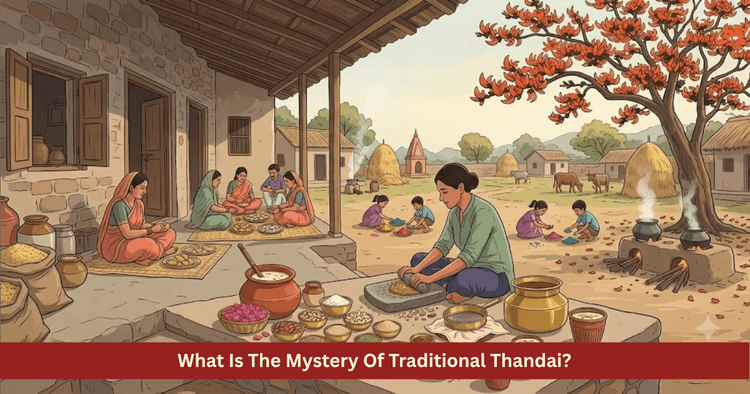
Table of Contents
Panchang Description And The Seasonal Science Of Refreshment
The temporal junction spanning the full moon night of Phalguna and the opening lunar day of the dark fortnight in the month of Chaitra is venerated across the Vedic calendar as a grand festival balancing elemental fire and cosmic water. While the consecrated pyre of Holika Dahan consumes outward environmental pathogens and subtle negativity through blazing heat, the subsequent daytime festival of colors demands internal cooling, soothing nourishment and neurological restoration through the consumption of authentic Vedic thandai.
According to traditional computation, this concluding phase of Phalguna heralds the transition from winter cold into mounting summer heat. Solar radiation intensifies rapidly, aggravating internal bodily pitta and destabilizing the digestive fire. Ancient classical treatises classify thandai not merely as a festive refreshment but as an exceptional rejuvenating elixir and adaptogenic formulation designed to restore biological harmony.
| Astrological and Botanical Metric | Classical and Scientific Parameter |
|---|---|
| Sacred Calendar Conjunction | Phalguna Purnima to Chaitra Krishna Pratipada |
| Pharmacological Nature | Pitta Pacifying, Vata Soothing, Strength Giving Elixir |
| Foundational Fluid Base | Raw Boiled Indigenous Cow Milk and Pure Water |
| Natural Sweetening Agent | Unrefined Raw Rock Sugar (Thread Mishri) |
| Energetic Temperament | Thermally Balanced with Cooling and Digestive Action |
| Presiding Sovereign Deity | Lord Mahadeva Shiva (Symbol of Lunar Soma Nectar) |
| Bestowed Physiological Benefit | Extinguishing Systemic Burning, Calming Nerves, Vitality |
To assimilate the comprehensive spiritual and physiological benefits of traditional thandai during the spring festival, a practitioner must maintain disciplined scriptural decorum from dawn onward.
- Awakening before sunrise during Brahma Muhurta, bathing in cool water and sanctifying the culinary preparation area.
- Utilizing strictly earthenware, copper, bronze or silver vessels for steeping, blending and serving the beverage.
- Steeping all raw nuts, seeds and botanicals overnight in fresh earthenware bowls or glass vessels filled with pure water.
- Avoiding modern electrical blenders, preferring traditional hand grinding upon clean stone slabs using seasoned wooden pestles.
- Offering the consecrated preparation first at the lotus feet of Lord Mahadeva Shiva and Sri Radha Krishna.
- Chanting the sacred formula Om Namah Shivaya or the classical Soma mantra eleven times with deep mental stillness during the offering.
- Eliminating completely artificial chemical flavors, synthetic commercial colors and refined white cane sugar.
- Partaking of the drink slowly in modest sips during the early afternoon following outdoor color celebrations with a peaceful mind.
Vijaya (Cannabis) In Classical Ayurveda And Sacred Decorum
No discourse on the spring festival of Phalguna is complete without addressing cannabis, classically known as Vijaya. However, modern commercial society has corrupted this sacred botanical into an abusive, toxic and socially degrading intoxicant. Foundational treatises of Indian medicine, including the Bhavaprakasha Nighantu and Rasatarangini, classify cannabis not as a lethal poison but as an upavisha-a potent secondary therapeutic agent requiring precise pharmaceutical processing.
In authentic Sanskrit nomenclature, it is crowned as Vijaya, signifying the botanical that grants victory over disease and bodily suffering. Scriptural lore recounts that when Lord Shiva consumed the deadly cosmic poison during the churning of the ocean of milk, intense burning inflamed his throat and subtle energy channels. To soothe this cosmic inflammation, Goddess Parvati and the celestial devas offered cool Vijaya leaves to the Lord. Since that era, the properly processed herb has been associated with Shiva worship.
| Pharmacological and Esoteric Trait | Classical Ayurvedic Action | Observable Biological Impact | Repercussion of Uncontrolled Abuse |
|---|---|---|---|
| Bitter and Astringent Tastes | Pacification of Kapha and Vata | Expansion of Pulmonary Bronchial Passages | Dehydration and Oral Mucous Dryness |
| Heating Potency with Digestive Fire | Stimulating Sluggish Metabolism | Rapid and Balanced Flow of Gastric Fluids | Gastric Hyperacidity and Peptic Lesions |
| Pervasive Neuro-Active Property | Relaxation of Central Nervous System | Dissolution of Chronic Mental Anxiety | Hallucinations, Dread, Nervous Debility |
| Sedative and Analgesic Efficacy | Interruption of Pain Signaling | Relief from Severe Insomnia and Joint Aches | Persistent Lethargy and Loss of Willpower |
Classical medicine strictly forbids consuming raw, unpurified, dried or combusted cannabis. Traditional purification mandates that raw foliage must be boiled in cow milk or acacia bark decoctions, washed thoroughly in running water, dried in the shade and lightly roasted in indigenous cow clarified butter before inclusion in micro-doses within thandai.
When purified Vijaya is combined with massive proportions of raw almonds, cooling fennel, melon seeds and unboiled milk, its intoxicating effects are neutralized, leaving only its deep therapeutic and restorative virtues active. Those who consume crude preparations for sensual indulgence or reckless intoxication commit an unrighteous act, damaging their central nervous systems permanently.
The Eight Sacred Ingredients And The Science Of Tridoshic Balance
Authentic Vedic thandai was never conceived merely as a culinary luxury; it is a bio-chemical formulation designed to nourish the seven foundational bodily tissues-plasma, blood, muscle, adipose, bone, bone marrow and reproductive essence. The scientific functioning of its eight principal components is detailed below:
- Fennel Seeds (Madhurika): Serving as the soothing foundation, fennel seeds provide sweet and bitter tastes with cooling energetic potency. They neutralize excess gastric acid, relieve heartburn and refresh optical nerves.
- Black Peppercorns (Maricha): Including black pepper represents an ingenious pharmacological counterweight. Because milk, almonds and fennel are dense and deeply cooling, they can generate pulmonary congestion. Black pepper stimulates digestive fire and clears respiratory pathways.
- Almonds and Pistachios: Furnishing bioavailable vitamin E, omega fatty acids and natural lipids, these nuts regenerate cerebral cells and strengthen the central nervous system.
- Poppy Seeds (Khaskhas): Possessing gentle sedative properties, poppy seeds soothe muscular tension and relieve chronic insomnia, dispelling the nervous restlessness of early spring.
- Melon Seeds (Magaj): Sourced from ripe cantaloupes and watermelons, these seeds are mild diuretics that clear burning sensations in the urinary tract, assisting renal filtration.
- Green Cardamom: Cardamom activates digestive enzyme secretions, expels gastrointestinal gas, eliminates breath odors and tones cardiac tissues.
- Fragrant Rose Petals: Dried petals of indigenous pink roses soothe systemic hepatic heat, purify the bloodstream and impart a calm disposition to the mind.
- Saffron Strands (Kunkuma): A supreme rejuvenative spice, saffron accelerates peripheral circulation, elevates bodily immunity and enhances skin complexion.
Traditional Stone Grinding Protocol And Scientific Preparation
To shield your household from commercial industrial chemicals during the spring festival, preparing authentic thandai utilizing classical domestic protocols yields immense health benefits.
-
Requisite Ingredients (Formulated for Four Seekers):
- 50 grams whole raw almonds (soaked overnight and peeled)
- 25 grams whole green fennel seeds
- 20 grams unwashed poppy seeds
- 20 grams mixed melon seeds (watermelon and cantaloupe)
- 15 to 20 whole black peppercorns
- 6 to 8 whole green cardamom pods
- 2 tablespoons dried petals of indigenous aromatic pink roses
- 10 to 12 strands pure Kashmiri saffron
- Ground unrefined raw thread rock sugar to taste
- 1 liter raw boiled and cooled indigenous cow milk
-
Liturgical Preparation Method:
- Combine the peeled almonds, fennel, poppy seeds, melon seeds, black pepper, cardamom seeds and rose petals in an earthenware container, submerging them in pure water for 6 to 8 hours.
- Transfer the soaked botanicals along with their water onto an unblemished stone slab or into a traditional stone mortar.
- Grind the mixture rhythmically utilizing a pestle carved from seasoned neem or rosewood until the botanicals transform into a smooth buttery paste. This hand grinding is celebrated across Braj as ghotai.
- Blend a cup of cool spring water into the thick paste, pouring the liquid into a clean, unbleached cotton muslin cloth.
- Gather the four corners of the cloth, wringing firmly with both hands to filter the concentrated herbal extract and nut milk into a waiting collection bowl.
- Stir the cold cow milk, crushed raw rock sugar and pre-infused saffron milk into this strained botanical essence.
- Serve the finished beverage within fresh earthenware cups, garnished with slivered pistachios and dried rose petals. This elixir imparts coolness to the physical vessel and tranquility to the mind.
Neurological Benefits, Sleep Quality And Nervous System Regulation
Modern neurobiology and psychosomatic medicine recognize that the seasonal junction between winter and summer disturbs the human circadian rhythm. Lengthening daylight hours alter the natural secretion patterns of melatonin, leading to sleep fragmentation, daytime irritability and cognitive fatigue.
The combination of poppy seeds, fennel and raw almonds found in authentic thandai naturally elevates the synthesis of serotonin and gamma-aminobutyric acid (GABA) within the cerebral cortex.
| Neurological Imbalance | Action of Classical Thandai Botanicals | Observable Physiological Improvement |
|---|---|---|
| Chronic Insomnia and Sleep Fragmentation | Sedative action of poppy seeds and fennel | Deep, restorative and uninterrupted sleep cycles |
| Severe Mental Anxiety and Neural Strain | Essential lipids and magnesium from almonds | Suppression of cortisol and neurological calm |
| Emotional Irritability and Pitta Heat | Cooling action of rose petals and rock sugar | Regulation of vascular pressure and cranial peace |
| Memory Exhaustion and Cognitive Torpor | Stimulating properties of saffron and cardamom | Enhanced neuronal plasticity and sharp focus |
This sacred formulation soothes hyperactive nervous impulses, anchoring the mind in stability. For individuals fatigued by hours of outdoor celebrations under the spring sun, this drink restores hydration and essential electrolytes, reviving biological tissues.
Scriptural Precautions And Dietary Protocols
While authentic traditional thandai functions as a restorative elixir, observing specific Ayurvedic and social boundaries remains imperative:
- Individuals diagnosed with chronic diabetes must omit raw rock sugar entirely or incorporate minimal natural alternatives under medical guidance.
- If purified cannabis is incorporated into the preparation, it must never be administered to children, expectant mothers, cardiac patients or adolescents.
- The beverage should be consumed exclusively during daytime hours, ideally between noon and 3:00 PM; nocturnal ingestion aggravates kapha and causes heavy digestion.
- Avoid consuming dense, deep fried or heavily spiced foods immediately following thandai, as this combination creates metabolic stagnation.
- Procuring crude, unverified commercial preparations from street vendors must be avoided, as these products often contain adulterated chemicals.
- This preparation should be received with reverence as sacred temple prasad of Lord Shiva, never allowing it to descend into an instrument of reckless self-indulgence.
FAQ
What is the primary scientific reason for drinking thandai during Holi?
Thandai is consumed to pacify aggravated pitta heat caused by rising spring temperatures, providing natural hydration and neurological balance.
What are the foundational nuts and spices present in authentic Vedic thandai?
Authentic thandai contains almonds, fennel seeds, poppy seeds, melon seeds, black peppercorns, green cardamom, rose petals, rock sugar and saffron.
Why is unrefined rock sugar preferred over commercial white sugar?
Commercial sugar is chemically bleached and acid forming, whereas raw thread rock sugar possesses natural cooling properties that soothe systemic pitta.
How does classical Ayurveda classify the cannabis plant?
Ayurveda categorizes cannabis as an upavisha or secondary therapeutic agent, which alleviates chronic pain and anxiety when purified and dosed carefully.
Why is manual stone grinding superior to electrical blenders for thandai?
Manual stone grinding prevents friction heat, preserving the volatile medicinal oils of botanicals while integrating them smoothly into the liquid base.
Get your accurate Kundali
Generate KundaliDid you like it?
Author

Pt. Abhishek Sharma (63)
Experience: 20
Consults About: Family Planning, Career
Clients In: Punjab, Haryana, Delhi
Share this article with friends and family
WELCOME TO
ZODIAQ
Right Decisions at the right time with ZODIAQ
