What Is The Spiritual Lore Of Chandan Yatra In Jagannath Puri?
By Pt. Abhishek Sharma
Akshaya Tritiya Chandan Yatra, Bahara & Bhitara Phases, Narendra Sarovara Boat Rites And Chariot Lore
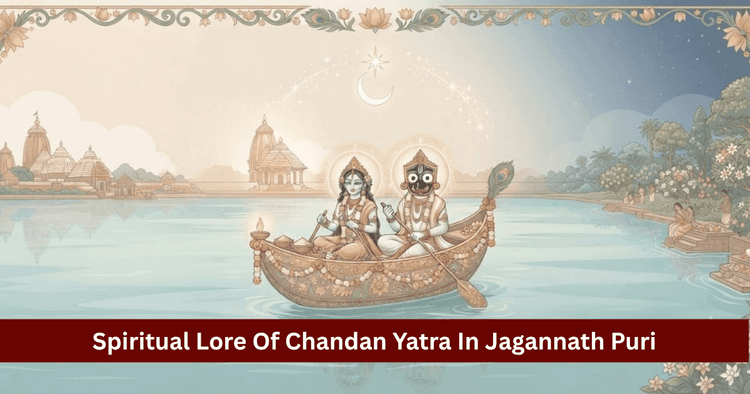
Table of Contents
Panchang Description And The Astrological Dimensions Of Chandan Yatra
Within classical predictive astrology, the Utkala Khanda, the Purushottama Kshetra Mahatmya of the Skanda Purana and the ancient Record of Rights of the Sri Jagannath Temple in Puri, the third lunar day of the waxing fortnight in Vaishakha-Akshaya Tritiya-marks the inaugural dawn of the world-renowned 42-day Chandan Yatra (The Sandalwood Festival). This sacred observance stands as the longest, most elaborate summer aquatic festival celebrated within any major temple complex across the Indian subcontinent.
From an astronomical perspective, Akshaya Tritiya represents the annual double-exaltation dynamic: Lord Surya Deva transits at 10° Aries (Mesha), while Chandra Deva occupies 3° Taurus (Vrishabha). This celestial conjunction heralds the arrival of peak dry heat across coastal Odisha and the northern plains. Lord Jagannath is adored in Puri as Darubrahma (the Supreme Consciousness manifest in sacred neem wood), engaging in intimate human-like lilas (Nara-lila). To soothe the physical environment and shield the deities from severe summer heat, the physical forms of Lord Jagannath, his elder brother Lord Balabhadra and sister Devi Subhadra are anointed daily for 42 consecutive days with pure Malayagiri white sandalwood paste, camphor, musk and saffron, accompanied by ceremonial boat excursions across the sacred Narendra Sarovara.
| Astrological Factor | Scriptural, Astrological and Liturgical Detail |
|---|---|
| Sacred Inaugural Window | Vaishakha Month | Shukla Paksha Tritiya (Akshaya Tritiya) | 42 Days |
| Liturgical Division | First 21 Days: 'Bahara Chandana' (Outside in Narendra Sarovara) | Concluding 21 Days: 'Bhitara Chandana' (Inside the Sanctum) |
| Presiding Sovereign Divinities | Lord Jagannath, Lord Balabhadra, Devi Subhadra and the Sudarshana Chakra |
| Representative Deities in Transit | Madanamohana, Rama, Krishna, Sridevi, Bhudevi and the 'Pancha Pandavas' (Five Shivas) |
| Sacred Aquatic Sanctuary | Narendra Sarovara (The Consecrated Sandalwood Lake in Puri) |
| Consecrated Swan Boats | 'Nanda' (Red and white boat for Madanamohana) and 'Bhadra' (White and green boat for Pancha Shivas) |
| Cooling Therapeutic Media | Malayagiri white sandalwood, natural Bhimseni camphor, musk, saffron and pure rose water |
| Historic Crafting Milestone | Inauguration of chariot log cutting (Ratha Katha Anukula) for the annual Ratha Yatra |
| Bestowed Spiritual Fruit | Pacification of worldly distress, reception of pure devotional love, residence in Vaikuntha |
To connect with the grace of Lord Jagannath during this sacred festival, an aspirant should observe disciplined daily habits from early dawn:
- Awaken before sunrise during Brahma Muhurta, bathing in ambient cool water consecrated with drops of sacred Ganga or Yamuna water.
- Offer three continuous water libations mixed with red vermilion, unbroken raw rice and blossoms to Lord Surya Narayana from a copper vessel.
- Cleanse domestic icons of Lord Krishna, Jagannath or the Shaligram stone with Panchamrita and pure water at the domestic altar.
- Anoint the forehead, chest and feet of the deity with cooling white sandalwood paste, saffron and natural rose water to balance the seasonal heat.
- Offer fresh drinking water enriched with vetiver root (khus) and tulsi leaves, accompanied by hydrating summer fruits like watermelon, cucumber and mangoes.
- Present roasted barley and chickpea sattu laddus blended with cow ghee, unrefined sugar and cardamom as traditional summer nourishment.
- Maintain mental calm throughout the day by chanting Hare Krishna Hare Krishna Krishna Krishna Hare Hare, Hare Rama Hare Rama Rama Rama Hare Hare or Om Namo Bhagavate Vasudevaya 108 times.
- Offer drinking water to travelers, maintain water bowls for wild birds and refrain from harsh words or reactive anger.
The 42-Day Liturgical Framework: Bahara Chandana And Bhitara Chandana
According to centuries-old temple tradition in Puri, the 42-day festival is divided into two distinct liturgical phases:
1. Bahara Chandana (The First 21 Days)
Commencing on Akshaya Tritiya and continuing through the eighth day of the dark fortnight in Jyeshtha, this initial phase is celebrated outdoors:
- The primary moving representative deities (Chalanti Pratima)-Madanamohana (representing Lord Jagannath), Rama and Krishna (representing Balabhadra), accompanied by Sridevi and Bhudevi-are carried from the main temple upon ornate palanquins (Vimanas).
- Accompanying them are the five ancient Shiva lingams of Puri, reverently known as the Pancha Pandavas (Lokanantha, Yameshvara, Kapalamochana, Markandeshvara and Nilakantha Mahadeva).
- The grand procession moves through the Grand Road toward Narendra Sarovara, where the deities are anointed with fragrant sandalwood water and guided onto decorated swan-shaped boats for evening and night excursions (Chapa).
2. Bhitara Chandana (The Concluding 21 Days)
Beginning on Jyeshtha Krishna Navami and continuing until the eve of Snana Purnima, this concluding phase is observed within the temple complex:
- The rites take place exclusively within the inner sanctum around the sacred Ratnasinghasana.
- Rather than public outdoor processions, the deities participate in quiet water rituals inside four consecrated masonry cisterns built within the temple precincts.
Aquatic Lilas In Narendra Sarovara: Nanda And Bhadra
The historic Narendra Sarovara serves as the primary setting for the outdoor festival, featuring a consecrated island pavilion (Chandana Mandapa) at its center:
1. The Two Consecrated Swan Boats: Nanda and Bhadra
Two large, swan-shaped wooden vessels cruise the waters of the lake:
- The Nanda Boat: Draped in red and white fabrics, this vessel carries Madanamohana, Rama, Krishna, Lakshmi and Saraswati.
- The Bhadra Boat: Adorned in white and green fabrics, this vessel carries the Pancha Pandavas (the five Shiva lingams).
2. Day and Night Excursions (Diva Chapa and Nisha Chapa)
The deities participate in two distinct boat journeys each day:
- Daytime Excursion (Diva Chapa): In the afternoon, the boats glide across the lake to the accompaniment of traditional Odissi music, cymbals and mridanga drums, while sevayats wave fly-whisks and hand fans.
- Nighttime Excursion (Nisha Chapa): At night, the lake is illuminated by hundreds of floating earthen lamps. Following the water journey, the deities are escorted to the island pavilion for anointing with cool, fragrant sandalwood water before returning to the main temple.
| Consecrated Vessel | Decorative Color Scheme | Deities Borne Upon the Waters | Devotional Significance |
|---|---|---|---|
| Nanda Boat | Vibrant Red & Pristine White | Madanamohana, Rama-Krishna, Sridevi, Bhudevi | Sweetness of divine pastoral play (Madhurya Rasa) |
| Bhadra Boat | Radiant White & Forest Green | Pancha Pandavas (Five Shivas: Lokanatha, etc.) | Sacred harmony between Shiva and Vishnu |
Inception Of Ratha Yatra: The Ratha Katha Anukula Rite
Akshaya Tritiya holds an additional historic role as the official beginning of chariot construction for the world-famous Ratha Yatra:
- Consecration of Timber (Ratha Katha Anukula): Massive logs of sacred Dhaura and Asana wood brought from the forests of Dasapalla and Nayagarh are gathered before the temple administrative office for formal consecration.
- Solemn Resolution by Royal Priests: Temple priests perform traditional fire offerings, chanting Vedic mantras to inaugurate the building of the three great chariots-Nandighosha (Lord Jagannath), Taladhvaja (Lord Balabhadra) and Darpadalana (Devi Subhadra).
- The First Strike with the Golden Axe: After receiving the consecrated flower garland (Agyamala) from Lord Jagannath, the chief carpenter (Vishvakarma Sevayat) is presented with a ceremonial golden axe to make the first symbolic cut into the timber, initiating construction.
The Biophysics And Spiritual Science Of Sandalwood Anointing
In the Skanda Purana, anointing Lord Vishnu with sandalwood during peak summer is praised as a practice that brings enduring peace:
Chandanena viliptango Vaishakhe Madhusudanah.
Drishtah prapujito vapi sarva-papaih pramuchyate.
Meaning: Whoever beholds Lord Madhusudana adorned with cooling sandalwood paste in the month of Vaishakha or reverently offers sandalwood to him, is freed from accumulated karmic distress.
Therapeutic Properties of Sacred Aromatics
- Malayagiri White Sandalwood: Represents the earth and water elements; its cooling nature helps regulate external heat, promoting emotional calm.
- Natural Camphor (Bhimseni Kapur): Associated with the air element, its clarifying scent helps cleanse the surrounding atmosphere.
- Saffron Strands (Kesar): Imparts a warm golden radiance, symbolizing the luminous nature of spiritual awareness.
Philosophical Essence: Intimate Care In Divine Service
The Chandan Yatra of Puri illustrates a defining dimension of Indian philosophy: Nara-lila-the Divine engaging in human-like pastimes to invite loving relationship.
Lord Jagannath is not approached merely as an unapproachable ruler in a distant heaven; he is served as a cherished guardian and family member who experiences the seasons alongside his devotees. When summer heat blankets the earth, devotees respond with practical care: anointing their Lord with cooling sandalwood, offering sweet water excursions on the lake and waving gentle fans.
This celebration reminds us that devotion is not dry ritualism but a living, heartfelt bond with the Divine. When we relieve the exhaustion of a fellow human being with cool water, kind speech and quiet compassion, we extend the cooling grace of Chandan Yatra into everyday life.
FAQ
How many days does Chandan Yatra last in Jagannath Puri?
Chandan Yatra continues for a total of 42 days, divided into 21 days of outdoor celebrations (Bahara Chandana) and 21 days of indoor observances (Bhitara Chandana).
On which sacred lunar day does Chandan Yatra begin?
The festival begins annually on Akshaya Tritiya (Vaishakha Shukla Tritiya), coinciding with the peak double exaltation of the Sun and Moon.
Where do the boat excursions take place during Bahara Chandana?
The daytime and nighttime boat excursions take place on the sacred waters of Narendra Sarovara in Puri.
What are the names of the two ceremonial swan boats used in the festival?
The two consecrated vessels are named Nanda (carrying Madanamohana and companions) and Bhadra (carrying the five Shiva lingams known as the Pancha Pandavas).
What major preparatory ritual for Ratha Yatra begins on Akshaya Tritiya?
Akshaya Tritiya marks the Ratha Katha Anukula, the ceremonial consecration of chariot timber with a golden axe to begin constructing the three great chariots for Ratha Yatra.
Get your accurate Kundali
Generate KundaliDid you like it?
Author

Pt. Abhishek Sharma (63)
Experience: 20
Consults About: Family Planning, Career
Clients In: Punjab, Haryana, Delhi
Share this article with friends and family
WELCOME TO
ZODIAQ
Right Decisions at the right time with ZODIAQ
