What Are The Ayurvedic Dietary And Lifestyle Rules For Vaishakha Month?
By Pt. Amitabh Sharma
Summer Regimen, Weakened Digestion, Medicinal Science Of Sattu, Five Cooling Tonics And Diet Chart
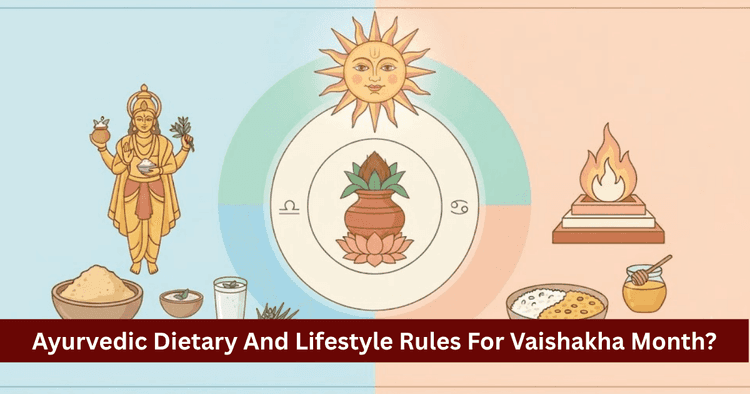
Table of Contents
Panchang Description And The Astrological Dimensions Of Summer Regimen (Ritucharya)
Within the classical taxonomy of the Vedic calendar and the foundational compendiums of Ayurveda-specifically the Charaka Samhita (Tasyashiteeya Adhyaya), the Sushruta Samhita and the Ashtanga Hridaya-the month of Vaishakha is recognized as the most critical stage of Adana Kala (The Solar Depletion Period). According to solar astronomy, as Lord Surya Deva transits into his sign of maximum exaltation in cardinal fiery Aries (Mesha), direct ultraviolet and thermodynamic radiation sweeps across the terrestrial plane, depleting atmospheric moisture and establishing dry environmental heat.
From a physiological perspective, this environmental heat accelerates the loss of biological stamina (Ojas), cutaneous moisture and essential hydration. The Sun and hot desert winds extract somatic vitality from living organisms. This seasonal shift triggers a humoral imbalance: the complete dissolution of residual Kapha, the rapid accumulation of Pitta (biological fire and bile) and the aggravation of Vata (dryness and mobility). To protect the physiological core from heat-related collapse, preserve the delicate digestive fire (Jatharagni) and prevent sunstroke, Ayurveda established the Greeshma Ritucharya (Summer Lifestyle Regimen).
| Astrological & Ayurvedic Factor | Classical Scriptural and Biological Detail |
|---|---|
| Calendrical Station | Vaishakha Month | Adana Kala (Northern Solar Course / Uttarayana) |
| Ambient Environmental Traits | Hot (Ushna), Sharp (Teekshna), Dry (Ruksha), Light (Laghu) |
| Internal Humoral Dynamics | Accumulation of Pitta (Bile/Heat), Elevation of Vata, Depleted Kapha |
| State of Digestive Fire | Hypo-functioning Digestive Fire (Mandagni / Agnisada) |
| Recommended Dietary Tastes | Sweet (Madhura), Bitter (Tikta), Astringent (Kashaya), Cooling (Sheeta) |
| Strictly Prohibited Tastes | Pungent (Katu), Sour (Amla), Salty (Lavana) and Excessively Hot Virya |
| Classical Nutritional Supports | Roasted Barley-Chickpea Sattu, Bael Nectar, Raw Mango Cooler buttermilk |
| Prescribed Daily Disciplines | Dawn cool baths, brief midday rest, loose white cotton attire, sandalwood paste |
| Bestowed Somatic Fruit | Prevention of dehydration, metabolic balance, Pitta pacification, infection defense |
To preserve constitutional immunity, support metabolic balance and guard against seasonal health issues during Vaishakha, an individual should observe structured morning habits:
- Awaken before sunrise during Brahma Muhurta, drinking two glasses of ambient water stored overnight in a clean terracotta pitcher (Ushapan).
- Rinse the eyes with cool spring water and drops of pure organic rose water to soothe ocular heat and strain.
- Substitute heavy, heating oil massages with a light application of cooling sandalwood, vetiver (khus) or herbal pastes before bathing in cool water.
- Wear loose, breathable, unbleached white or light-colored cotton attire, avoiding dark, synthetic garments that trap environmental heat.
- Avoid direct sun exposure during peak thermal radiation hours (from 11:00 AM to 04:00 PM); if travel is unavoidable, cover the head, ears and neck with a light cotton cloth.
- Consume fresh, hydrating, easily digestible meals, avoiding stale leftovers, deep-fried foods and heating spices like red chili, mustard seeds and garlic.
- Take a brief 20-to-30-minute rest on the left side (Vamakukshi) after the midday meal; Ayurveda permits this brief daytime rest exclusively during the summer season.
- Wash the face, hands and feet with cool water at dusk, taking a gentle 100-step walk in a cool, ventilated environment after an early, light dinner.
The Physiology Of Weakened Digestion: Why Metabolic Fire Declines In Summer
A common misconception assumes that high environmental temperatures increase internal metabolic fire (Jatharagni). Sage Charaka presented the physiological reality:
Greeshme vahni-bale heene rasadeenam vivardhanat...
The Internal Mechanism of Diminished Digestion (Mandagni)
- Peripheral Blood Vasodilation: To prevent core organs and the brain from overheating, the autonomic nervous system directs blood flow outward toward the skin's capillary network.
- Sweat Gland Activation: The body expels perspiration to regulate its core temperature at 37°C. As circulating blood and energy are diverted to cool the skin, blood flow to the digestive tract decreases.
- Dilution of Digestive Secretions: Gastric acid, bile and pancreatic digestive enzymes become diluted and sluggish.
- Physiological Consequence: Consuming heavy, oily or fried foods during summer overwhelms this delicate digestive state. Undigested food ferments in the gastrointestinal tract, creating metabolic toxins (Ama) that can lead to acute gastroenteritis, diarrhea, foodborne illness and seasonal fevers.
The Science Of Sattu: Ancient Nutritional Support For Summer
Both traditional literature and Ayurveda identify Sattu (Roasted Flour of Barley and Bengal Gram) as an ideal nutritional source for Vaishakha. Sattu serves as a balanced, cooling seasonal food:
1. The Synergy of Roasted Barley and Bengal Gram
- Qualities of Roasted Barley (Yava): Barley is naturally cooling, astringent-sweet, diuretic and pacifies both Pitta and Kapha. It cools the blood and soothes internal heat.
- Qualities of Roasted Bengal Gram (Chana): Roasted chickpea flour is light (laghu), easily absorbed and rich in plant-based protein. It provides sustained energy without straining the delicate summer digestion.
2. Classical Guidelines for Consuming Sattu
Ayurveda outlines specific guidelines to ensure Sattu is digested properly:
- Liquid Preparation: Sattu should be consumed mixed with cool water as a thin, drinkable porridge or beverage, rather than as a heavy, dense paste.
- Midday Consumption: Consume Sattu during daylight hours (ideally between 10:00 AM and 01:00 PM); consuming it late in the evening is avoided as it requires daytime digestive capacity.
- Preparation Styles:
- Savory Blend: Stirred with roasted cumin, pink rock salt, fresh mint juice and lemon juice-this version restores electrolytes, clears digestive gas and supports hydration.
- Sweet Blend: Mixed with raw cane sugar or crystalline rock sugar (mishri)-this preparation pacifies internal heat, cools systemic bile and eases thirst.
- Usage Cautions: Avoid consuming Sattu immediately following a heavy meal, limit intake to once per day and drink it mindfully rather than gulping it down.
| Ingredient | Nutritional & Therapeutic Action | Somatic Effect on Physiology |
|---|---|---|
| Roasted Barley (Yava) | Rich in beta-glucans, cooling, soluble fiber | Soothes gastrointestinal inflammation; cools the blood |
| Roasted Chickpea (Chana) | Plant protein, iron, low glycemic index | Provides sustained physical stamina without sluggishness |
| Roasted Cumin & Rock Salt | Carminative, digestive stimulant, electrolyte balancer | Stimulates gentle digestive secretions; prevents bloating |
| Fresh Mint & Lemon | Natural menthol, citric acid, flavonoids | Shields against sunstroke; supports liver clearance |
Five Cooling Botanical Tonics For Vaishakha
Ayurveda cautions against consuming artificially refrigerated, iced water, which shocks the digestive system. Instead, five traditional cooling beverages are recommended:
1. Bael Fruit Nectar (Aegle Marmelos)
Ripe bael fruit contains mucilage and tannins that soothe the gastrointestinal lining. Blended with ambient water, rock sugar and a pinch of roasted cumin, it calms irritable bowel conditions, heat-induced diarrhea and gastric acidity by forming a demulcent layer across the stomach wall.
2. Raw Mango Cooler (Aam Panna)
Boiled or slow-roasted green mango pulp blended with rock salt, fresh mint, roasted cumin and unrefined sugar restores sodium, potassium and chloride lost through profuse sweating, serving as a time-tested remedy against sunstroke.
3. Spiced Buttermilk (Takra)
Buttermilk churned with water and skimmed of heavy butter is praised in classical texts: Takram shakrasya durlabham (Even the gods value well-prepared buttermilk). Consumed after the midday meal with rock salt and roasted cumin, it provides natural probiotics and gently stimulates digestion without generating internal heat.
4. Vetiver and White Sandalwood Infusion (Khus-Chandana)
Cold infusions of fragrant vetiver roots (khus) and edible white sandalwood soothe the brain's thermoregulatory center. This infusion cools excess heat in the blood, reducing summer prickly heat, skin redness and urinary discomfort.
5. Fennel and Rock Sugar Water (Saunf-Mishri)
Soaking a tablespoon of fennel seeds and half a tablespoon of rock sugar in an earthen vessel overnight and straining it at dawn creates a gentle drink that soothes morning acidity, gastrointestinal burning and mouth ulcers.
Daily Ayurvedic Nutritional Guide For Vaishakha Month
| Time Horizon | Recommended Cooling Nutrition | Prohibited Foods & Substances |
|---|---|---|
| Early Morning (06:00 - 07:00 AM) | Water from a clay pot, soaked fennel or raisin infusion | Commercial black tea, strong coffee, heating spices |
| Breakfast (08:30 - 09:30 AM) | Fresh watermelon, muskmelon, cucumber, barley porridge | Deep-fried snacks, heavy pastries buttered bread |
| Mid-Morning (11:00 AM - 12:00 PM) | Roasted Sattu beverage (sweet or savory), Bael nectar | Commercial carbonated sodas, artificial energy drinks |
| Midday Lunch (01:00 - 02:00 PM) | Bottle gourd, ridge gourd, barley-wheat flatbreads buttermilk | Black lentils (urad), eggplant, heavy gravies, excess chili |
| Late Afternoon (04:30 - 05:30 PM) | Raw mango cooler (Aam Panna), tender coconut water | Deep-fried street foods, packaged savory chips |
| Dinner (07:30 - 08:30 PM) | Light split-moong khichdi, thin vegetable broth, leafy gourds | Red meat, kidney beans, heavy paneer, evening curd/yogurt |
| Bedtime (09:30 - 10:00 PM) | Earthen-pot cooled water, warm fennel-infused milk | Iced water from the refrigerator, sour citrus fruits |
Seven Daily Practices For Sunstroke Prevention
- Drinking Water from Terracotta Pitchers: Refrigerated water drops internal temperatures too rapidly, constricting stomach capillaries and slowing digestion. Porous terracotta pots cool water to a gentle 18°C-22°C through evaporation, naturally alkalizing the water to soothe gastric acidity.
- Covering the Head and Neck: The brain's thermoregulatory center is sensitive to direct solar radiation. Covering the head with a lightweight white cotton cloth shields cranial nerves from thermal stress.
- Using Raw Onions Mindfully: Including raw onions in midday meals or carrying a small onion while traveling is an old practical habit. Onions contain quercetin, a natural flavonoid that supports thermal regulation and capillary circulation.
- Observing Brief Midday Rest: Sage Charaka permits a 20-to-30-minute rest on the left side during summer afternoons to compensate for shorter nights and rising Vata, though resting immediately after eating is avoided.
- Caring for the Eyes: Cleanse the eyes with cooling Triphala water at dusk and wear tinted UV-protective sunglasses outdoors to guard against solar glare.
- Bathing After Thermal Regulation: Avoid stepping straight from hot outdoor weather into a cold shower. Allow the body to rest in the shade until perspiration dries and breathing normalizes before bathing.
- Pacing Physical Exercise: Avoid heavy weight training or exhausting workouts during the middle of the day. Emphasize early morning stretching, cooling breathwork (Sheetali and Sheetkari Pranayama) and walking.
Philosophical Essence: Caring For The Body As A Sacred Temple
These classical Ayurvedic guidelines are not merely dietary rules; they reflect an essential Vedic insight: Shareeram aadyam khalu dharma-sadhanam (The physical body is the primary instrument for fulfilling one's ethical, creative and spiritual duties).
When the body remains cool, balanced and nourished during the heat of Vaishakha, the mind settles into natural calm, allowing an individual to engage in service, learning and reflection with ease.
Ayurveda teaches us not to fight the natural seasons but to align our habits with their rhythm. By adopting the dietary wisdom of Vaishakha, hydrating with cooling tonics and listening to the needs of the physiology, we preserve vitality and move through the summer months with steady energy and peace.
FAQ
Why does digestion weaken during the heat of Vaishakha Month?
To regulate body temperature, circulation is redirected toward the skin to produce sweat, reducing blood flow to the digestive tract and diluting digestive enzymes.
What is the proper method for consuming Sattu during summer?
Sattu should be consumed during the day (between 10:00 AM and 01:00 PM) as a thin drink mixed with water, roasted cumin and rock salt or with unrefined sugar; it should be avoided late at night.
Why does Ayurveda advise against drinking refrigerated water in summer?
Iced water shocks the digestive tract, constricts blood vessels, slows peristalsis and aggravates respiratory congestion and digestive stagnation.
Which beverage is most effective for preventing sunstroke?
Fresh raw mango cooler (Aam Panna) seasoned with rock salt, roasted cumin and mint is considered the most effective tonic for replenishing electrolytes and cooling the body.
Which three dietary tastes (Rasas) should be prioritized during Vaishakha?
The diet should emphasize Sweet (Madhura), Bitter (Tikta) and Astringent (Kashaya) tastes, while minimizing excessively spicy, sour and salty foods.
Get your accurate Kundali
Generate KundaliDid you like it?
Author
Pt. Amitabh Sharma (56 Years)
Experience: 20
Consults About: Family Planning, Career
Clients In: Punjab, Haryana, Delhi
Share this article with friends and family
WELCOME TO
ZODIAQ
Right Decisions at the right time with ZODIAQ
