What Is The Merit Of Earthen Pot (Kumbha) Charity In Vaishakha Month?
By Pt. Sanjeev Sharma
Glory Of Kumbha Dana, Skanda Purana Lore, Five Elements Science, Pitri Peace And Bio-Physics
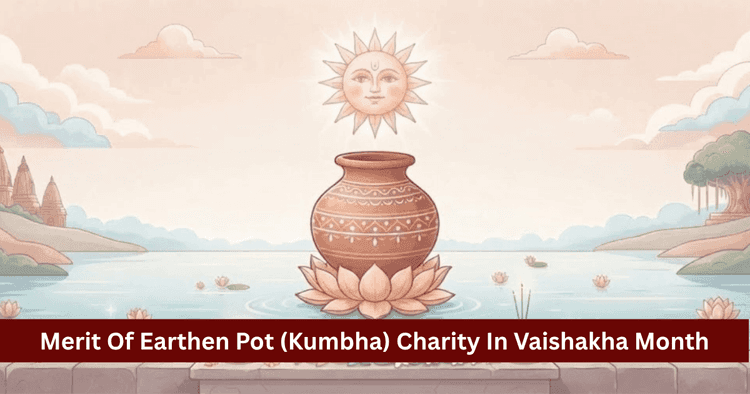
Table of Contents
Panchang Description And The Astrological Dimensions Of Water Pitcher Charity
Within classical predictive astrology, the Nirnayasindhu, the Danakhanda of Hemadri and the sacred Vaishakha Mahatmya of the Skanda Purana, the charitable gift of a water-filled earthen pitcher (Kumbha Dana) during the month of Vaishakha is celebrated as the most foundational and meritorious act of the entire year. Spanning mid-April to mid-May, Vaishakha occurs precisely when Lord Surya Deva transits into his sign of deep exaltation in cardinal fiery Aries (Mesha). This solar transit produces intense thermodynamic heat across the northern hemisphere, evaporating surface reservoirs and depleting natural moisture.
During this severe dry season, when wayfarers, laborers and domestic creatures face acute physical dehydration, a single palmful of cool water functions as life-saving nectar. Canonical Vedic treatises establish the timeless axiom: Sarva-daneshu jala-danam vishishyate (Among all forms of physical charity, the gift of water is sovereign). In Vaishakha, presenting a fresh, unglazed terracotta vessel filled with fragrant drinking water is far more than a social kindness; it harmonizes the five elemental building blocks of nature, pacifies severe ancestral afflictions (Pitri Dosha) and secures the lasting grace of Lord Sri Hari Vishnu.
| Astrological Factor | Scriptural, Astrological and Liturgical Detail |
|---|---|
| Sacred Liturgical Station | Vaishakha Month (Particularly Mesha Sankranti, Akshaya Tritiya, Ekadashi, Purnima) |
| Primary Sacramental Medium | Fresh unglazed terracotta pitcher (Kumbha), pure water, white/red cloth |
| Ancillary Offerings | Raw green mango, roasted grain flour (Sattu), jaggery, camphor, cardamom, coins |
| Presiding Sovereign Divinities | Lord Varuna (Regent of Waters), Lord Sri Hari Vishnu, Lineage Ancestors (Pitris) |
| Governing Planetary Alignments | The Moon (Water/Mind), Jupiter (Wisdom/Peace), Saturn (Karmic Labor) |
| Elemental Harmonization | Synthesis of Prithvi (Sacred Clay) and Apas (Cooling Water) |
| Bestowed Spiritual Fruit | Dissolution of ancestral debts, protection from untimely distress, Vaikuntha |
| Eligible Charitable Recipients | Virtuous preceptors, mendicants, parched wayfarers, manual laborers |
To assimilate the full spiritual and physiological benefits of Kumbha Dana and satisfy lineage ancestors, an aspirant should observe disciplined scriptural decorum:
- Awaken before sunrise during Brahma Muhurta, bathing in ambient cool water and donning clean cotton attire.
- Procure a fresh, unblemished terracotta pitcher crafted upon a traditional potter's wheel, purifying it with drops of consecrated Ganga water.
- Tie a sacred red cotton thread (Mauli) around the neck of the vessel, inscribing auspicious symbols-the Swastika and OM-upon its surface using sandalwood and vermilion.
- Fill the pitcher with clean, drinkable spring water, enriching it with fragrant vetiver root (khus), green cardamom, pure edible camphor and a touch of raw jaggery.
- Cover the mouth of the pitcher with a clean earthen lid, placing a bowl of roasted barley flour (sattu) and monetary dakshina atop it.
- Accompany the water vessel with seasonal summer fruits (such as a raw green mango or sweet melon) and a hand-woven palm-leaf fan.
- Take kusha grass, black sesame seeds and water in the right palm, facing east or south to recite the formal intention (Sankalpa).
- Present the consecrated water pitcher with reverence to a deserving scholar, a weary traveler or an impoverished laborer working in the heat.
Scriptural Authority: The Glories Of Kumbha Dana In The Skanda Purana
In the Skanda Purana, Sage Narada instructs King Ambarisha on the unique spiritual potency of water-pitcher philanthropy:
Na kumbhodaka-danena samam danam-ihochyate.
Sarva-dana-phalam prapya modate Vishnu-sadmani.
Vaishakhe jala-patram tu yo dadati dvijataye.
Sa papair-vipramukto-api yaati Vishnoh param padam.
Meaning: In all the three worlds, there is no charitable act equal to the gift of a pitcher filled with cool water. One who gifts a water vessel in Vaishakha attains the cumulative spiritual merit of all sacrifices, rejoicing eternally within the abode of Lord Vishnu. That individual is cleared of accumulated karmic blemishes and attains the supreme state.
The Five Elements Embodied Within the Earthen Vessel
Classical masters revered the clay pitcher not merely as pottery but as an emblem of the Cosmic Vessel (Brahmanda):
- The Earth Element (Prithvi): Pure, clean clay gathered from fertile riverbanks.
- The Water Element (Apas): The fresh water used to knead the clay, as well as the drinking water stored within.
- The Fire Element (Agni): The heat of the potter's kiln that hardens and cures the clay.
- The Air Element (Vayu): The internal cavity and porous microscopic channels that permit air circulation.
- The Space Element (Akasha): The internal chamber of the pot, open, receptive and all-accommodating.
Gifting an earthen vessel during Vaishakha honors these five foundational cosmic elements, helping harmonize the subtle physical sheaths (Koshas) of the human body.
| Sacramental Item | Classical Symbolism | Somatic and Spiritual Effect |
|---|---|---|
| Fresh Clay Pitcher | The five elements; the physical body | Dispels rigid pride; cultivates humility and coolness |
| Fragrant Cool Water | Living nectar; the presence of Narayana | Quenches internal thirst; purifies blood; brings peace |
| Camphor & Cardamom | Celestial aromatics; digestive herbs | Sweetens breath; reduces biological heat; cleanses water |
| Jaggery & Sattu | Sustenance and vitality | Provides plant protein; replenishes essential electrolytes |
| Raw Green Mango | Botanical shield against heatwaves | Protects against heatstroke; calms digestive bile |
Ancestral Relief: Dissolving Pitri Dosha Through Water Charity
Classical Vedic literature and the Garuda Purana note that disembodied souls navigating subtle realms experience thirst under the seasonal heat of Vaishakha:
1. The Burning Pathways and Ancestral Thirst
According to traditional lore, the transitional pathways navigated by departed souls are dry and hot. When a descendant on earth offers a pitcher of cool, fragrant water in charity, the merit of that act is believed to relieve the subtle heat of ancestral karmas, bringing comfort to the lineage.
2. Pacifying Lineage Afflictions (Pitri Dosha)
In predictive astrology, when the Sun, Moon or Jupiter are pressured by Rahu, Ketu or Saturn, a chart manifests Pitri Dosha-often visible as obstacles to family stability, recurrent health challenges and emotional restlessness.
- Traditional manuals prescribe gifting two distinct pitchers during Vaishakha: the Dharma-Ghata (consecrated to Lord Vishnu for personal purification) and the Pitri-Ghata (consecrated to lineage ancestors).
- Gifting the Pitri-Ghata satisfies family lineages, who in turn bestow protection and peace: Santushtah pitaro yasya tasya tushtah surasurah (When the ancestors are satisfied, the divine powers naturally smile upon that home).
The Canonical Sankalpa Mantra For Gifting The Water Pitcher
When offering the water pitcher, hold kusha grass, sesame seeds and water in the right palm, reciting the traditional formula:
Esha dharma-ghato datto Brahma-Vishnu-Shivatmakah.
Asya pradanaat-tripyantu pitaro-api pitamahah.
Gandhodaka-pushpadhyam sheetalam cha manoharam.
Vari-purnam ghatam dattam pitreenam tripti-hetave.
Meaning:
"This sacred Dharma-Ghata, embodying the combined energies of Brahma, Vishnu and Shiva, is offered in charity. Through this gift, may my departed parents, grandparents and ancestors be satisfied. This vessel, filled with cool, fragrant water and blossoms, is presented to bring peace and comfort to their memory."
The Biophysics Of Clay: Why Terracotta Water Cools Naturally
The classical prescription of drinking from and gifting terracotta vessels is grounded in practical biophysics:
1. Evaporative Cooling and Heat Dissipation
An unglazed clay pot possesses thousands of microscopic pores across its surface. Water seeps through these pores, evaporating upon contact with ambient air.
- The latent heat required for evaporation is drawn directly from the water inside, cooling the liquid to a comfortable 18°C-22°C.
- This temperature cools the body safely without shocking the throat or constricting delicate capillaries.
2. Natural Alkalinity (Neutralizing Gastric Acidity)
Terracotta is inherently alkaline. Summer heat elevates internal gastric acidity and bile (Pitta).
- When water rests inside clay, alkaline earth minerals dissolve into the liquid, raising its pH into a balanced range (7.5 to 8.5).
- Drinking naturally alkaline water neutralizes excess gastric acid, offering gentle relief from heartburn, indigestion and summer ulcers.
| Physical Quality | Terracotta Water Pitcher | Refrigerated Plastic Bottle |
|---|---|---|
| Cooling Method | Natural evaporation (gentle 18°C - 22°C) | Artificial refrigeration (harsh 4°C - 8°C) |
| Water pH | Gently alkaline (pH 7.5 - 8.5) | Tendency toward acidity (pH 6.0 - 6.8) |
| Mineral Integrity | Natural calcium, magnesium, iron | Risk of microplastics and chemical leaching |
| Effect on Digestion | Preserves digestive fire; soothes throat | Constricts capillaries; shocks delicate digestion |
Philosophical Essence: Becoming A Vessel Of Coolness
The gift of an earthen pitcher in Vaishakha offers an enduring spiritual reflection: The human body itself is an earthen vessel.
A clay pot holds value only as long as it remains sound, holding pure water to quench the thirst of others. Similarly, human life finds fulfillment when the heart holds compassion, humility and steady kindness. A mind consumed by arrogance or anger is like a cracked vessel-incapable of holding peace or offering comfort to those around it.
As Vaishakha unfolds, let us look beyond the external gift of clay and water. Let us empty our minds of self-importance, cultivating the quiet, refreshing presence of an earthen pitcher-providing shade, patience and comfort to every person we meet along the way.
FAQ
Which days in Vaishakha are optimal for performing Kumbha Dana?
Mesha Sankranti, Akshaya Tritiya, the Ekadashis (Varuthini and Mohini) and Vaishakha Purnima are considered the most auspicious days, though gifting water may be practiced daily throughout the month.
What essential items should accompany the earthen pitcher during charity?
The pitcher should be accompanied by pure water, a lid, raw jaggery, roasted grain flour (sattu), monetary dakshina and a seasonal summer fruit such as a green mango or melon.
Which planetary afflictions are pacified through the gift of an earthen pot?
Gifting an earthen pot calms afflictions related to the Moon (water and emotional peace), Jupiter (ethical duty), the Sun (vitality) and Saturn (service to the laboring community).
What is the difference between Dharma-Ghata and Pitri-Ghata?
The Dharma-Ghata is offered in devotion to Lord Vishnu for personal spiritual purification, while the Pitri-Ghata is offered to satisfy lineage ancestors and bring peace to the family line.
Can an existing, used terracotta pot be given in charity?
No. Classical guidelines require that the vessel be brand-new, unbroken and clean, as pre-used household items are not presented in formal charity.
Get your accurate Kundali
Generate KundaliDid you like it?
Author

Pt. Sanjeev Sharma (63)
Experience: 20
Consults About: Family Planning, Career
Clients In: Punjab, Haryana, Delhi
Share this article with friends and family
WELCOME TO
ZODIAQ
Right Decisions at the right time with ZODIAQ
