What Is The Legend Of King Janaka And Sage Shankha In The Skanda Purana?
By Pt. Narendra Sharma
The Dialogue Of King Janaka And Sage Shankha, Glory Of Water Charity And Madhava Worship
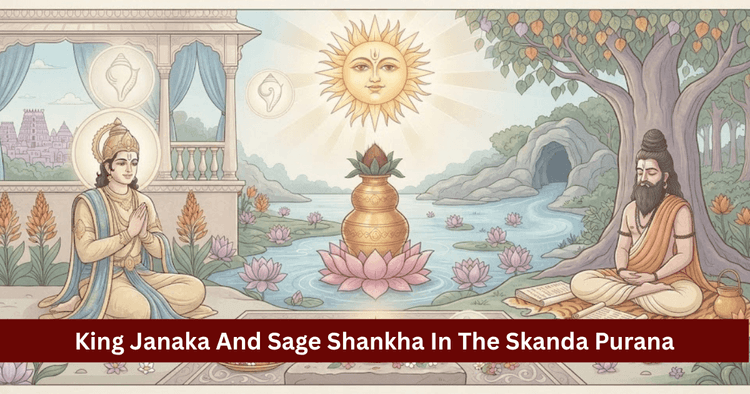
Table of Contents
Panchang Description And The Astrological Dimensions Of The Vaishakha Lore
Within classical Vedic literature, the eighteen Mahapuranas and traditional treatises on the calendar, the Vaishakha Mahatmya section of the Skanda Purana is revered as the definitive text on ascetic dedication, selfless charity and adoration of Lord Sri Hari Vishnu. Falling across the Gregorian window of mid-April to mid-May, Vaishakha occurs precisely when Lord Surya Deva transits into his sign of deep exaltation in cardinal fiery Aries (Mesha). During this time, nature tests the endurance of all living beings through intense summer heat. Propitiating Lord Vishnu in his benevolent aspect as Madhava and serving living beings struggling under the summer sun is held to yield spiritual merit that surpasses conventional pilgrimages and elaborate Vedic sacrifices.
In the Skanda Purana, Sage Narada instructs King Ambarisha on the sacred duties of Vaishakha by recounting the historic dialogue between King Janaka of Mithila (Videharaja) and the ascetic Sage Shankha. This narrative is far more than ancient lore; it articulates an essential Vedic truth: Providing cool water, shade and relief to a weary, parched soul embodies authentic worship of the Divine, surpassing external rituals and severe penances.
| Astrological & Puranic Factor | Classical Scriptural and Metaphysical Detail |
|---|---|
| Canonical Source Literature | Skanda Purana (Vaishakha Mahatmya) & Padma Purana (Patala Khanda) |
| Primary Dialogue Partners | Devarshi Narada to King Ambarisha | King Janaka to Sage Shankha |
| Seasonal Context of the Lore | Vaishakha Month (Sun exalted in Aries, intense dry summer) |
| Presiding Sovereign Divinity | Lord Sri Hari Vishnu (Manifested as Lord Madhava / Madhusudana) |
| Central Theological Themes | Merit of water philanthropy (Jaladana), fans, umbrellas, footwear and tulsi |
| Philosophical Core | Paropakaraya satam vibhootayah (Selfless service as supreme duty) |
| Bestowed Spiritual Fruit | Merit exceeding millions of Vajapeya sacrifices, ancestral liberation, Vaikuntha |
| Prohibited Conduct | Neglecting thirsty wayfarers, slander, daytime slumber, untruthfulness |
| Essential Sacramental Medium | Naturally cooled pure water, fresh terracotta pitcher, tulsi leaves, sandalwood, fans |
According to the instructions given by Sage Shankha in the Skanda Purana, an aspirant should integrate these daily disciplines during Vaishakha:
- Awaken before sunrise during Brahma Muhurta, bathing in a sacred river, lake or ambient water consecrated with Ganga drops while reciting Om Madhavaya Namah.
- Offer three continuous libations of cool water mixed with red vermilion and unbroken raw rice to the rising Sun from a pure copper vessel.
- Establish shaded public drinking water stations (Piyau) along thoroughfares or outside the domestic entrance for traveling laborers.
- Gift protective footwear (Paduka) and broad umbrellas (Chhatra) to impoverished individuals and pilgrims walking barefoot under the midday sun.
- Anoint the sacred icons of Lord Vishnu and the Shiva Lingam with cooling white sandalwood paste, offering fresh tulsi leaves.
- Fan the deity with woven palm-leaf or vetiver fans (Vyajana) and extend that same cooling comfort to an exhausted traveler.
- Recite or listen attentively to chapters from the Vaishakha Mahatmya daily.
- Cultivate genuine goodwill, setting aside interpersonal friction and treating all living beings with patience and empathy.
The Meeting Of King Janaka And Sage Shankha
According to the Skanda Purana, King Janaka of Videha-renowned for his philosophical insight and righteous governance-was walking through the royal gardens of Mithila on a sweltering summer afternoon in Vaishakha. The sun shone with intense heat, the ground felt like hot iron and dry desert winds swept across the roads.
As the king looked toward the royal highway, he saw an elderly, frail ascetic walking barefoot without an umbrella, struggling under the direct midday sun. The traveler's lips were parched, his feet were blistered from the burning dust and he stumbled from exhaustion, on the verge of collapsing. This was no ordinary wanderer; he was the venerable, austere ascetic Sage Shankha.
King Janaka's Service to the Exhausted Sage
Seeing the elder's distress, King Janaka stepped down from his royal chariot. He opened his own broad umbrella over the sage's head, brushed the burning dust from the ascetic's feet with his silk sash and guided him to the dense, cool shade of a nearby banyan tree.
- The king poured fragrant, naturally cooled water from his own vessel into the sage's mouth.
- He picked up a woven palm-leaf fan (Talavrintam), fanning the sage to bring cool air to his overheated body.
- He gently massaged the elder's blistered feet with rose water and cooling sandalwood paste.
As cool water, fresh air and sandalwood soothed Sage Shankha's senses, he opened his eyes and saw the monarch of Mithila standing before him with folded hands. Moved by this unexpected kindness, the sage blessed King Janaka warmly: "O noble King! By offering cool water, shade and comfort in this burning heat, you have done more than preserve my physical life; you have brought satisfaction to Lord Vaikunthanatha himself."
The Teachings Of Sage Shankha: The Merit Of Summer Service
Restored and comfortable, King Janaka bowed respectfully and asked:
"Revered Sage, you mentioned that my simple service brought satisfaction to Lord Vishnu. Please explain the spiritual science of Vaishakha Month. What practices are most meaningful during this season and how do they help free the soul from worldly bondage?"
Sage Shankha smiled and shared the philosophical foundation of Vaishakha with the king:
1. Water Philanthropy Surpasses Elaborate Sacrifices
Sage Shankha explained: "O King! Scriptures speak highly of grand ceremonies like the Ashvamedha, Vajapeya and Rajasuya sacrifices. Yet offering a single palmful of cool water to a parched person during the heat of Vaishakha yields spiritual merit that surpasses millions of Vajapeya sacrifices."
- Establishing a shaded water station (Piyau) along public roads satisfies celestials, sages and ancestral spirits alike.
- Gifting a clean, unglazed terracotta pitcher (Kumbha) filled with cool drinking water helps free lineage ancestors from the burdens of past karmas, guiding them toward peace.
2. The Spiritual Meaning of Waving a Hand Fan (Vyajana)
The sage continued: "O ruler of Videha! When a person waves a fan to cool someone exhausted and drenched in sweat, they do more than provide physical comfort. With every cooling breeze from that fan, accumulated negative karmas from past lifetimes are dispersed, just as autumn winds scatter dry leaves."
3. The Protection of Umbrellas and Footwear
- Gifting Umbrellas (Chhatra): Providing shade to someone walking in the blazing sun shields the giver with divine protection, preserving them from sudden calamities and untimely distress.
- Gifting Footwear (Paduka): Offering shoes or sandals to someone walking barefoot over burning ground helps free the soul from the metaphorical trials of the afterlife and brings comfort to life's difficult journeys.
| Act of Service | Classical Metaphor (Skanda Purana) | Practical and Spiritual Fruit |
|---|---|---|
| Cool Water Pitcher (Kumbha) | Essence of all sacred rivers combined | Lasting ancestral peace; alleviation of scarcity |
| Hand Fan (Vyajana) Service | Breeze that clears past karmas | Calms mental anxiety; cultivates deep inner poise |
| Umbrella (Chhatra) Gift | Shield of divine protection | Safety from sudden accidents and unexpected trials |
| Footwear (Paduka) Gift | Clearing difficult pathways | Freedom from deep-seated fear; ease through life's trials |
| Sandalwood & Tulsi Offering | Cooling the heat of worldly desires | Transmutes anger and craving into serene clarity |
Adoring Lord Madhava With Sandalwood And Fresh Tulsi
Sage Shankha explained the simple, direct worship of Lord Vishnu during Vaishakha:
Tulasi-dala-matrena jalasya chulukena cha.
Vikreeneete svam-atmanam bhaktebhyo bhakta-vatsalah.
Meaning: The Lord of compassion is so responsive to sincere devotion that, during the sacred month of Vaishakha, he offers himself fully to a devotee who presents even a single fresh tulsi leaf and a small palmful of cool water.
Protocol for Daily Contemplation
- Contemplating Madhava: Meditate upon the four-armed form of Lord Vishnu holding the conch, discus, mace and lotus, radiating gentle, protective light.
- Anointing with Sandalwood: Apply cooling white sandalwood paste to the icon of the deity or the sacred Shaligram stone to balance the heat of the season.
- The Drip-Vessel Rite (Galantika): Suspend an earthen pot with a tiny pinhole (Galantika) above the Shiva Lingam or Shaligram stone so cool water drips continuously over the sacred form, a practice said to soothe life's anxieties.
- Seasonal Fruit Offerings: Offer hydrating summer fruits-such as sweet melons, watermelons, cucumbers and ripe mangoes-sharing them afterward with the family and community.
Philosophical Essence: Compassion As Authentic Worship
The legend of King Janaka and Sage Shankha in the Skanda Purana conveys a foundational Vedic insight:
The Divine is not confined to stone temples; the Divine lives as conscious awareness within the heart of every breathing creature.
If a person recites sacred verses all day long yet turns away a parched traveler from their door or remains indifferent to an animal suffering in the heat, their rituals remain dry and empty. Conversely, whoever offers shade to an exhausted wayfarer, brings cool water to a thirsty throat and sets out bowls for wild birds during the heat of Vaishakha serves the living presence of Lord Madhava directly.
King Janaka bowed before Sage Shankha, making these teachings the guiding policy of Mithila. Shaded water sanctuaries were set up across public roads, trees were planted along pathways and Vaishakha became an annual celebration of active kindness and service throughout the kingdom.
FAQ
What is the central theme of Vaishakha Month according to the Skanda Purana?
The central theme is selfless service, water charity, offering shade and comfort to living beings and sincere devotion to Lord Madhava through simple offerings of water, sandalwood and tulsi.
In which scripture is the dialogue between King Janaka and Sage Shankha recorded?
It is preserved in the Vaishakha Mahatmya section of the Skanda Purana, as related by Sage Narada to King Ambarisha.
Why does the Skanda Purana rate water charity above elaborate Vedic sacrifices?
During peak summer heat, cool water preserves life itself; protecting and reviving life is regarded as far more valuable than formal ritual sacrifices.
What is the symbolic meaning of gifting shoes and umbrellas in Vaishakha?
Gifting footwear eases the painful paths of life and the afterlife, while providing an umbrella shields the giver with divine protection and safety.
What is the simplest way to honor Lord Vishnu during Vaishakha?
Offering a single unblemished tulsi leaf, cooling sandalwood paste and a clean cup of water with a sincere heart is considered sufficient to receive his grace.
Get your accurate Kundali
Generate KundaliDid you like it?
Author

Pt. Narendra Sharma (63)
Experience: 20
Consults About: Family Planning, Career
Clients In: Punjab, Haryana, Delhi
Share this article with friends and family
WELCOME TO
ZODIAQ
Right Decisions at the right time with ZODIAQ
