What Are The Prescribed Do's And Don'ts Of Vaishakha Month? A Classical Code Of Conduct
By Pt. Amitabh Sharma
Vaishakha Month Code of Conduct, 7 Golden Virtues, 7 Prohibited Habits, Scriptural Lore & Health
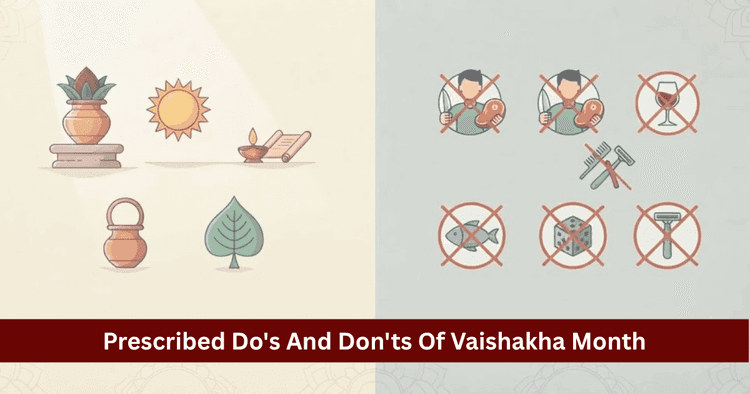
Table of Contents
Panchang Description And The Astrological Dimensions Of The Vaishakha Code Of Conduct
Within classical predictive astrology, the Vaishakha Mahatmya of the Padma Purana, the Skanda Purana, the Nirnayasindhu and foundational Ayurvedic compendiums like the Charaka Samhita, the sacred month of Vaishakha represents far more than an assembly of temple festivities. It serves as a rigorous, transformative window for lifestyle discipline and bio-energetic realignment. During Vaishakha, Lord Surya Deva transits through his sign of deep exaltation in cardinal fiery Aries (Mesha). Aries is an intense fire sign governed by the cosmic commander Mars (Mangala).
From an astronomical and metaphysical perspective, this seasonal shift triggers an intense expansion of the Fire Element (Tejas Tattva) across the terrestrial sphere, causing a sharp depletion of the Water Element (Apas Tattva). In human physiology, this sharp environmental heat aggravates bile (Pitta Dosha) and heats the blood (Rakta Dhatu), making the organism vulnerable to dehydration, cognitive irritability and metabolic strain. To counter these vulnerabilities, Sanatana traditions articulate a systematic Code of Conduct (Do's and Don'ts / Yama-Niyama Checklist). Individuals who align their daily habits with these classical guidelines not only shield their biology from seasonal ailments and planetary afflictions but also cultivate mental calm, longevity and spiritual merit.
| Astrological Factor | Scriptural, Astrological and Ayurvedic Detail |
|---|---|
| Prescribed Timeframe | Throughout Vaishakha (Pratipada to Purnima) | Peak summer heat |
| Solar Celestial Alignment | Sun exalted in Aries (Fiery cardinal transit generating extreme heat) |
| Presiding Sovereign Divinities | Lord Sri Hari Vishnu (Madhava Form), Lord Sadashiva and Pitris |
| Foundational Scriptural Authorities | Padma Purana, Skanda Purana, Charaka Samhita, Nirnayasindhu |
| Elemental Restitution | Restoring the Water Element (Apas) to soften excess Fire (Tejas) |
| Primary Prescribed Virtues | Pre-dawn ablutions, water charity, cooling sattu diet, shade gifting |
| Primary Prohibited Actions | Daytime sleep, eating from bronze, night yogurt, heavy spices, water waste |
| Pacified Astrological Doshas | Sun-Mars Angaraka Dosha, Rahu-Ketu volatility, Pitri Dosha |
| Bestowed Spiritual Fruit | Physical health, cognitive poise, sensory mastery, lineage protection |
To align one's daily life with these seasonal principles, an aspirant should observe disciplined daily habits from dawn:
- Awaken before sunrise during Brahma Muhurta, bathing in ambient cool water consecrated with sacred Ganga drops while the stars are still visible.
- Offer three continuous water libations mixed with red vermilion, unbroken raw rice and blossoms to Lord Surya Narayana from a copper vessel.
- Cleanse the domestic altar, offering fresh tulsi leaves and yellow sandalwood to Lord Vishnu and cool water with white sandalwood to the Shiva Lingam.
- Set aside time during the midday window to arrange drinking water, shade and seasonal melons for laborers, parched travelers and roaming animals.
- Base daytime nourishment upon slow-roasted barley-gram flour (sattu), cucumbers, sweet muskmelons, watermelons and clay-pot water.
- Maintain mindful self-restraint over speech throughout the day, refraining from reactive anger, gossip and contentious debates.
- Refrain entirely from sleeping during the day; conclude the evening with a light, satvic meal.
- Never mistreat voiceless creatures, avoid cutting living green tree branches and maintain conscious gratitude toward the living earth.
The Seven Golden Virtues Of Vaishakha (Do's Checklist)
The Padma Purana and the Skanda Purana highlight seven primary disciplines that confer lasting physical and spiritual benefits during Vaishakha:
1. Pre-Dawn Ablutions (Pratah Snana)
- Bathing before sunrise in a clean natural river, water body or at home with water infused with Ganga drops is considered a cornerstone practice.
- Scriptural texts observe that bathing before the sun rises during Vaishakha cools the cranial nervous system and clears deep-seated karmic fatigue.
2. Gifting Water Pitchers (Udakumbha Dana)
- Presenting a fresh, unglazed terracotta water pot filled with cool drinking water, capped with a sweet melon or mango, to an ascetic or laborer is praised as a supreme charitable act.
- This simple gift quenches summer thirst, balancing ancestral debts and bringing relief from seasonal stress.
3. Partaking of Roasted Flour (Sattu) and Seasonal Fruits
- Presenting roasted barley and chickpea flour (sattu) upon the domestic altar before eating it and sharing it with others regulates stomach acid.
- Melons, cucumbers and Bael nectar replenish essential cellular fluids, shielding the body from heat exhaustion.
4. Gifting Shade and Ventilation (Vyajana & Chhatra Dana)
- Presenting hand fans woven from bamboo or palm leaves, sturdy umbrellas and footwear to those who walk sun-baked roads brings relief to departed ancestors.
5. Water Service for Voiceless Animals and Birds
- Suspending unglazed clay saucers (Parindas) on rooftops and balconies for wild birds and maintaining drinking troughs for roaming cattle, honors universal life.
6. Installing Cooling Pitchers (Galantika) Over the Shiva Lingam
- Suspending a perforated clay pot above the Shiva Lingam and the Tulsi plant to allow cool water to drip drop by drop calms seasonal heat, supporting domestic peace.
7. Daily Recitation of Sacred Hymns
- Chanting the eight holy names of the Tulsi Namashtaka at dawn and reciting the Vishnu Sahasranama fills the domestic environment with quiet focus.
| Prescribed Virtue (Do's) | Canonical Authority | Somatic & Spiritual Benefit |
|---|---|---|
| Pre-Dawn Bathing | Padma Purana | Dissolves lethargy; stimulates cellular vitality |
| Gifting Water Pitchers | Skanda Purana | Calms ancestral distress; dissolves ethical missteps |
| Consuming Sattu & Fruit | Charaka Samhita | Pacifies Pitta; shields against heatstroke; aids digestion |
| Gifting Fans & Umbrellas | Hemadri (Danakhanda) | Calms solar afflictions; provides subtle comfort to ancestors |
| Hanging Bird Saucers | Mahabharata | Pacifies Rahu-Ketu; resolves nodal friction |
| Shiva Galantika Rite | Shiva Purana | Calms inner thermal strain; aids nervous poise |
| Chanting Thousand Names | Mahabharata | Anchors cognitive focus; fosters lasting domestic peace |
The Seven Prohibited Actions In Vaishakha (Don'ts Checklist)
Classical texts specify seven actions that aggravate bodily bile and dissipate mental focus, advising practitioners to avoid them carefully:
1. Sleeping During Daylight Hours (Divasvapna)
- Classical manuals explicitly state: "Vaishākhe na divā svapet."
- Sleeping during the day is strictly discouraged in Vaishakha. Daytime sleep disrupts digestive metabolism, increases mucus and bile imbalances and induces heavy mental lethargy.
2. Eating from Bronze Vessels (Kamsya Patre Bhojanam)
- Consuming food from bell-metal or bronze (Kamsya) plates is traditionally avoided during this month.
- In high summer temperatures, acidic or spiced foods react chemically with copper-tin alloys, which can irritate the digestive tract. Earthenware, leaf platters or clean stainless steel/silver are preferred.
3. Consuming Yogurt at Night (Ratrau Dadhi Bhakshanam)
- Eating yogurt after sunset is contraindicated in Ayurveda, especially during Vaishakha.
- Nighttime yogurt obstructs subtle micro-circulatory channels (Srotas), triggering respiratory congestion, inflammatory skin reactions and sluggish digestion.
4. Heavy Daily Oil Massages (Taila Mardana)
- Vigorously massaging dense, warming oils over the entire body is traditionally avoided in peak summer, as it clogs sweat pores and traps internal heat. Cool water rinses are far more beneficial.
5. Hot, Stale and Pungent Foods
- Excessively spicy dishes, deep-fried snacks, stale leftovers, alcohol and heavy meats aggravate internal bile, clouding mental clarity and triggering reactive anger.
6. Wasting Water and Polluting Water Sources
- Clean water is precious during summer. Leaving taps running unnecessarily or throwing refuse into rivers, stepwells or lakes is considered a grave ethical transgression.
7. Turning Away Thirsty Travelers
- Dismissing a parched laborer, ascetic or wandering animal from one's doorstep without offering cool water and shade quickly erodes personal goodwill and inner peace.
| Prohibited Action (Don'ts) | Authoritative Basis | Physiological & Subtle Consequence |
|---|---|---|
| Daytime Sleeping | Ashtanga Hridaya & Nirnayasindhu | Stifles digestive fire; causes metabolic sluggishness |
| Eating from Bronze | Padma Purana | Aggravates blood heat; leads to gastric irritation |
| Eating Yogurt at Night | Charaka Samhita | Blocks circulatory channels; provokes mucus and fever |
| Heavy Oil Massages | Dharmasindhu | Traps core body heat; triggers skin eruptions |
| Excessive Hot Spices | Bhagavad Gita | Escalates hypertension, acidity and emotional volatility |
| Wasting Water | Skanda Purana | Depletes lunar vital energy; creates scarcity |
| Disrespecting Seekers | Mahabharata | Dissolves accumulated goodwill; breeds domestic friction |
Astrological And Ayurvedic Synthesis: Balancing Doshas And Planets
This traditional code of conduct directly harmonizes the three biological humors (Vata, Pitta, Kapha) and primary planetary transits:
- The Sun and Mars (Fire Element): Consuming roasted grain flour (sattu), sweet melons and sandalwood calms excessive solar-Martian heat, converting aggressive impulses into disciplined strength.
- The Moon and Varuna (Water Element): Maintaining drinking water stations, pre-dawn bathing and gifting earthenware pots strengthen the Moon, easing emotional anxiety and mental fatigue.
- Saturn, Rahu and Ketu: Planting shade trees, gifting umbrellas and footwear and keeping water bowls for wild birds soften difficult nodal transits, dissolving unforeseen delays.
Philosophical Essence: Self-Restraint As The Heart Of Sacred Living
The traditional code of conduct for Vaishakha imparts an enduring spiritual truth:
"Genuine spiritual practice is not an occasional ritual; it is the conscious discipline of living in harmony with nature, governing one's impulses and easing the burdens of others."
Without personal self-restraint, spiritual efforts remain fragile. Just as water leaks quickly through a cracked vessel, a person who ignores ethical balance sees their daily peace dissipate.
The hot weeks of Vaishakha remind us that even amidst external demands and summer heat, the human heart can remain cool, patient and grounded through simple discipline and sincere kindness.
During this sacred month, let us adopt these golden virtues in our daily lives, step away from unwholesome habits, live with care for the natural world and allow our days to be guided by clarity, health and quiet peace.
FAQ
Why is sleeping during the day strictly discouraged in Vaishakha?
Because daytime sleep disrupts digestive metabolism, increases internal bile and mucus and induces heavy lethargy, which traditional manuals note weakens vitality during peak summer.
Which dining vessels are traditionally avoided during Vaishakha?
Eating from bronze (bell-metal) vessels is traditionally avoided because warm summer foods can react with the alloy, irritating the digestive tract; earthenware, leaf plates or stainless steel are preferred.
What are the three most essential daily virtues to observe during this month?
The three foundational practices are pre-dawn bathing, gifting cool water pots (Udakumbha) to parched travelers and offering cooling sattu and water upon the domestic altar.
Why should yogurt never be consumed at night during Vaishakha?
Ayurvedic treatises observe that eating yogurt after sunset clogs micro-circulatory channels, aggravating respiratory congestion, inflammatory skin issues and sluggish digestion.
Which planetary energies are balanced by observing this code of conduct?
It tempers the fiery intensity of the Sun and Mars, strengthens the Moon and Jupiter and pacifies difficult transits of Saturn, Rahu and Ketu.
Get your accurate Kundali
Generate KundaliDid you like it?
Author
Pt. Amitabh Sharma (56 Years)
Experience: 20
Consults About: Family Planning, Career
Clients In: Punjab, Haryana, Delhi
Share this article with friends and family
WELCOME TO
ZODIAQ
Right Decisions at the right time with ZODIAQ
