What Is The Spiritual Essence Of Vaishakha Purnima: Buddha Purnima And Peepal Purnima?
By Pt. Narendra Sharma
Vaishakha Purnima, Thrice-Blessed Day, Four Noble Truths, Eightfold Path & Ashvattha Lore
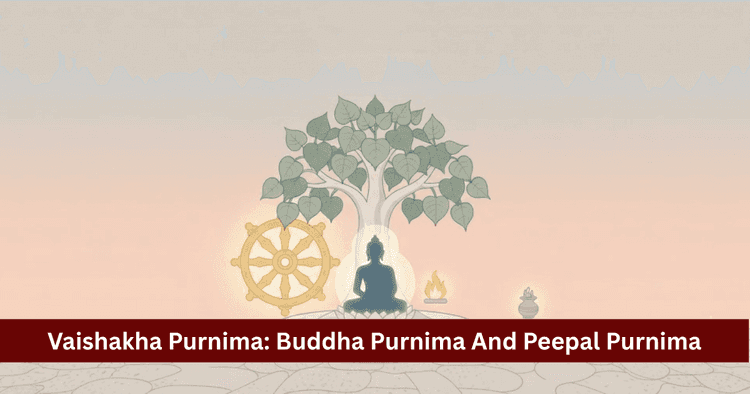
Table of Contents
Panchang Description And The Astrological Dimensions Of Vaishakha Purnima
Within classical predictive astrology, the Buddhist canon, the Nirnayasindhu and the Vaishakha Mahatmya of the Skanda Purana, the full moon day of the month of Vaishakha-Vaishakha Purnima-is revered as one of the most luminous and spiritually potent full moon alignments of the annual cycle. In the Sanatana liturgical calendar, it is traditionally honored as Peepal Purnima, while throughout global Buddhist traditions it is celebrated as Buddha Purnima (Vesak).
From an astronomical perspective, Vaishakha Purnima occurs when Lord Surya Deva occupies the final degrees of his deep exaltation in cardinal fiery Aries (Mesha), casting direct solar light upon Chandra Deva, who attains complete sixteen-digit fullness across the threshold of Visakha Nakshatra. Presided over by Brihaspati (Jupiter) and the dual deities Indragni, Visakha Nakshatra balances deep intellectual discernment with dynamic aspiration. The union of peak solar radiance and unblemished lunar light infuses the earth with cooling, restorative prana.
Historically and spiritually, the three pivotal milestones in the life of Gautama Buddha-his nativity in Lumbini, his supreme awakening (Bodhi) in Bodh Gaya and his final passing (Mahaparinirvana) in Kushinagar-occurred under the light of this exact lunar phase, earning this date the title of the Thrice-Blessed Day. Concurrently, Sanatana lore commemorates the appearance of Lord Vishnu's second incarnation, the Kurma Avatar, alongside sacred veneration of the sacred Ashvattha (Peepal) tree.
| Astrological Factor | Scriptural, Astrological and Historical Detail |
|---|---|
| Sacred Liturgical Station | Vaishakha Month | Shukla Paksha Purnima (15th Lunar Day / Full Moon) |
| Dominant Asterism | Visakha Nakshatra (Also transitioning into Anuradha) |
| Astronomical Alignment | Exalted Sun in Aries directly opposing the Full Moon in Visakha |
| Sanatana Avataric Inception | Advent of Lord Vishnu's second incarnation: The Kurma (Tortoise) Avatar |
| Buddhist Historical Alignment | The Thrice-Blessed Day (Birth, Enlightenment and Mahaparinirvana of Buddha) |
| Sacred Arboreal Medium | The Ashvattha Tree (Peepal / Ficus religiosa) | The Bodhi Tree |
| Primary Sacramental Rites | Sacred river immersion, Satyanarayana Katha, lamp offerings, water charity |
| Consecrated Food Offerings | Traditional sweet rice pudding (Kheer/Payasam), sattu, rock sugar, melons |
| Bestowed Spiritual Fruit | Freedom from ignorance (Avidya), cessation of craving, ancestral peace |
To connect with the clarity and peace of Vaishakha Purnima, an aspirant should observe disciplined daily habits from dawn:
- Awaken before sunrise during Brahma Muhurta, bathing in a sacred river or ambient domestic water consecrated with Ganga drops while meditating upon the inner light.
- Dress in clean white cotton garments, offering three continuous water libations mixed with red vermilion, unbroken raw rice and blossoms to Lord Surya Narayana.
- Approach a sacred Peepal tree in the morning, offering raw milk, fresh water, black sesame seeds and rock sugar at its base, followed by 7 or 108 mindful circumambulations.
- Install an icon of Lord Satyanarayana or Lord Buddha at the domestic altar, offering white sandalwood paste, fragrant lotus blossoms and fresh water.
- Conclude the charitable disciplines of Vaishakha by gifting an unglazed terracotta water pitcher, hand fan, umbrella, roasted grain flour (sattu) and summer fruits to someone in need.
- Prepare a traditional offering of sweet rice pudding (Kheer) using cow's milk, rice and rock sugar, recalling both the lunar nectar and the offering of Sujata.
- Kindle lamps at dusk along a quiet riverbank, beneath a Peepal tree or at the domestic altar, reflecting upon the dispelling of inner confusion.
- Dedicate the day to ethical speech, mindfulness and harmlessness (Ahimsa), refraining from harsh words, conflict or injury to any living creature.
The Thrice-Blessed Day: Birth, Awakening and Parinirvana Of The Buddha
In spiritual history, Gautama Buddha is singular in having the three supreme moments of his earthly existence align with the same full moon date:
1. The Nativity in Lumbini (563 BCE)
Queen Mayadevi of Kapilavastu was traveling to her maternal home when, beneath the blooming sal trees of the Lumbini Grove (in modern Nepal), infant Siddhartha was born on Vaishakha Purnima. Classical records describe the child taking seven conscious steps, pointing to his destiny as a teacher of ethical liberation.
2. The Supreme Awakening in Bodh Gaya (528 BCE)
After renouncing royal luxury at age twenty-nine and exploring austere ascetism for six years, Siddhartha realized the wisdom of the Middle Way. Accepting a bowl of milk rice from the maiden Sujata, he sat beneath the sacred Peepal tree along the banks of the Niranjana River in Bodh Gaya. On the full moon night of Vaishakha, his consciousness dissolved the roots of craving and delusion, awakening into the unconditioned peace of Nirvana. The tree became known as the Bodhi Tree.
3. The Mahaparinirvana in Kushinagar (483 BCE)
Having shared the teachings of the Dharma across forty-five years, the Buddha reached his eightieth year. Reclining between twin sal trees in the quiet grove of Kushinagar, he encouraged his followers to rely on personal mindfulness and ethical integrity, passing peacefully into Mahaparinirvana on the full moon of Vaishakha.
| Life Event | Historic Sanctuary | Natural Setting | Spiritual Significance |
|---|---|---|---|
| Birth (Jati) | Lumbini Grove (Nepal) | Blooming Sal Trees | Advent of a compassionate guide |
| Awakening (Bodhi) | Bodh Gaya (Bihar) | The Sacred Peepal / Bodhi Tree | Realization of the Four Noble Truths |
| Passing (Parinirvana) | Kushinagar (Uttar Pradesh) | Twin Sal Trees | Final transcendence of the cycle of suffering |
The Core Teaching: The Four Noble Truths And The Noble Eightfold Path
The realization achieved under the Bodhi tree on Vaishakha Purnima forms the foundation of Buddhist thought:
The Four Noble Truths (Chatvari Arya Satyani)
- Dukkha (The Truth of Suffering): Life contains inevitable friction, impermanence and dissatisfaction (illness, aging, separation from the beloved and unfulfilled desires).
- Samudaya (The Origin of Suffering): The root cause of suffering is Tanha (craving, grasping attachment and the demand that changing things remain permanent).
- Nirodha (The Cessation of Suffering): Suffering can end; the complete calming and relinquishment of craving leads to peace (Nirvana).
- Magga (The Path to Cessation): There is a clear, practical discipline leading to the end of suffering: the Noble Eightfold Path.
The Noble Eightfold Path (The Middle Way)
Rejecting both extreme self-indulgence and extreme physical mortification, the Buddha taught a balanced lifestyle:
- Right View (Samyak Drishti): Seeing life and causality with clarity.
- Right Intention (Samyak Sankalpa): Cultivating goodwill, harmlessness and generosity.
- Right Speech (Samyak Vak): Speaking truth with kindness and purpose.
- Right Action (Samyak Karmanta): Acting ethically without harming life, taking what is not given or exploiting others.
- Right Livelihood (Samyak Ajiva): Earning one's living through honest, non-destructive means.
- Right Effort (Samyak Vyayama): Directing energy to cultivate wholesome states of mind.
- Right Mindfulness (Samyak Smriti): Maintaining grounded, open awareness of the present moment.
- Right Concentration (Samyak Samadhi): Cultivating quiet, unified stillness of heart and mind.
Sanatana Tradition: The Veneration Of The Sacred Peepal Tree
In Vedic thought, Vaishakha Purnima is celebrated as Peepal Purnima. The Padma Purana notes that the Ashvattha tree embodies the living presence of the cosmos:
Ashvatthaya varenyaya sarva-papa-pranashine.
Trideva-roopine tubhyam namo vrikshaya pavanaya.
Guidelines for Ashvattha Worship
- On Peepal Purnima, water mixed with raw milk, black sesame seeds and rock sugar is offered at the roots of the tree.
- Circumambulating the tree 7 or 108 times calms personal restlessness and honors the natural world.
- This ceremony concludes the month-long water-giving practices of Vaishakha, offering cooling comfort to lineage memories and calming difficult planetary influences.
The Satyanarayana Observance And The Consecrated Milk Rice (Kheer)
Throughout northern and central India, families gather on Vaishakha Purnima to hear the Sri Satyanarayana Vrata Katha:
- Truth as the Supreme Ideal: The narrative emphasizes that living with honesty (Satya) and fulfilling one's ethical responsibilities anchors personal peace.
- The Offering of Kheer (Payasam):
- Beneath the full moon, pure cow's milk simmered with rice and unrefined sugar is offered at the altar.
- This cooling preparation balances biological heat (Pitta), soothing the digestive tract and honoring both the fullness of the moon and Sujata's historic offering.
Philosophical Essence: 'Be A Light Unto Yourself'
Vaishakha Purnima imparts an enduring insight across both traditions: Appo Deepo Bhava-Be a light unto yourself.
External rituals hold value when they inspire genuine transformation but true peace requires personal responsibility. The darkness of human confusion cannot be resolved through external means alone; it requires cultivating inner discernment, ethical conduct and compassionate action.
The peaceful example of the Buddha and the quiet dignity of the sacred Peepal tree remind us that quiet awareness, kindness toward all living beings and freedom from excessive grasping are the true marks of spiritual maturity.
On this sacred full moon of Vaishakha, let us quiet restless ambitions, speak with gentleness and walk with patience, illuminating our path with understanding and goodwill.
FAQ
Why is Vaishakha Purnima celebrated as Buddha Purnima?
Because the three foundational milestones of Gautama Buddha's life-his birth in Lumbini, enlightenment in Bodh Gaya and passing in Kushinagar-occurred on this exact full moon date.
Why is this day called 'Peepal Purnima' in Sanatana tradition?
Because traditional texts prescribe special veneration, watering and circumambulation of the sacred Peepal (Ashvattha) tree on this day to conclude the cooling disciplines of Vaishakha.
What are the Four Noble Truths taught by the Buddha?
They are: the reality of suffering (Dukkha), the origin of suffering in craving (Samudaya), the possibility of suffering's cessation (Nirodha) and the Eightfold Path leading to that cessation (Magga).
What special consecrated food is prepared on Vaishakha Purnima?
A sweet preparation of cow milk rice pudding (Kheer/Payasam) is traditionally offered, symbolizing cooling lunar energy and recalling Sujata's nourishment of the Buddha prior to his awakening.
What is the spiritual significance of offering lamps at dusk on Purnima?
Kindling lamps near water bodies, beneath sacred trees or at home altars symbolizes the dispelling of inner confusion and the awakening of mindful awareness.
Get your accurate Kundali
Generate KundaliDid you like it?
Author

Pt. Narendra Sharma (63)
Experience: 20
Consults About: Family Planning, Career
Clients In: Punjab, Haryana, Delhi
Share this article with friends and family
WELCOME TO
ZODIAQ
Right Decisions at the right time with ZODIAQ
