What Is The Science Of Summer In Vaishakha Month: Heat, Biology and Water?
By Pt. Abhishek Sharma
Exalted Sun In Aries, Meteorology, Somatic Bio-Rhythms, Heatstroke Defense And Water Science
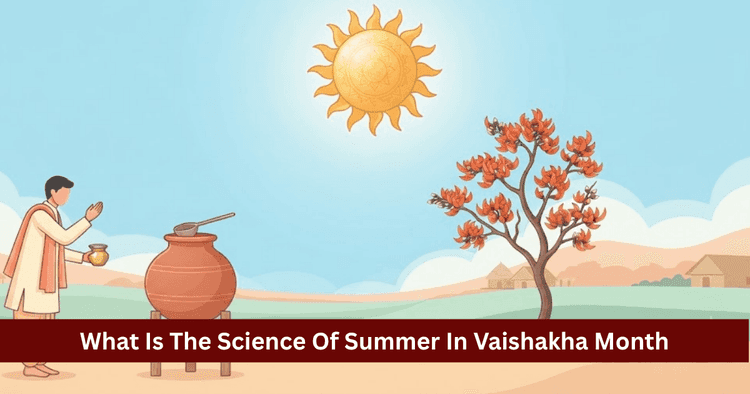
Table of Contents
Panchang Description And The Astrological Dimensions Of Summer Inception
Within classical Vedic cosmology, the Surya Siddhanta, Varahamihira's Brihat Samhita and foundational Ayurvedic literature, the month of Vaishakha is recognized as the critical astronomical threshold marking the departure of spring and the arrival of peak summer. While the preceding month of Chaitra witnesses the gentle fading of vernal breezes, Vaishakha brings direct, near-perpendicular solar radiation across the northern hemisphere.
From an astronomical perspective, this seasonal acceleration occurs because Lord Surya Deva transits the cardinal fiery sign of Aries (Mesha), achieving his point of deep exaltation (Paramochha) at precisely 10°. This concentrated influx of thermodynamic solar radiation lowers atmospheric pressure across the subcontinent, pushing ambient temperatures past 40°C to 45°C. Hot, desert winds-known regionally as the Loo-sweep across the plains, causing rapid evaporation of surface water tables, stepwells, ponds and forest streams. To balance this environmental thermal stress, Sanatana Dharma instituted a comprehensive spiritual ethic: elevating hydration, water charity (Jaladana) and shaded sanctuaries as fundamental duties of human life.
| Astrological Factor | Scriptural, Astrological and Meteorological Detail |
|---|---|
| Seasonal Ingress | Conclusion of Spring (Vasanta) and Ingress of Peak Summer (Grishma) |
| Solar Celestial Coordinate | Sun Exalted in Aries (Transiting through Ashwini, Bharani, Krittika) |
| Atmospheric Metrics | Sharp decline in relative humidity (15%-30%), intense UV index (10-12), heatwaves |
| Core Elemental Influx | Surge in Fire (Tejas), depletion of Environmental Water (Apas) |
| Biological Humoral Shift | Complete liquefaction of Kapha, accumulation of Pitta, aggravation of Vata |
| Somatic Zones at Risk | Central Nervous System, Digestive Fire (Jatharagni), Renal Function |
| Essential Protective Rites | Water stations (Piyau), terracotta pots, sattu, raw mango coolers, bird feeders |
| Presiding Transcendental Deities | Lord Varuna (Regent of Waters), Lord Surya Narayana, Lord Sri Hari Vishnu |
| Bestowed Spiritual Fruit | Pacification of bodily heat, protection from untimely fatigue, charity merit |
To maintain physiological equilibrium, protect bodily bio-rhythms and cultivate conscious water stewardship during this severe seasonal transition, an individual should observe disciplined habits from early dawn:
- Awaken before sunrise during Brahma Muhurta, bathing in ambient cool water under the dawn stars to ground bodily core temperatures before the sun ascends.
- Offer three continuous water libations to the rising Sun from a pure copper vessel enriched with red sandalwood powder and unbroken raw rice.
- Avoid unnecessary exposure to direct solar rays during peak radiation hours (from 11:00 AM to 04:00 PM).
- Cover the head, neck and cranial pathways with lightweight, breathable white cotton fabric when stepping outdoors to shield against sunstroke.
- Consume ample amounts of water naturally cooled in porous earthen urns, strictly avoiding artificially refrigerated or iced drinks that shock digestion.
- Establish shaded public drinking water stations (Piyau) along local pathways, providing clean water to manual laborers and wayfarers.
- Hang shallow terracotta bowls (Parinde) filled with clean water from tree branches and domestic terraces for wild birds.
- Shift the daily diet away from heavy, oily and pungent preparations toward light, hydrating and easily digestible foods like roasted barley sattu buttermilk and wood apple juice.
The Meteorology Of Peak Summer: Solar Radiation And Atmospheric Shifts
In meteorological terms, the Vedic month of Vaishakha spans mid-April to mid-May. Understanding the physical dynamics of this seasonal window explains its profound biological effects:
1. Near-Vertical Solar Angles and UV Penetration
As the Sun's declination advances northward toward the Tropic of Cancer, its rays strike the earth at direct, near-perpendicular angles.
- Ultraviolet Index: The UV index frequently climbs into the extreme range (10 to 12), placing high demands on human skin, eyes and the cellular hydration of botanical life.
- Thermal Emission from the Earth: Terrestrial soil absorbs significant thermal energy during the day, emitting infrared radiation long into the night, keeping nocturnal ambient temperatures elevated.
2. Low Humidity and Desert Heatwaves (The Loo)
Dry winds blowing from arid desert zones lower atmospheric relative humidity to between 15% and 25%. This dry air accelerates the evaporation of perspiration from the skin, often masking rapid dehydration until systemic fatigue or heat exhaustion sets in.
| Environmental Metric | Typical Vaishakha Pattern | Biological and Terrestrial Impact |
|---|---|---|
| Ambient Temperature | 38°C to 45°C (Extreme Heat) | Dehydration, loss of electrolytes, physical fatigue |
| Relative Humidity | 15% to 30% (Extremely Dry) | Cutaneous dryness, cracked lips, respiratory dryness |
| Solar Radiation Angle | 85° to 90° (Near-Vertical) | Sunstroke risk, ocular strain, cranial pressure |
| Groundwater Reserves | Declines 15% to 25% | Drying of community reservoirs; stress on wildlife |
Somatic Chronobiology: Ayurvedic Perspectives On Digestion And Humors
In classical Ayurvedic literature-specifically the Charaka Samhita and the Ashtanga Hridaya-Vaishakha represents the peak of Adana Kala (the solar depleting period). During this phase, the Sun and dry winds extract moisture, unctuousness and physical stamina from the living world.
1. The Dynamic of the Three Doshas
- Dissolution of Kapha: The residual Kapha that liquefied during spring dries out completely under the heat of Vaishakha.
- Accumulation of Pitta (Pitta Sanchaya): Intense solar heat causes biological fire (Pitta) to accumulate within liver and blood tissues. If unmanaged through diet, this excess heat manifests as acid reflux, skin irritations and inflammatory conditions.
- Aggravation of Vata (Vata Prakopa): The depletion of bodily fluids introduces dryness into the physiology, causing muscular stiffness, joint crepitation and sluggish elimination.
2. The Paradox of Weakened Digestive Fire (Mandagni)
While common intuition assumes that external heat would increase digestive heat, Ayurveda teaches the exact opposite:
Greeshme vahni-bale heene rasadeenam vivardhanat...
During peak summer, the body redirects its internal circulation outward toward skin capillaries to cool the physiology through perspiration. Consequently, the internal metabolic fire (Jatharagni) within the digestive tract becomes gentle and slow. Consuming heavy, oily or fried foods during Vaishakha overwhelms this weakened digestive capacity, leading to digestive stagnation.
The Metaphysics And Biology Of The Water Element (Apas)
In Vedic philosophy, water is revered not merely as a molecular substance but as the primordial manifestation of life: Apo vaa idam sarvam (Water, indeed, is the foundation of all this).
When elemental fire intensifies during Vaishakha, the water element serves as the essential balancing force that preserves life:
1. Physiological Significance of Hydration
The human body is composed of approximately 65% to 70% water-the brain consists of 75%, blood 83% and muscles 75%:
- Thermoregulation: Water maintains the core body temperature at 37°C. In 45°C weather, the evaporation of sweat protects delicate neural tissues from overheating.
- Electrolyte Balance: Water sustains balanced cellular concentrations of sodium, potassium and chloride, which are essential for cardiac rhythm and nervous transmission.
2. Karmic Dimensions of Water Philanthropy
Providing water to the thirsty during Vaishakha is considered among the highest expressions of spiritual duty:
- Relief for Lineage Ancestors: According to classical lore, offering clean, cool water to living beings relieves the subtle heat of ancestral karmas, bringing peace to family lineages.
- Harmonizing Varuna and the Planetary Spheres: Honoring water and preventing its waste calms afflictions associated with the Moon and Venus, cultivating emotional peace.
| Hydration Modality | Practical Application | Somatic and Spiritual Benefit |
|---|---|---|
| Clay Pot Water | Naturally cooled, alkaline drinking water | Protects the throat, soothes gastric acidity, cools Pitta |
| Public Piyau Stations | Shaded water stations for travelers | Equivalent to major sacred offerings; brings deep merit |
| Bird Hydration Bowls | Earthen bowls hung in tree branches | Protects wildlife; pacifies Rahu and Mercury afflictions |
| Shiva Lingam Drippers | Continuous cool water dripping over the Lingam | Calms psychological anxiety; cultivates inner coolness |
Ayurvedic Protocols For Preventing Heatstroke (Loo)
To protect the physiology from extreme heat and maintain steady energy during Vaishakha, observe these traditional guidelines:
- Raw Mango Cooler (Aam Panna): Roasted raw mango pulp combined with roasted cumin, rock salt, fresh mint and unrefined sugar serves as a natural electrolyte drink, helping the body rapidly regulate core temperatures during heatwaves.
- Roasted Barley and Chickpea Flour (Sattu): Consuming roasted barley and chickpea sattu stirred into cool water with a pinch of rock salt or jaggery provides easily digestible protein and cooling sustenance, stabilizing energy levels throughout the day.
- Wood Apple Nectar (Bael Sharbat): Ripe bael fruit possesses gentle astringent and demulcent properties that soothe the digestive lining, protecting against seasonal digestive upset, loose stools and dehydration.
- Utilizing Raw Onions: Carrying a small raw onion or incorporating fresh onion and mint chutney into midday meals offers protection against heatstroke. Onions contain quercetin, a natural plant compound that supports circulation and heat tolerance.
Philosophical Essence: Cultivating Inner Calm Amidst External Heat
The arrival of peak summer in Vaishakha imparts an enduring life lesson: No matter how intensely the heat of external circumstances burns, never allow the internal waters of patience, kindness and peace to dry up.
Just as a porous earthen pot absorbs the searing desert wind on its outer surface while keeping the water inside sweet, pure and cold, a balanced person meets external trials with inner poise, gentle speech and steady compassion.
As Vaishakha unfolds, let us embrace this seasonal transition with awareness: honoring every drop of water, offering shade and hydration to all living beings and allowing our actions to serve as a cooling, comforting presence in a warming world.
FAQ
What is the astronomical cause of intense heat during Vaishakha Month?
The Sun enters its sign of deep exaltation in Aries, striking the northern hemisphere with direct, near-perpendicular radiation that peaks atmospheric temperatures.
Why does digestive capacity (Jatharagni) weaken during peak summer?
The body redirects its metabolic energy outward toward the skin to regulate surface temperatures through perspiration, leaving the digestive tract delicate and requiring light, nourishing meals.
Why is water stored in terracotta pots healthier than refrigerated water in summer?
Terracotta pots cool water naturally to a comfortable 15°C-20°C through evaporation, gently alkalize the water and soothe systemic heat without shocking the throat or digestion.
Which traditional beverage is most effective for preventing heatstroke?
Raw mango cooler (Aam Panna) and roasted barley flour (Sattu) are considered optimal for restoring minerals, balancing fluids and preventing heat exhaustion.
What is the spiritual significance of setting out water bowls for birds in Vaishakha?
Natural water bodies dry up rapidly during peak heat, placing wild birds at risk of dehydration; providing cool water preserves life, an act of quiet compassion that calms mental restlessness.
Get your accurate Kundali
Generate KundaliDid you like it?
Author

Pt. Abhishek Sharma (63)
Experience: 20
Consults About: Family Planning, Career
Clients In: Punjab, Haryana, Delhi
Share this article with friends and family
WELCOME TO
ZODIAQ
Right Decisions at the right time with ZODIAQ
