What Is The Vastu Shastra Science Of Balancing Domestic Energy In Vaishakha?
By Pt. Abhishek Sharma
Vaishakha Vastu Shastra Science, Ishanya Kona Water Vessel Rites, Vastu Purusha Cooling & 5 Remedies
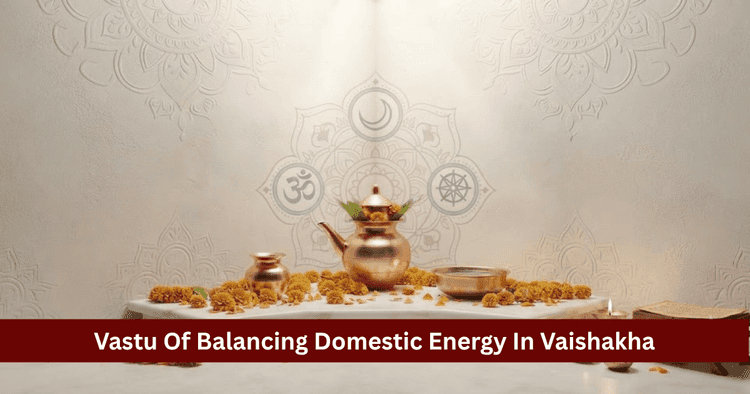
Table of Contents
Panchang Description And The Astrological Dimensions Of Vaishakha Vastu Science
Within classical architectural traditions, the Vishvakarma Prakasha, the Samarangana Sutradhara and canonical liturgical directives of the Skanda Purana, the sacred lunar month of Vaishakha is celebrated not merely as a season of religious vows but as a critical energetic junction for balancing structural bio-energy within human dwellings. Vaishakha marks the transit of Lord Surya Deva through his sign of deep exaltation in cardinal fiery Aries (Mesha). Aries is an intense fire sign governed by the cosmic commander Mars (Mangala). This celestial convergence amplifies thermal radiation across the terrestrial plane, subjecting buildings and their occupants to intense heat.
From an astronomical and Vastu perspective, this seasonal shift causes a sharp expansion of the Fire Element (Tejas Tattva) within residential and commercial structures, accompanied by a rapid depletion of the Water Element (Apas Tattva). Direct, intense solar radiation heats roofs, external walls and indoor air channels. If the subtle energy grid of a dwelling is not balanced during this period, occupants often experience irritability, mental fatigue, elevated blood pressure, restless sleep and domestic arguments. In classical Vastu Shastra, the North-East quadrant (Ishanya Kona) is revered as the sacred sanctum of the home, through which beneficial cosmic and geomagnetic forces enter. Placing consecrated cool water vessels adorned with fresh petals in the North-East and sprinkling ambient water across the main threshold pacifies structural heat, restoring emotional composure and domestic harmony.
| Vastu & Astrological Factor | Classical, Astrological and Environmental Detail |
|---|---|
| Prescribed Timeframe | Throughout Vaishakha (Pratipada to Purnima) | Morning & Twilight |
| Solar Celestial Alignment | Sun exalted in Aries (Fiery cardinal transit generating extreme heat) |
| Primary Affected Quadrants | South-East (Agneya - Peak Thermal Heat) & North-East (Ishanya - Water Balance) |
| Presiding Rulers of Ishanya | Lord Sadashiva (Lord Shiva) and Jupiter (Brihaspati) |
| Primary Balancing Implements | Fresh terracotta urn or broad brass/bronze vessel (Uruli), fragrant blossoms |
| Elemental Restitution | Restoring the Water Element (Apas) to soften excess Fire (Tejas) |
| Core Daily Disciplines | Threshold water libations, sacred symbols, North-East water placement |
| Pacified Vastu Afflictions | Soothes the crown of the Vastu Purusha, relieves domestic strife, aids sleep |
| Bestowed Spiritual Fruit | Steady flow of vital life-force (Prana), cognitive calm, household stability |
To balance structural energy and welcome peaceful influences into the home during Vaishakha, an aspirant should observe disciplined daily habits from dawn:
- Awaken before sunrise during Brahma Muhurta, opening the main entrance and gently sprinkling cool, ambient water across both sides of the outer threshold.
- Draw an auspicious mark using turmeric, sandalwood or vermilion on either side of the entrance frame to maintain an uplifting atmosphere.
- Thoroughly clean the North-East quadrant (Ishanya Kona) of the home, removing heavy clutter, metal waste and broken items.
- Take a fresh, unglazed earthenware pitcher or a broad, clean brass or bronze vessel (Uruli), filling it with cool spring water consecrated with a few drops of Ganga water.
- Float fresh fragrant flower petals (rose, jasmine or marigold) across the surface, adding a drop of steam-distilled vetiver (khus) or white sandalwood paste.
- Place this vessel upon a clean, low wooden stool in the North-East quadrant, refreshing the water each morning by pouring the old water around garden plants.
- Ensure the South-East quadrant (kitchen and electrical hubs) remains clean, well-ventilated and free from unnecessary red clutter.
- Kindle natural incense made of pure camphor, vetiver or frankincense at twilight in the central courtyard (Brahmasthana) and North-East to cleanse indoor air.
- Cultivate calm speech and considerate interactions among family members, avoiding unnecessary arguments during warm afternoons.
The Biophysics Of Ishanya Kona: The Crown Of The Vastu Purusha
In the foundational verses of the Vishvakarma Prakasha, every physical home is understood to mirror the subtle form of the Vastu Purusha, lying in a grounded posture across the structural grid:
1. The Head of the Cosmic Being and Thermal Sensitivity
- The head of the Vastu Purusha rests precisely within the North-East quadrant (Ishanya Kona), while his feet extend toward the South-West (Nairritya).
- Just as an individual becomes irritable and disoriented when their head is exposed to intense, unshaded heat, a home where the North-East quadrant becomes baked or cluttered generates subtle restlessness throughout the building.
- Ishanya is governed jointly by Lord Shiva and Jupiter (Brihaspati). Lord Shiva wears the cool, flowing Ganga and the crescent moon upon his brow to balance heat.
- Placing a vessel of cool water and fresh petals in the North-East symbolically cools the crown of the Vastu Purusha, allowing beneficial energetic currents to circulate smoothly through the entire home.
| Compass Quadrant | Presiding Ruler & Planet | Elemental Affinity | Recommended Summer Adjustment in Vaishakha |
|---|---|---|---|
| North-East (Ishanya) | Lord Shiva | Jupiter (Brihaspati) | Water & Space (Apas & Akasha) | Cool water vessel, fresh petals, white sandalwood |
| South-East (Agneya) | Lord Agni | Venus (Shukra) | Fire Element (Tejas) | Maximize airflow, clear clutter, monitor kitchen heat |
| North-West (Vayavya) | Lord Vayu | The Moon (Chandra) | Air Element (Vayu) | Suspend terracotta bird-water bowls; maintain cleanliness |
| South-West (Nairritya) | Nirriti | Rahu | Earth Element (Prithvi) | Keep grounded and stable; close sun-facing blinds |
Five Practical Vastu Adjustments For Harmony In Vaishakha
To maintain a serene, welcoming domestic atmosphere during the intense summer heat, classical manuals recommend five simple adjustments:
1. Daily Morning Cleansing of the Main Threshold
- At sunrise, sprinkle a small copper cup of cool water across the outer doorway threshold.
- This simple action settles dust and clears stagnant overnight air. Traditional texts note that a clean, cool entryway invites peaceful, supportive influences into the home.
2. Installing an Uruli in the North-East Quadrant
- Fill a wide brass, bronze or terracotta bowl (Uruli) with clean water, floating fresh rose or jasmine petals on top with a trace of crushed camphor.
- Place it in the North-East corner of the living room or domestic prayer space. As the water gently evaporates, it releases natural moisture and pleasant aromas into the surrounding air, helping soften indoor dryness.
3. Placing Bird Water Bowls on Balconies and Rooftops
- Hang porous earthenware saucers filled with clean water along the North-West and eastern sides of balconies or rooftop terraces.
- As wild birds visit to drink and rest, their presence brings natural vitality to the home, helping ground restless environmental energy.
4. Keeping the Central Space (Brahmasthana) Open and Light
- The center of the home is the realm of Lord Brahma, representing the structural core. During summer, keep this space open, clean and free of heavy storage boxes.
- Burning natural sandalwood or vetiver incense here in the evening refreshes indoor air after a long, warm day.
5. Using Cooling Colors in the Bedroom
- Avoid deep crimson, bright orange and heavy, dark fabrics in sleeping areas during peak summer.
- Opt for breathable cotton bedding in soft white, pale blue or gentle sage green. These soothing colors calm the nervous system, encouraging restful sleep.
| Vastu Vulnerability | Common Household Friction | Recommended Adjustment |
|---|---|---|
| Cluttered North-East Corner | Indecisiveness, mental fatigue, tension | Clean space; install a cool water vessel with petals |
| Dry, Unswept Main Threshold | Lingering financial stress, fatigue | Sprinkle cool water each morning; keep entrance clear |
| Overheated Central Space | Restlessness, family friction | Keep center open and clear; burn natural vetiver incense |
Astrological Analysis: Balancing Planetary Influences Through Space
In predictive Vedic astrology, spatial arrangements closely mirror planetary energies within a personal chart:
1. Strengthening Jupiter and the Moon
- Placing water in the North-East balances Jupiter (governing discernment) and the Moon (governing emotional composure). In homes where students struggle to concentrate or family members feel anxious, this adjustment supports calm focus.
2. Soothing Sun-Mars Thermodynamic Heat
- Excessive heat in the home mirrors difficult aspects between the Sun and Mars (Angaraka Dosha). Balancing the water element in key areas tempers this intense heat, supporting patience, gentle communication and mutual consideration.
Philosophical Essence: The Home As A Living Sanctuary
Vastu Shastra offers an enduring insight into conscious living:
"A home is not merely an assembly of brick and concrete; it is a living field of energy that shapes our thoughts, health and daily peace."
External circumstances may bring demanding responsibilities, intense heat and sensory noise. But when the domestic space is tended with care-kept cool, clean and calm-the home becomes an oasis of renewal.
The bowl of water resting quietly in the North-East corner reminds us that clarity, wisdom and peace flourish where the mind remains cool, patient and grounded in truth.
During this sacred month of Vaishakha, let us tend our living spaces with mindfulness. Let us clear unnecessary clutter, place cool water in the North-East, refresh our entryways with care and transform our homes into peaceful sanctuaries of light and goodwill.
FAQ
Why is placing water in the North-East (Ishanya) considered so beneficial in Vaishakha?
Because the North-East corresponds to the crown of the Vastu Purusha and is governed by Lord Shiva; placing cool water there during peak summer soothes environmental heat, restoring balance throughout the home.
What kind of vessel is best for holding water in the North-East?
A fresh unglazed earthenware urn or a wide brass/bronze bowl (Uruli) is ideal, as it supports natural cooling and evaporative freshness.
What is the benefit of sprinkling water at the main entrance each morning?
Sprinkling clean water across the threshold clears stagnant overnight air, settles dust and creates a welcoming, serene entryway for the day ahead.
Which colors are recommended for bedrooms during the heat of Vaishakha?
Light, breathable shades such as soft white, pale sky blue and light sage green help soothe the visual senses and encourage sound sleep.
How often should the water in the North-East vessel be changed?
The water should be changed daily every morning, offering the old water to outdoor plants and refilling the vessel with clean, cool water and fresh petals.
Get your accurate Kundali
Generate KundaliDid you like it?
Author

Pt. Abhishek Sharma (63)
Experience: 20
Consults About: Family Planning, Career
Clients In: Punjab, Haryana, Delhi
Share this article with friends and family
WELCOME TO
ZODIAQ
Right Decisions at the right time with ZODIAQ
