Naga Panchami and Stories of Naga Worship - Origin, Milk Offering Tradition and the Secret of Protection
By Pt. Nilesh Sharma
Detailed exploration of the origins of Naga Panchami, India’s tradition of milk offerings and the inspiring protection stories associated.
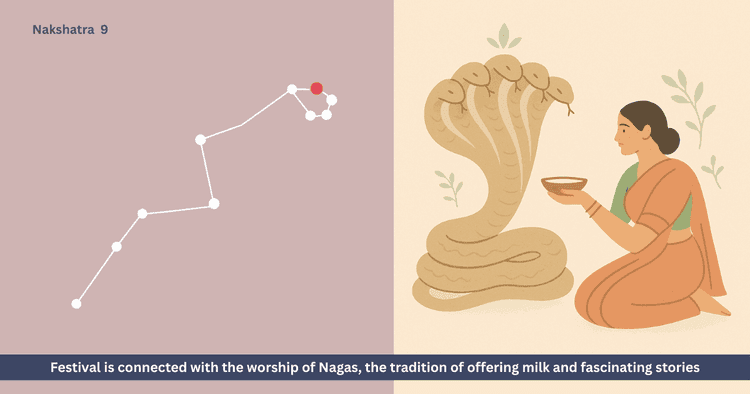
Table of Contents
Nag Panchami is a festival that expresses reverence for nature, compassion for living beings and awareness of balance. It is celebrated on the fifth day of the bright fortnight of the month of Shravan. Devotees worship the serpent deities and pray for harmony, health, prosperity and protection. The roots of this festival lie in ancient stories that reveal the delicate relationship between humans and the forces of nature.
Origins of Nag Panchami and the stories associated with it
The festival carries a rich heritage of tales that reflect justice, forgiveness, patience and the power of compassion.
The serpent sacrifice in the Mahabharata and the arrival of Sage Astika
During the age of the Mahabharata King Parikshit died due to the bite of the Naga Takshaka. His son Janamejaya, overcome by sorrow and anger performed a grand serpent sacrifice. Countless Nagas were drawn toward the sacred fire through the power of mantras and their existence was in danger.
At this moment Sage Astika reached the sacrificial hall. Born to a Brahmin mother and a Naga father he held affection for both communities. He explained to Janamejaya that revenge never creates balance. His wise and gentle words softened Janamejaya’s heart and the sacrifice came to an end. This day is believed to have been the fifth day of the bright fortnight which is why Nag Panchami is observed on this date.
The story of the farmer and the serpent mother
A widely known folk tale speaks of a farmer whose plow accidentally killed the young ones of a serpent mother. She bit the farmer and his son in anger. When the farmer’s daughter placed a bowl of milk before the serpent and asked for forgiveness the serpent felt compassion and restored their lives. Milk in this story becomes a symbol of coolness and mercy. This incident too is linked to the fifth day of the bright fortnight.
The tale of the younger daughter in law and the serpent brother
Another story tells of a young woman who saved a serpent while digging soil. The serpent accepted her as his sister and guarded her in all difficulties. She began worshipping the serpent on Nag Panchami and the practice slowly expanded among women who started honoring the Nagas as protectors.
The custom of offering milk to the Nagas and its deeper significance
Offering milk on Nag Panchami is a tradition rooted in respect rather than feeding. The scriptures do not describe giving milk to serpents. Instead they mention bathing the deity symbolically with milk. Milk represents purity, quietness and peace. Through this act devotees express gratitude toward the natural energy that the Nagas embody.
At the entrance of homes people draw serpent images. They offer milk, rice flowers, fruits and sweets. Many chant the names of the eight principal Nagas and seek protection.
The eight Nagas remembered on Nag Panchami
Vasuki
Takshaka
Kaliya
Manibhadra
Airavata
Dhritarashtra
Karkotaka
Dhananjaya
These names are invoked as symbols of safety and courage.
Stories of protection and their inner meaning
Astika’s intervention during the serpent sacrifice became a spiritual reminder that all life deserves compassion. The Bhavishya Purana states that worshipping the Nagas on this day removes fear of serpents. The festival inspires people to avoid harming any creature and to preserve ecological balance. Nag Panchami celebrates the sacred promise of protection.
Traditional method of worship on Nag Panchami
Take a bath before sunrise and wear clean clothes.
Create a serpent image at the doorway or place a picture of the deity.
Offer a symbolic bath to the serpent deity with water and milk.
Offer sandalwood flowers, incense fruits and sweets.
Listen to the story of Nag Panchami and pray for safety.
Observe a fast and take a vow not to harm any creature.
Naglok and Origin of Nagas - Secrets, Power and Cultural Heritage
Summary Table
| Topic | Description |
|---|---|
| Festival | Nag Panchami, Shravan Shukla Panchami |
| Worship | Serpent deity, milk bath, prayer for protection |
| Main Stories | Serpent sacrifice, farmer and serpent mother, younger daughter-in-law and serpent brother |
| Tradition | Milk offering, serpent symbol at the door, seeking protection |
| Protection | Names of eight principal Nagas, removal of fear |
The inner message of Nag Panchami
Nag Panchami teaches that harmony is possible only when compassion guides our actions. The festival honors the forces of nature that sustain existence. It reminds humanity that true wellbeing arises from respect, patience and balance. When nature is honored life becomes peaceful and prosperous.
FAQs
When is Nag Panchami celebrated
It is observed on the fifth day of the bright fortnight of Shravan.
What is the main story associated with this festival
The central narrative is the serpent sacrifice and the protection granted by Sage Astika.
What is the deeper meaning of offering milk
It is a symbolic gesture of purity, peace and respect rather than feeding.
Why are eight Nagas invoked during the worship
Their names represent safety, courage and freedom from fear.
What is the spiritual message of Nag Panchami
It teaches balance, harmony and compassion toward all living beings.
What does Nakshatra reveal about me?
My NakshatraDid you like it?
Author

Pt. Nilesh Sharma (63)
Experience: 20
Consults About: Family Planning, Career
Clients In: Punjab, Haryana, Delhi
Explore Related Articles
Explore All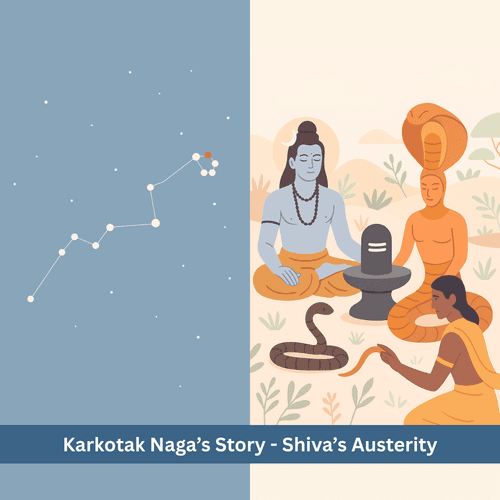
The Story of Karkotak Naga - Shiva’s Austerity, Karkoteshwar Shiva Lingam and the Mystery of King Nal
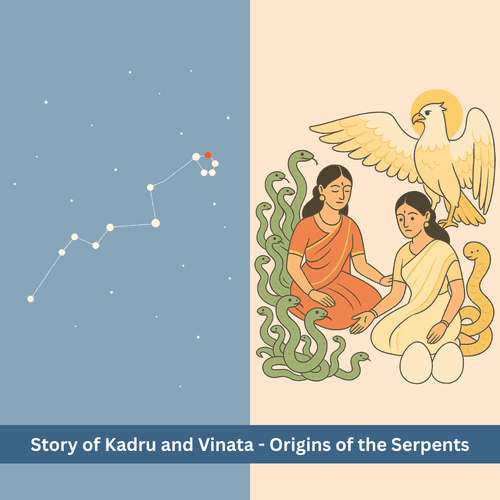
The Story of Kadru and Vinata - Origin of the Serpents and the Enmity Between Garuda and the Nagas
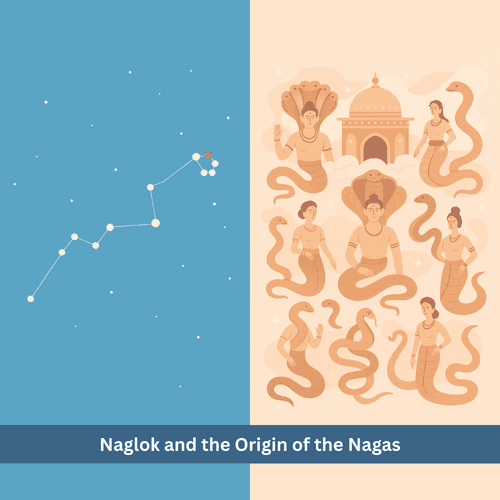
Naglok and Origin of Nagas - Secrets, Power and Cultural Heritage
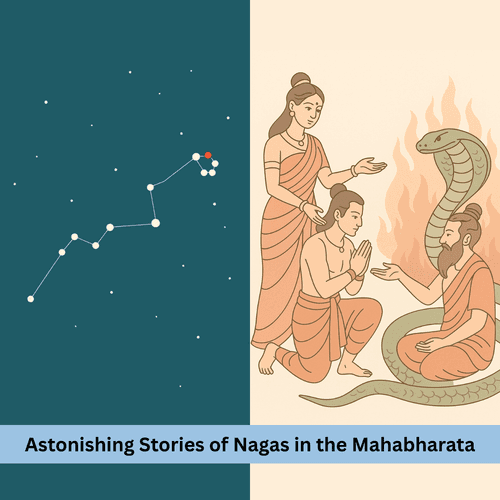
Astonishing Naga Stories in Mahabharata - Ulupi, Arjuna and the Secret of the Serpent Sacrifice
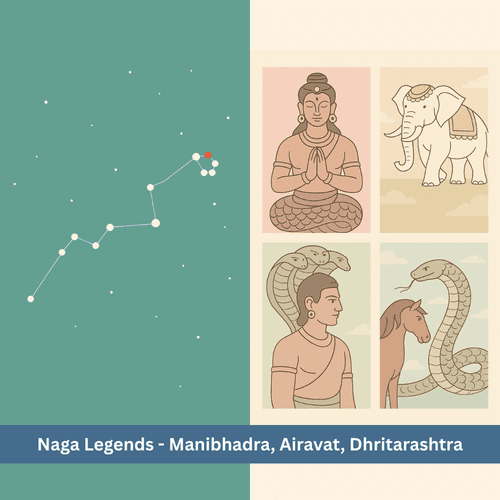
Other Famous Naga Legends - Manibhadra, Airavat, Dhritarashtra, Dhananjay and Kadru’s Curse
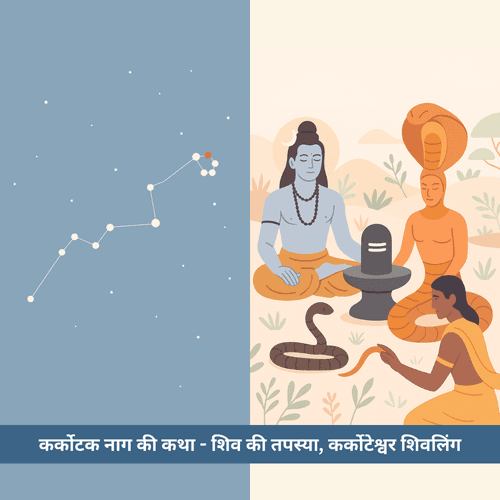
कर्कोटक नाग की कथा - शिव की तपस्या, कर्कोटेश्वर शिवलिंग और राजा नल का रहस्य
Share this article with friends and family
About ZODIAQ
ZODIAQ is an online Vedic Astrology platform. It connects clients seeking astrological advice to experienced astrologers with deep knowledge. Our users also generate kundali and perform kundali milan for free. ZODIAQ also offers services to the Astrologers. Astrologers utilize various offerings by ZODIAQ to serve their clients effectively.
If you are a User
Consult with experienced astrologers and seek their guidance. You can also order handwritten Janm Patrika report with life prediction prepared by experienced astrologers. Generate accurate Kundali, perform Kundali Matching and check horoscope and muhurat. Utilize our online library for all the necessary astrological and spiritual information.
If you are an Astrologer
Create accurate kundali for your clients and perform Kundali Matching for up to 5 people at a time. Write comprehensive Janm Patrika report for your clients with ZODIAQ. Check client details anytime by saving it in client directory. Become more productive by tracking how many clients you guide every day.
WELCOME TO
ZODIAQ
Right Decisions at the right time with ZODIAQ
