The Story of Kadru and Vinata - Origin of the Serpents and the Enmity Between Garuda and the Nagas
By Pt. Abhishek Sharma
Discover the tale of Kadru and Vinata, the birth of the serpents and the deeper meaning behind the rivalry with Garuda.
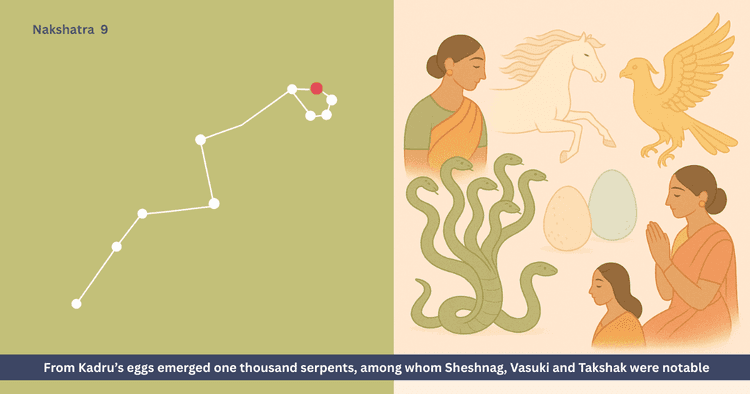
Table of Contents
In the Puranas and the Mahabharata, the story of Kadru and Vinata is one of the most significant narratives. It explains the origin of serpents and Garuda, while also revealing deeper lessons about deception, devotion, patience and liberation.
Kadru and Vinata: Desires of the Two Sisters
Kadru and Vinata were daughters of Prajapati Daksha and wives of Sage Kashyapa.
Pleased with them, Kashyapa offered each a boon.
Kadru asked to become the mother of a thousand powerful serpents.
Vinata asked for two radiant and mighty sons.
Kadru’s eggs eventually produced a thousand serpents including Shesha, Vasuki, Takshaka and others.
Vinata’s eggs later produced Aruna and Garuda.
The Wager and Deception Leading to Vinata’s Bondage
One day the sisters saw the divine horse Uchchaihshrava.
Kadru claimed its tail was black while Vinata insisted it was completely white.
They agreed that the loser would become the servant of the other.
Kadru instructed her serpent sons to cling to the horse’s tail so it would appear black.
Some serpents refused and were cursed that they would perish in a future serpent sacrifice.
When they saw the horse the next day the tail appeared black, causing Vinata to lose and become Kadru’s servant.
Garuda’s Quest to Free His Mother
To release Vinata from servitude, Kadru demanded that the pot of nectar be brought from the celestial realm.
Garuda vowed to free his mother and fought the gods for the nectar.
He brought the pot to the Nagas but did not allow them to drink it.
Indra later took the nectar back.
Impressed by Garuda’s devotion and power, Vishnu made him his divine mount.
The Nagas were destined to become Garuda’s food, which marked the beginning of their enmity.
The Origin of Nagas and the Enmity with Garuda
Among Kadru’s thousand sons were Shesha, Vasuki, Takshaka, Karkotaka, Kaliya and others who inhabit the earth and netherworlds.
The deception of Kadru and the event of the nectar led to the natural enmity between serpents and Garuda.
The split tongue of serpents also originates from this story because they licked the kusa grass where nectar had once been placed.
Summary Table
| Character | Role / Event | Message |
|---|---|---|
| Kadru | Mother of serpents, deception, curse | Ambition, deceit, outcome |
| Vinata | Mother of Garuda, patience, bondage | Truth, endurance, freedom |
| Garuda | Bringer of nectar, mount of Vishnu | Devotion, courage, liberation |
| Serpents | Origin, curse, enmity | Strength, existence, conflict |
Naglok and Origin of Nagas - Secrets, Power and Cultural Heritage
Deeper Teachings
Ambition and Deception
Kadru’s deception teaches that falsehood brings conflict and sorrow.
Patience and Devotion
Vinata’s patience and Garuda’s devotion show that sincerity leads to liberation.
Enmity and Balance
The natural enmity between Garuda and the serpents symbolizes cosmic balance, survival and power.
FAQs
1. How did enmity arise between Kadru and Vinata?
The dispute over Uchchaihshrava’s tail, and Kadru’s deception, led Vinata into servitude and began the conflict.
2. Why did Garuda seek the nectar?
He did so to free his mother Vinata from bondage.
3. Why did Indra take the nectar back?
Garuda did not allow the serpents to drink it, giving Indra the opportunity to reclaim it.
4. Why do serpents have forked tongues?
Their tongues split after they licked the kusa grass where nectar once rested.
5. Why did serpents become Garuda’s natural enemies?
Because of the divine decree that serpents would become Garuda’s food, rooted in the events of this story.
What does Nakshatra reveal about me?
My NakshatraDid you like it?
Author

Pt. Abhishek Sharma (63)
Experience: 20
Consults About: Family Planning, Career
Clients In: Punjab, Haryana, Delhi
Explore Related Articles
Explore All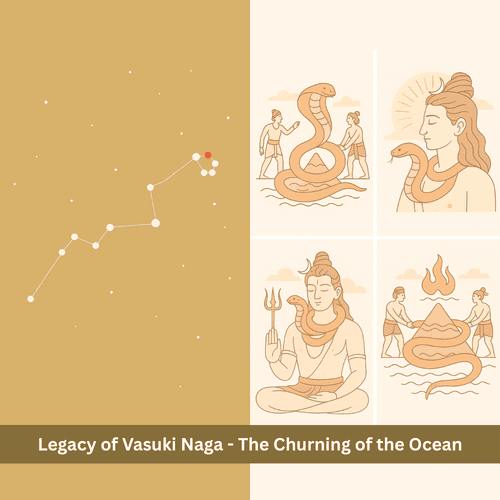
The Story of Vasuki Naga - Churning of the Ocean, Shiva’s Ornament and Eternal Example of Devotion
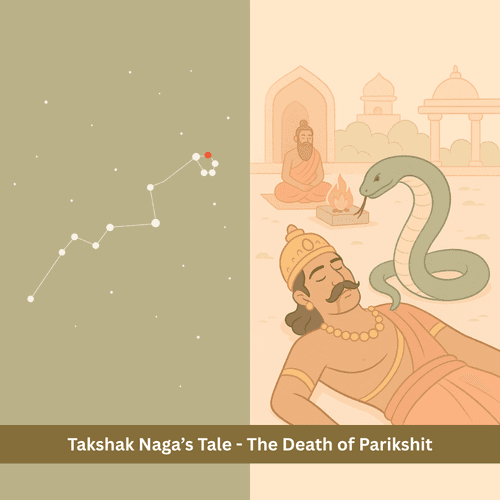
The Story of Takshak Naga - Parikshit’s Death, The Serpent Sacrifice and Astik Muni’s Compassion
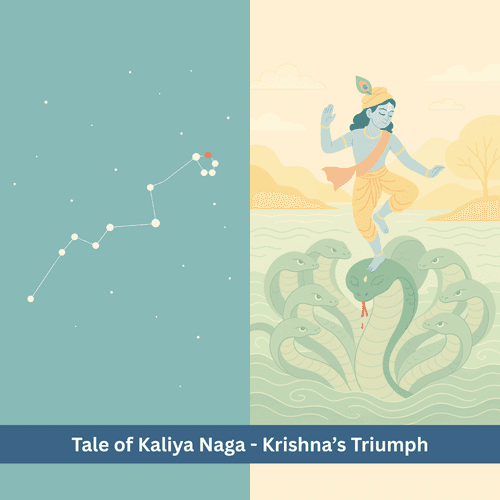
The Tale of Kaliya Naga - Krishna’s Triumph and the Purification of Yamuna
The Story of Karkotak Naga - Shiva’s Austerity, Karkoteshwar Shiva Lingam and the Mystery of King Nal
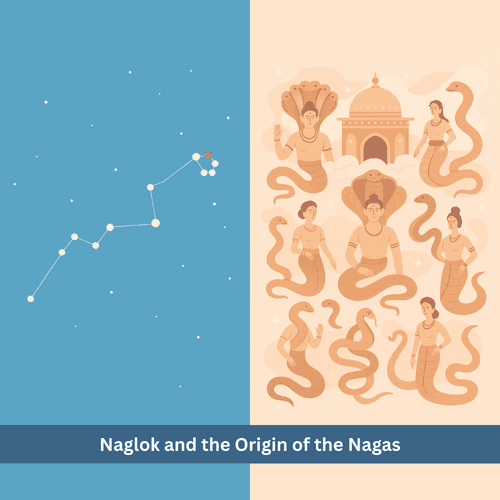
Naglok and Origin of Nagas - Secrets, Power and Cultural Heritage
कालिया नाग की कथा - श्रीकृष्ण के द्वारा दमन और यमुना का शुद्धिकरण
Share this article with friends and family
About ZODIAQ
ZODIAQ is an online Vedic Astrology platform. It connects clients seeking astrological advice to experienced astrologers with deep knowledge. Our users also generate kundali and perform kundali milan for free. ZODIAQ also offers services to the Astrologers. Astrologers utilize various offerings by ZODIAQ to serve their clients effectively.
If you are a User
Consult with experienced astrologers and seek their guidance. You can also order handwritten Janm Patrika report with life prediction prepared by experienced astrologers. Generate accurate Kundali, perform Kundali Matching and check horoscope and muhurat. Utilize our online library for all the necessary astrological and spiritual information.
If you are an Astrologer
Create accurate kundali for your clients and perform Kundali Matching for up to 5 people at a time. Write comprehensive Janm Patrika report for your clients with ZODIAQ. Check client details anytime by saving it in client directory. Become more productive by tracking how many clients you guide every day.
WELCOME TO
ZODIAQ
Right Decisions at the right time with ZODIAQ
