Other Famous Naga Legends - Manibhadra, Airavat, Dhritarashtra, Dhananjay and Kadru’s Curse
By Pt. Sanjeev Sharma
Explore prominent Naga legends carrying messages of life, dharma, strength and the significance of Kadru’s curse and Brahma’s boon.
Table of Contents
In the Indian tradition the stories of the Nagas are woven with themes of power, compassion, protection and deep wisdom. Beyond the well known Nagas such as Shesha Vasuki and Takshaka the scriptures and folk narratives preserve accounts of many other Nagas whose stories reveal the subtle connection between nature and human life. Among them the tales of Manibhadra Airavata Dhritarashtra and Dhananjaya hold a significant place. The story of Kadru’s curse and the blessing of Brahma adds profound spiritual meaning to this heritage.
The story of Manibhadra and the devotion of the people of Ujjain
Manibhadra is regarded as the protector of Nagas and a benevolent guardian deity. According to tradition he presided over the region near Ujjain. It is said that a severe epidemic once spread through the city. The people prayed to Manibhadra and offered milk, rice flowers and fruits. Their faith pleased him and the entire city was freed from the crisis. Since then Manibhadra has been worshipped as a symbol of safety, wellbeing and relief from fear.
The story of Airavata and the divine secret of rain
Airavata emerged during the churning of the ocean. His appearance is described as bright white grand and majestic. Airavata had four tusks and was accepted by Indra as his divine mount. A tradition states that when Airavata released streams of amrita from his trunk, vitality and abundance increased in the heavenly realms. Airavata is honored as a powerful Naga and devotees worship him for strength, prosperity and rainfall.
The story of Dhritarashtra and the protection of dharma
Dhritarashtra Naga was born to Kadru and Kashyapa. In the Mahabharata he is portrayed as a wise and steady guardian of the Naga lineage. He possessed great strength and deep commitment to dharma. During the serpent sacrifice Dhritarashtra prayed to Sage Astika for the protection of the Nagas. Astika’s intervention and Janamejaya’s decision saved countless Nagas. Dhritarashtra’s story teaches that the foundation of protection lies in patience and righteousness.
The story of Dhananjaya and the importance of knowledge
Dhananjaya Naga, also a son of Kadru is known for intelligence, mystical knowledge and protective power. As a guardian of Nagaloka he is remembered for sustaining balance. On the festival of Nag Panchami devotees worship Dhananjaya seeking prosperity, safety and fearlessness. His story shows that wisdom and service elevate life and create harmony.
Kadru’s curse and its deeper meaning
Kadru the mother of the Nagas once entered into a dispute with her sister Vinata regarding the tail of the divine horse Uchhaishrava. Kadru wished to win the argument through deception and instructed her Naga sons to make the tail appear dark. Some Nagas refused to commit deception. Angered by their refusal Kadru cursed them and declared that they would be destroyed in a future serpent sacrifice. This curse reveals the suffering caused by falsehood and wrongdoing.
The blessing of Brahma and the protection of the Nagas
The Nagas, distressed by the curse, prayed to Brahma. Brahma blessed them and assured that those who follow the path of truth and compassion would remain protected. He inspired Sage Astika to safeguard the Nagas in the time of danger. Later Astika’s efforts brought the serpent sacrifice to an end and the Nagas received freedom from fear. This story teaches that righteousness and compassion always lead to protection.
The Story of Kadru and Vinata - Origin of the Serpents and the Enmity Between Garuda and the Nagas
Summary Table
| Naga or Character | Story or Event | Message or Significance |
|---|---|---|
| Manibhadra | Saved Ujjain from an epidemic | Protection, wellbeing, guidance |
| Airavata | Born from the churning of the ocean | Strength, prosperity, rain |
| Dhritarashtra | Protected the Nagas during the sacrifice | Patience, balance, dharma |
| Dhananjaya | Guardian of Nagaloka | Knowledge, safety, service |
| Curse of Kadru | Nagas destined for destruction | Deception, consequences |
| Blessing of Brahma | Protection for righteous Nagas | Compassion, spiritual safety |
The deeper message within these stories
Each Naga story embodies a guiding principle for life. Manibhadra represents protection, Airavata represents abundance, Dhritarashtra represents dharma and Dhananjaya represents wisdom. The story of Kadru’s curse and Brahma’s blessing reveals that deceit brings destruction while truth and compassion lead to liberation. These narratives remind humanity that harmony and moral strength create a life filled with courage and peace.
FAQs
Why is Manibhadra considered a guardian deity
He is known for protecting the people of Ujjain and freeing them from an epidemic.
How did Airavata become the mount of Indra
He emerged from the churning of the ocean and was accepted by Indra due to his divine strength.
What qualities are associated with Dhritarashtra Naga
He is known for steadiness, patience and deep commitment to dharma.
Why is Dhananjaya worshipped
Devotees worship him for prosperity, knowledge and protection.
What is the central meaning of Kadru’s curse and Brahma’s blessing
The stories show that deception leads to destruction while righteousness ensures safety and wellbeing.
What does Nakshatra reveal about me?
My NakshatraDid you like it?
Author

Pt. Sanjeev Sharma (63)
Experience: 20
Consults About: Family Planning, Career
Clients In: Punjab, Haryana, Delhi
Explore Related Articles
Explore All
Ashlesha Nakshatra - The Star of Insight Power and Self-Transformation
Ashlesha Nakshatra’s Four Padas - Depth Insight and Life Influences

Ashlesha Nakshatra’s Four Padas: Hidden Cues for Personality and Career
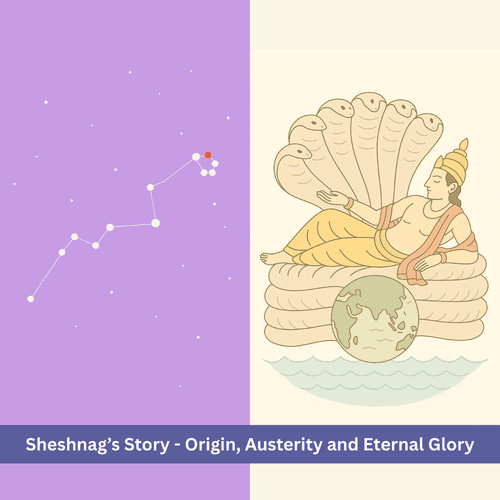
The Story of Sheshnag - Origin, Austerity and Eternal Glory
The Story of Vasuki Naga - Churning of the Ocean, Shiva’s Ornament and Eternal Example of Devotion
अश्लेषा नक्षत्र - रहस्य, शक्ति और आत्म-परिवर्तन का नक्षत्र
Share this article with friends and family
About ZODIAQ
ZODIAQ is an online Vedic Astrology platform. It connects clients seeking astrological advice to experienced astrologers with deep knowledge. Our users also generate kundali and perform kundali milan for free. ZODIAQ also offers services to the Astrologers. Astrologers utilize various offerings by ZODIAQ to serve their clients effectively.
If you are a User
Consult with experienced astrologers and seek their guidance. You can also order handwritten Janm Patrika report with life prediction prepared by experienced astrologers. Generate accurate Kundali, perform Kundali Matching and check horoscope and muhurat. Utilize our online library for all the necessary astrological and spiritual information.
If you are an Astrologer
Create accurate kundali for your clients and perform Kundali Matching for up to 5 people at a time. Write comprehensive Janm Patrika report for your clients with ZODIAQ. Check client details anytime by saving it in client directory. Become more productive by tracking how many clients you guide every day.
WELCOME TO
ZODIAQ
Right Decisions at the right time with ZODIAQ
