Nirjala Ekadashi 2025: The Most Rigorous and Auspicious Fasting Day of the Year
By Pt. Amitabh Sharma
Discover the significance, rituals, date and spiritual merits of Nirjala Ekadashi 2025-the ultimate fast in Vedic tradition
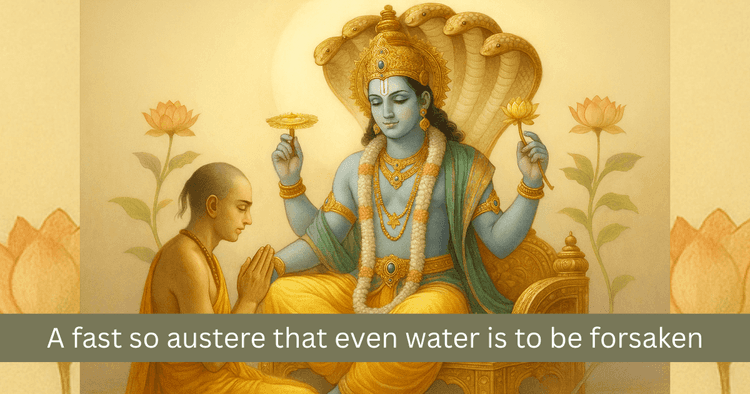
Table of Contents
Nirjala Ekadashi is regarded as the strictest and yet the most spiritually rewarding among all Ekadashi fasts in the Hindu calendar. It is observed by renouncing not only food but even water, which makes it a rare fusion of physical austerity and deep inner purification.
Why Nirjala Ekadashi Is So Significant
Within Sanatan Dharma, Ekadashi fasts are considered powerful vows dedicated to Lord Vishnu. Among these, Nirjala Ekadashi stands apart as the supreme observance. On this day devotees undertake a complete fast without food or water to seek divine grace, purification of past karmas and accelerated spiritual progress.
For those unable to keep all 24 or 26 Ekadashis in a year, the sincere observance of this one Nirjala Ekadashi is believed to grant the combined merit of all Ekadashi fasts. It is also said to support longevity, reduce the impact of adverse planetary influences and open the way for peace and spiritual growth.
Nirjala Ekadashi 2025: Dates And Timings
In 2025, Nirjala Ekadashi will be observed on two dates, one for Smarta followers and one for Vaishnavas.
- Smarta Nirjala Ekadashi: Friday, 6 June 2025
- Vaishnava Nirjala Ekadashi: Saturday, 7 June 2025
As per Drik Panchang:
- Ekadashi Tithi begins: 2:15 AM, 6 June 2025
- Ekadashi Tithi ends: 4:47 AM, 7 June 2025
- Hari Vasara (fast breaking threshold) ends: 11:25 AM, 7 June 2025
The total duration of strict fasting is about 32 hours and 21 minutes, from sunrise on Ekadashi until Parana on the following day.
Parana (Breaking Fast) Timings 2025
- Smarta Parana: 7 June 2025, between 1:44 PM and 4:31 PM
- Vaishnava Parana: 8 June 2025, between about 5:23 AM and 7:17 AM, depending on local calculations and Panchang used.
Panchang: The Foundation of Vedic Astrology and Its Role in Life
How To Observe Nirjala Ekadashi: Rituals And Discipline
Nirjala Ekadashi is a profound test of discipline and self-control. Devotees undertaking this vrat commit to abstain from all food and water for the entire observance, allowing only minimal water for ritual achaman.
Step-by-step Guidelines
- Wake up in Brahma Muhurta, bathe and wear fresh, sattvic clothing.
- Sit before an image or deity of Lord Vishnu or Lakshmi Narayana and take a firm sankalpa to observe Nirjala Ekadashi for spiritual upliftment and the Lord’s pleasure.
- Maintain a complete fast without food or drink, allowing only a small quantity of water for ritual sipping during achaman if needed.
- Spend the day in remembrance of Vishnu by chanting “Om Namo Bhagavate Vasudevaya”, reciting Vishnu Sahasranama, Bhagavad Gita or devotional hymns.
- In the evening, light a lamp, perform aarti, sing kirtan and engage in satsang or scriptural reading.
- On Dwadashi, after Hari Vasara ends, perform charity if possible then break the fast with water and simple food during the prescribed Parana time.
The Story Of Bhima And Nirjala Ekadashi
Nirjala Ekadashi is also called Bhimseni or Pandava Ekadashi because of its connection with Bhima, the mighty Pandava.
Bhima was famous for his enormous appetite and unlike his brothers, he felt unable to fast twice a month on every Ekadashi. He approached Sage Vedavyasa for guidance, explaining that the strong digestive fire within him made full day fasting impossible.
Vedavyasa then instructed him to observe just one supremely rigorous fast in the year, Nirjala Ekadashi, to be kept with total abstinence from both food and water. He assured Bhima that by sincerely observing this single waterless fast he would gain the spiritual merit of all 24 Ekadashis combined. Bhima accepted the challenge, completed the severe fast and was blessed with access to Vaikuntha, Lord Vishnu’s divine abode.
This narrative illustrates that even the strongest worldly impulses can be mastered when guided by truth, devotion and firm resolve.
Spiritual And Religious Benefits
- Destruction Of Sins: This fast is believed to burn the burden of accumulated karmas and protect the soul from fearful experiences at death.
- Attainment Of Higher Realms: Observing Nirjala Ekadashi with faith is said to grant passage toward Vaikuntha and freedom from repeated birth and death.
- Physical And Inner Purification: Enduring hunger and thirst with a peaceful mind trains the body, disciplines desires and sharpens patience and inner clarity.
- Power Of Charity: Donations of water, food, clothing or money made on this day are believed to yield multiplied results, especially giving water to the thirsty which is seen as highly meritorious.
Key Do’s And Don’ts During Fasting
- Do not drink water in the usual way; only limited water for achaman is allowed in the strict Nirjala observance.
- Avoid lies, harsh speech, anger, gossip and disputes; practice inner and outer silence as much as possible.
- Maintain brahmacharya and restraint of the senses throughout the fast.
- Staying awake at night for devotional practices like kirtan, japa or listening to katha further enhances the potency of the vrat.
Smarta And Vaishnava Nirjala Ekadashi: The Difference
When Ekadashi Tithi stretches across two civil days, Smarta and Vaishnava traditions may observe the fast on different dates.
- Smarta Nirjala Ekadashi: Generally observed by most householders and non-sectarian devotees on the first Ekadashi day according to sunrise.
- Vaishnava Nirjala Ekadashi: Followed by Vaishnava lineages like ISKCON and Sri Vaishnavas on the second day, ensuring that Ekadashi is fully present at sunrise and Parana occurs precisely within Dwadashi.
Householders who follow a Vaishnava sampradaya may choose the Vaishnava date but should then also honour the associated standards of purity, worship and dietary rules.
Inner Meaning: Renunciation, Tapasya And Fulfilment
Nirjala Ekadashi is much more than a calendar ritual, it is a journey into self-mastery, devotion and the soul’s longing for liberation. A devotee who offers this intense tapasya at the lotus feet of Lord Vishnu with sincerity moves forward swiftly on the path of dharma and experiences fresh inner strength and light.
The example of Bhima teaches that even heroes of outer strength must bow to spiritual discipline to taste true fulfilment. If someone as powerful and appetite-driven as Bhima could undertake such a fast and attain divine grace, the doorway to inner radiance and transformation remains open for every seeker willing to try.
FAQ
1.On which exact date should Nirjala Ekadashi be observed in 2025?
For most householders following Smarta traditions the fast will be on Friday, 6 June 2025, while Vaishnava devotees, especially those aligned with temples and mathas, will generally observe Nirjala Ekadashi on Saturday, 7 June 2025. One should follow the date recommended by their family tradition or guru.
2.Does Nirjala Ekadashi always require a complete waterless fast?
The classical definition of Nirjala involves giving up water as well as food for the duration of the fast, allowing only minimal water for achaman when needed for rituals. Any regular drinking of water changes the vow from Nirjala to a milder Ekadashi fast.
3.What if someone is ill, elderly or physically weak, can they still keep Nirjala Ekadashi?
Those with serious health conditions, advanced age, pregnancy or medical vulnerabilities should consult both a doctor and a spiritual guide, and may instead keep a lighter fast with fruits or only water, offering their limitations honestly to the Lord rather than forcing a harmful austerity.
4.Is it really true that one Nirjala Ekadashi equals all other Ekadashis of the year?
According to traditional narrations, a sincerely observed Nirjala Ekadashi is said to grant spiritual merit comparable to observing all 24 Ekadashi fasts of the year, especially for those who are unable to maintain each fortnightly observance.
5.Which mantras or texts are best to recite on this day?
The most common practices include chanting “Om Namo Bhagavate Vasudevaya”, reciting Vishnu Sahasranama, reading Bhagavad Gita or listening to stories of Lord Vishnu and the Pandavas, all of which deepen the devotional mood of the fast.
6.If one cannot manage a full 32-hour Nirjala fast, can a partial fast still be beneficial?
Yes, any sincere fasting according to one’s capacity, combined with prayer, charity and self-restraint, brings spiritual benefit, though it is clearly distinguished in merit from the complete Nirjala observance described in the scriptures.
7.Why is charity, especially giving water, emphasized so strongly on Nirjala Ekadashi?
Because the devotee voluntarily embraces thirst on this day, offering water, food or clothes to others becomes a powerful act of compassion and alignment with Lord Vishnu’s mercy, and is said to multiply the fruits of the fast many times over.
Get your accurate Kundali
Generate KundaliDid you like it?
Author
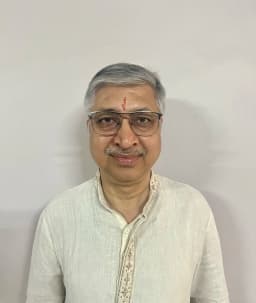
Pt. Amitabh Sharma (56 Years)
Experience: 20
Consults About: Family Planning, Career
Clients In: Punjab, Haryana, Delhi
Explore Related Articles
Explore All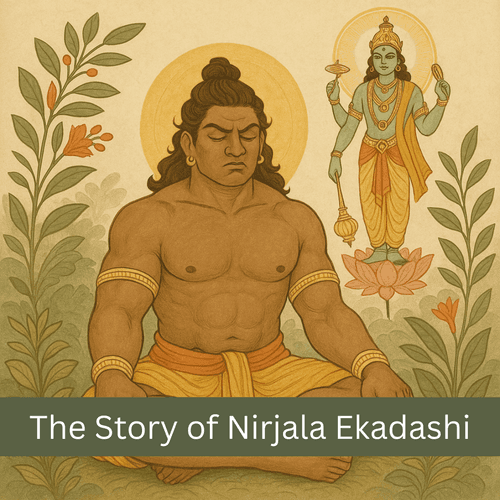
Nirjala Ekadashi Story: When Bhimasena Conquered Hunger and Attained Liberation
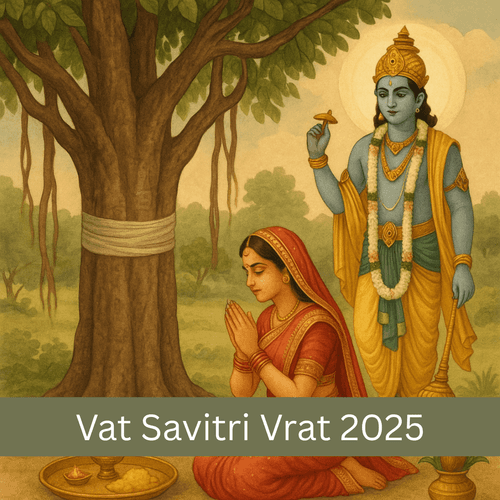
Vat Savitri Vrat 2025: Date, Rituals, Story and Significance
The Remarkable Story of Vat Savitri Vrat: When a Woman Reclaimed Life from Death
Vat Savitri Vrat Aarti: Auspicious Worship of Goddess Gauri for Unbroken Fortune
Somvati Amavasya 2025: A Sacred Occasion for Ancestral Grace, Inner Clarity and Shiva Devotion
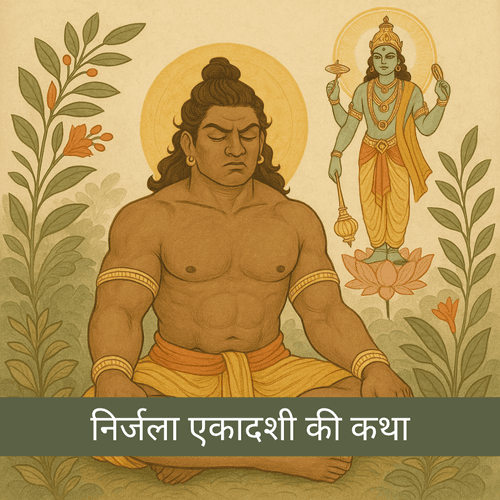
निर्जला एकादशी की कथा: भीमसेन की भूख और मोक्ष की यात्रा
Share this article with friends and family
About ZODIAQ
ZODIAQ is an online Vedic Astrology platform. It connects clients seeking astrological advice to experienced astrologers with deep knowledge. Our users also generate kundali and perform kundali milan for free. ZODIAQ also offers services to the Astrologers. Astrologers utilize various offerings by ZODIAQ to serve their clients effectively.
If you are a User
Consult with experienced astrologers and seek their guidance. You can also order handwritten Janm Patrika report with life prediction prepared by experienced astrologers. Generate accurate Kundali, perform Kundali Matching and check horoscope and muhurat. Utilize our online library for all the necessary astrological and spiritual information.
If you are an Astrologer
Create accurate kundali for your clients and perform Kundali Matching for up to 5 people at a time. Write comprehensive Janm Patrika report for your clients with ZODIAQ. Check client details anytime by saving it in client directory. Become more productive by tracking how many clients you guide every day.
WELCOME TO
ZODIAQ
Right Decisions at the right time with ZODIAQ
